
- Home
- content hub
- what is print marketing? A Practical Guide
what is print marketing? A Practical Guide
Emma Davis
Content Writer
Nov 23, 2025188 views

Print marketing is pretty simple: it’s using physical, printed media to reach your customers. But don’t let the simplicity fool you. In a world drowning in digital noise, tangible materials like brochures, business cards, and direct mail are making a huge comeback. They offer a real, physical connection that creates a lasting impression.
What Is Print Marketing in a Digital Age?
Let's get one thing straight—print marketing isn't some dusty relic from a bygone era. Think of it as a secret weapon for making a genuine, real-world connection.
If a digital ad is like a fleeting comment in a crowded, noisy online forum, a piece of print is like getting a personal, handwritten note. It's a physical object that demands attention, one that you can't just close with a click of a button.
The old "print is dead" myth completely misses the point of its modern role. Today, print is a critical piece of a smart marketing strategy, perfect for building the kind of trust and credibility that digital-only efforts struggle to achieve. It’s all about creating a memorable, sensory experience that works with your online presence, not against it.
The Core Idea Behind Modern Print
At its heart, modern print marketing is about playing to its unique strengths. It cuts through all the digital clutter to deliver a message people can actually hold in their hands. That physical interaction is powerful—it creates a much stronger cognitive and emotional connection to your brand.
Here’s what makes it work so well:
- Tangibility Builds Trust: A high-quality printed piece just feels more substantial and legitimate. That physical presence helps establish brand credibility in a way a pop-up ad never could.
- Higher Engagement: People are far less likely to be multitasking when they're looking at a physical item. This focused attention leads to better message retention and brand recall. One study even found that direct mail requires 21% less cognitive effort to process than digital media, which makes it stick in our brains longer.
- Pinpoint-Targeted Reach: Print lets you get super specific with geographic and demographic targeting. This is a game-changer for local businesses trying to connect with the people right in their own community.
The real magic of print marketing is its ability to become a physical anchor for your brand in a customer's life. A well-designed business card lives in a wallet, a brochure sits on a desk, and a postcard hangs on a fridge—each one serving as a constant, subtle reminder of who you are and what you do.
It’s Not Print vs. Digital
The smartest businesses don't see this as an either/or choice. They use print and digital together, creating a seamless experience for their customers.
A QR code on a flyer can send someone directly to a special landing page. A direct mail piece can promote an exclusive online-only sale. This kind of integration turns your marketing from separate channels into one cohesive conversation, guiding customers from a physical touchpoint to a digital action.
When you explore the huge world of customizable marketing materials, you can see just how many options there are to bridge that gap. Ultimately, print is the tangible invitation that leads people right to your brand’s digital doorstep.
Exploring the Core Channels of Print Marketing
The best way to really get what print marketing is all about is to see it in action. These channels are the real-world, tangible tools you use to build connections, whether it’s at that first handshake or long after the sale is complete. Each one has its own job, acting as a physical piece of your brand that people can actually hold and see.
Let's dive into some of the most powerful and popular print channels out there. Don’t think of them as just separate items, but as a complete toolkit for crafting a brand experience that sticks.
This diagram shows how print and digital marketing both aim to connect with an audience, but they take different paths to get there.

As you can see, while both are essential, print marketing relies on physical items that demand attention in the real world.
Print Marketing Channels at a Glance
To help you choose the right tool for the job, here’s a quick reference guide comparing common print channels. This table breaks down their primary use cases and who they're best suited for, making it easier to match a channel to your business goals.
| Channel | Primary Use Case | Target Audience | Key Benefit |
|---|---|---|---|
| Business Cards | Networking & brand recall | Professionals, leads, event attendees | A pocket-sized, personal reminder of a connection. |
| Direct Mail | Targeted outreach, promotions | Specific geographic or demographic segments | Cuts through digital noise to land directly in their hands. |
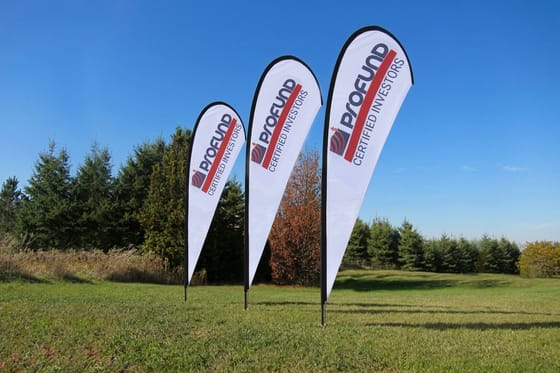
| Banners & Signage | Local visibility, event presence | Local residents, foot traffic, event-goers | High-impact visual landmark that builds local recognition. |
| Custom Packaging | Brand experience, customer loyalty | E-commerce customers, product buyers | Turns a simple delivery into a memorable unboxing event. |
Each channel offers a unique way to engage with your audience. The key is knowing when and how to deploy them to make the biggest impact.
Business Cards: The Pocket-Sized Ambassador
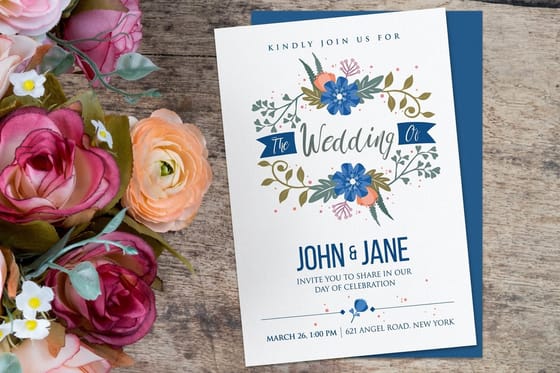
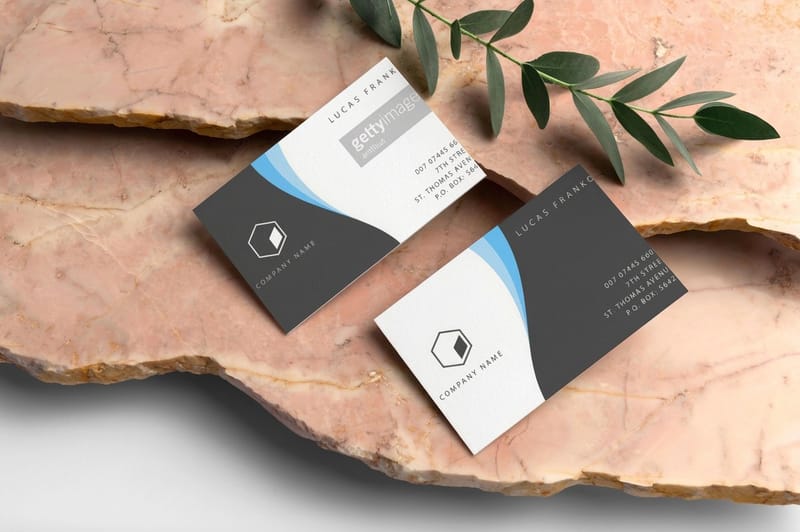
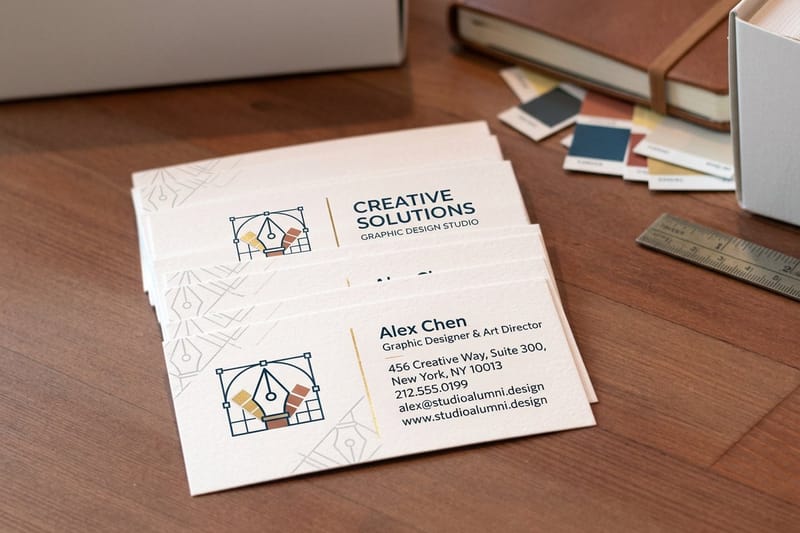
A business card is often the very first piece of your brand someone gets to take with them. It’s so much more than just a slip of paper with your contact info; it’s a physical token of a personal conversation. A well-designed, high-quality card feels solid in their hand, instantly signaling professionalism and an eye for detail.
They’re incredibly versatile, perfect for:
- Networking Events: The classic handshake-and-card exchange still works because it cements a personal connection.
- Retail Checkout Counters: An easy grab-and-go option that keeps your business top-of-mind for future needs.
- Included in Packaging: Tucking a card into a product shipment adds a personal touch and a direct line for repeat business.
Direct Mail: The Message in Their Hands
In an era of overflowing email inboxes and constant digital pings, a physical piece of mail really stands out. Direct mail marketing puts your message right into your target audience's hands, forcing a moment of consideration that digital ads rarely get. It requires a different kind of attention to sort and review, giving it a much better shot at being read and remembered.
The science backs this up. Studies have shown direct mail requires 21% less cognitive effort to process than digital media, which makes the message more memorable. For any business trying to make a genuine impact, that’s a massive advantage.
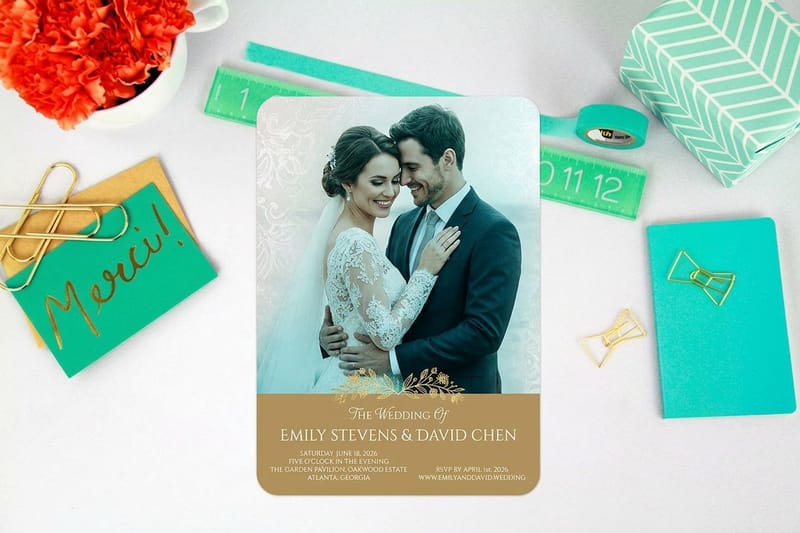
Direct mail isn't just about sending coupons. It's about delivering a targeted, tangible experience that interrupts the digital scroll. A well-designed postcard or brochure can feel like a personal invitation, not just another advertisement.
Banners and Signage: The Local Landmark
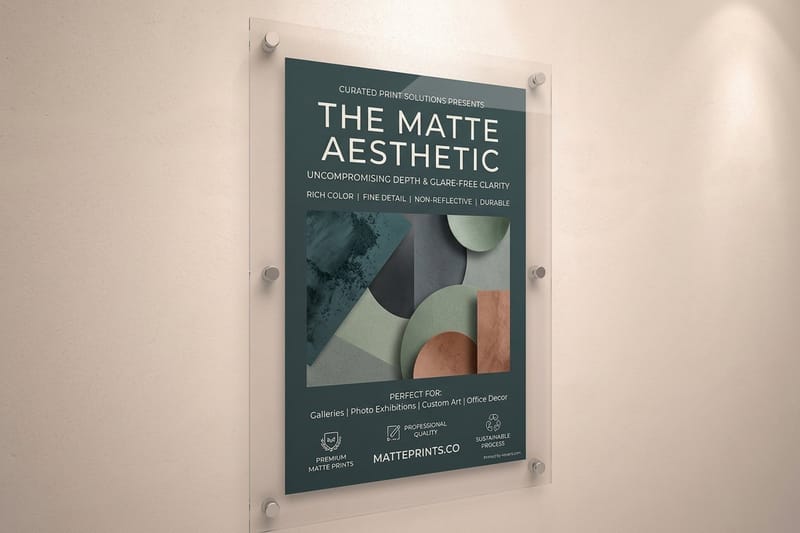
If you have a physical storefront or participate in local events, banners and signage are non-negotiable. They serve as high-visibility landmarks, grabbing attention from across the street or a crowded convention floor and guiding people right to you. This is print marketing that’s all about claiming physical space and building that crucial local brand recognition.
Think about the immediate impact of:
- Grand Opening Banners: A bold, impossible-to-miss announcement to the entire neighborhood that you've arrived.
- Trade Show Displays: An immersive brand environment that pulls attendees out of the aisle and into your world.
- In-Store Signage: The silent salesperson that guides customers, highlights promotions, and makes the shopping experience seamless.
Custom Packaging: The Unboxing Experience
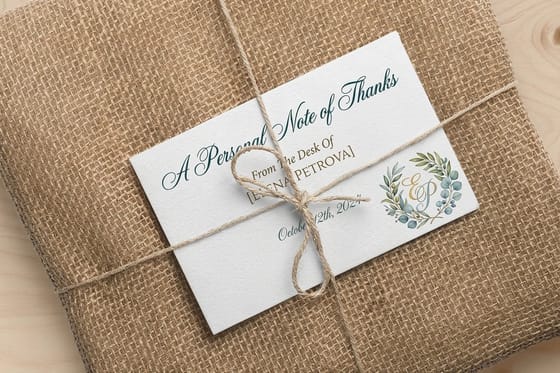
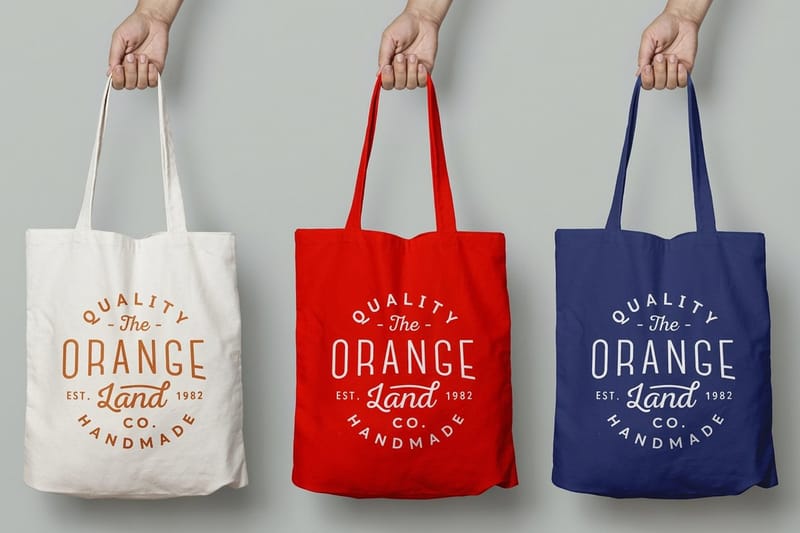
Packaging is no longer just a brown box to protect what's inside; it's one of the most powerful marketing channels you have. Custom-printed boxes, branded mailers, and even thoughtfully designed labels or tissue paper can transform a simple delivery into an exciting "unboxing" experience. This is often the very first physical interaction a customer has with your product, and it sets the tone for everything that follows.
When you treat packaging as a branding opportunity, you create a cohesive and memorable journey from checkout to unboxing. It quietly reinforces your brand's value and shows a level of care that customers notice, appreciate, and often share on social media—hello, free marketing! It's that final, tangible touchpoint that can lock in customer loyalty and turn a one-time buyer into a true fan.
Why Bother With Print When Digital Is King?
It’s a fair question. Why spend money on a physical flyer when a digital ad is just a click away? The answer, it turns out, has a lot to do with human psychology. While online ads flicker across a screen and vanish, a physical piece of print has a certain weight, a permanence that digital just can't replicate. It builds an immediate, almost subconscious, sense of trust and credibility.
Think about it. In a world overflowing with pop-ups, notifications, and an endless stream of digital noise, receiving a beautifully crafted brochure or a thoughtful direct mail piece feels different. It feels intentional. It signals that your brand cared enough to invest in quality, which tells the customer you’re an established, trustworthy business.
It’s Not Just What You See, It’s What You Feel
One of the biggest advantages print has is its ability to engage our sense of touch—a powerful concept known as haptics. When a potential customer holds your business card, feels the unique texture of the paper, and sees the crisp quality of the ink, it creates a multi-sensory experience that a screen simply can’t match.
This physical interaction isn't just a gimmick; it’s far more memorable than passively scrolling past an ad. Neuroscientific studies have repeatedly shown that tangible materials leave a much deeper footprint on the brain. A postcard doesn’t just get seen; it gets held. That means it's more likely to be remembered later, leading to significantly higher brand recall than its fleeting digital counterparts.
The brain actually processes physical media differently. Research shows that direct mail requires 21% less cognitive effort to process than digital ads. This makes your message easier for people to absorb and, more importantly, to remember. It’s not just marketing talk; it’s cognitive science in action.
Cutting Through the Digital Static
Let’s be honest, we’re all suffering from a bit of “digital fatigue.” We’re so bombarded with emails, banner ads, and sponsored posts that most of us have developed a kind of digital blindness, tuning it all out. Print marketing offers a brilliant way to sidestep this oversaturation and get noticed.
A piece of direct mail landing in a physical mailbox or a flyer handed out at a local event provides a welcome break from screen time. It commands attention in a less intrusive, more focused way than a digital impression that disappears in a fraction of a second.
Here’s where print really shines:
- Higher Response Rates: Targeted direct mail campaigns often blow email campaigns out of the water. Why? They feel more personal and are far less likely to be dismissed as spam.
- Longer Lifespan: An email is deleted and forgotten in an instant. But a great-looking brochure might sit on a desk for days, a postcard can get pinned to a fridge, and a catalog can be browsed over and over, giving your message a much longer life.
- Hyper-Focused Local Targeting: Nothing beats print for reaching specific local demographics. It allows you to zero in on a particular neighborhood or community with a level of precision that’s tough to achieve online.
Lasting Impact You Can Hold in Your Hand
Even as online channels grow, the investment in print has remained incredibly resilient. The global market for print advertising was valued at a whopping $32.5 billion in 2023, and it's projected to hit $32.81 billion by 2025. These numbers don't lie—businesses are still seeing a substantial return from tangible media.
Ultimately, print marketing materials are more than just messages; they are physical artifacts of your brand. They deliver a tangible experience that reinforces your commitment to quality and professionalism. This physical proof builds a foundation of trust that is incredibly difficult to replicate in the digital world. By investing in tangible assets, you’re not just reaching customers; you’re building lasting tools for stronger brand awareness.
Creating a Powerful Integrated Marketing Strategy
Let’s get one thing straight: the best marketing isn’t about choosing print or digital. It's about making them work together, in perfect harmony. Don't think of them as competitors. Instead, see them as two essential tools in your kit, each with its own unique strengths. A truly integrated strategy is where your physical and online efforts boost each other, creating a seamless journey for your customers.
Think of it like this: print is the tangible handshake that starts a conversation. Digital is the ongoing dialogue that builds the relationship. A beautifully designed postcard can grab someone's attention in the real world, and a perfectly timed email can follow up with more details to drive a purchase. That synergy is where the real magic happens.

Bridging the Physical and Digital Divide
The secret to a killer integrated campaign is building clear, compelling bridges between your print materials and your online presence. Your goal is to guide customers from a physical touchpoint directly to a digital action, making that transition feel natural and worthwhile.
This approach combines the high-impact, trust-building power of print with the trackable, interactive nature of digital. It’s all about creating a conversation that flows effortlessly from the mailbox to the website and back again.
Here are a few ways this plays out in the real world:
- QR Codes on Postcards: A local restaurant sends out direct mail postcards with a QR code. When scanned, it takes customers to an exclusive video of the chef preparing a new seasonal dish and offers a unique discount code for their next online reservation.
- Personalized Welcome Kits: A software company sends a high-quality welcome kit to new clients who filled out an online demo form. Inside is a branded notebook, a thank-you card, and a quick-start guide, cementing the new relationship with a tangible gesture.
- Event Flyers to Social Engagement: A retail store hands out flyers for an in-store event that include a special hashtag. Customers who post a picture with the flyer using that hashtag are entered to win a prize, driving both foot traffic and social media buzz.
A truly integrated strategy doesn't just slap a URL on a flyer. It creates a compelling reason for someone to make the leap from the physical world to the digital one, turning a passive reader into an active participant in your brand's story.
Knowing When to Use Each Channel
Smart integration isn't just about linking channels; it's about knowing when to use each one for maximum impact. Each platform has its own strengths, and understanding them helps you build a more resilient and effective marketing machine.
- Lean on Print For: Building initial trust, making a powerful first impression, targeting specific local demographics, and delivering a message that feels personal and substantial.
- Leverage Digital For: Broad reach, real-time analytics and tracking, interactive content like videos and quizzes, and instant communication through email and social media.
This multi-channel approach isn't just a gut feeling—it's backed by hard data. Research shows that online campaigns are 400% more effective when combined with print advertising. That's a massive boost. The global digital print market, a cornerstone of modern marketing, is projected to grow from $167.5 billion in 2025 to $251.1 billion by 2035, proving its staying power. To get the full picture, explore the full research findings from StickerYou.
Ready to build these powerful connections? By exploring the various marketing essentials available for print, you can find the perfect tools for the job.
Designing and Producing High-Impact Print Materials
You don't need a graphic design degree to create print materials that actually get noticed and drive results. The real secret to high-impact print is just understanding a few core principles and making smart choices about the physical stuff that brings your brand to life. This section will pull back the curtain on the creative process, giving you the essentials to confidently produce print that works.
From the colors you pick to the paper you print on, every single decision sends a message. A simple, clean design with plenty of white space can signal sophistication and calm. On the other hand, bold, vibrant colors might scream energy and excitement. It’s all about making intentional choices that line up with your brand's personality and what you want the campaign to achieve.

Core Design Principles for Non-Designers
Before you dive into production, let’s quickly cover a few foundational design concepts. Think of these less as rigid rules and more as simple guidelines to make sure your materials are clear, effective, and look professional.
Your best friend here is visual hierarchy. It’s the art of arranging elements to show their order of importance. Your most critical message—like a killer headline or a can't-miss offer—should be the very first thing people see. You can pull this off using:
- Size: Make your headline massive compared to your body text.
- Color: Use a bold, contrasting color for your call-to-action button so it pops.
- Placement: Put the most important info right at the top or smack in the center.
Next up, think about color psychology. Colors trigger specific emotions and can totally change how people see your brand. For instance, blue often suggests trust and reliability, while green is all about growth and nature. When you're getting designs ready for print, it’s absolutely vital to get the technical side right. A great place to start is understanding color profiles like CMYK vs RGB for print, which ensures the brilliant colors on your screen look just as good on the final printed piece.
The Power of Materials and Finishes
The physical materials you choose are just as critical as the design itself. The texture, thickness, and finish of a printed piece can completely transform how your brand feels in someone's hands and how memorable your message becomes. This tactile experience is one of print's biggest superpowers.
Here are a few key elements to mull over:
- Paper Stock (Weight): A thicker, heavier cardstock (like 16 pt. or 32 pt.) feels premium and substantial—perfect for business cards or fancy invitations. Lighter paper works great and is more cost-effective for flyers or brochures.
- Paper Finish: A glossy finish makes colors explode off the page and is awesome for photo-heavy designs. A matte finish gives you a more subtle, sophisticated vibe that cuts down on glare and feels very modern.
- Specialty Finishes: Adding touches like foil stamping, embossing (a raised design), or spot UV (a glossy coating on just one part of the design) can add a layer of luxury that makes your materials impossible to ignore.
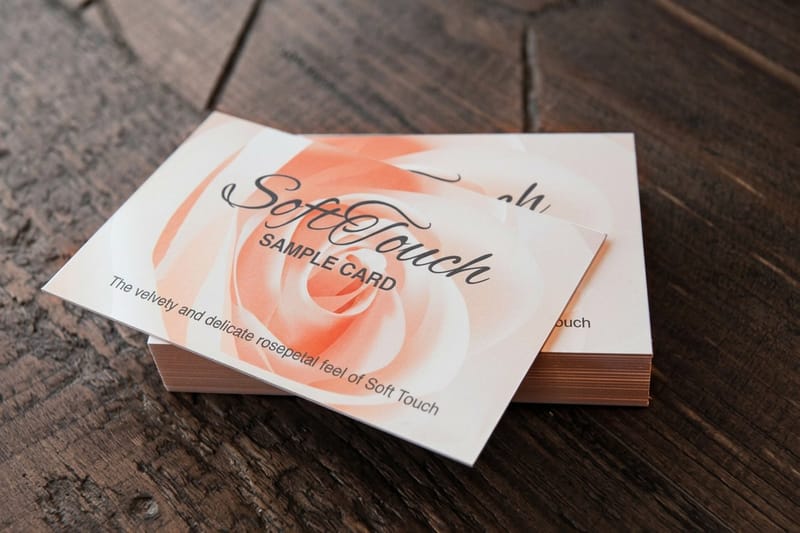
Don't underestimate the power of touch. A potential client holding a sturdy, soft-touch business card will have a fundamentally different—and better—impression of your brand than someone holding a flimsy, generic one. The material itself becomes part of your brand's story.
Making Professional Printing Accessible
In the past, getting high-quality printing usually meant committing to huge, expensive print runs. Not anymore. Today's technology has made professional printing affordable and accessible for businesses of any size, even if you're working with a tight budget. Game-changers like print-on-demand (POD) have completely rewritten the rules.
The global print-on-demand market has seen explosive growth, a clear sign of where print marketing is headed. Valued at $5.1 billion in 2023, it’s projected to hit an incredible $8.16 billion by 2025. This boom is all thanks to the efficiency of new printing tech and the growing hunger for customized products.
This shift means you can order exactly what you need, right when you need it, without worrying about a closet full of wasted inventory. Whether it's 50 postcards for a local drop or 5,000 brochures for a trade show, the flexibility of modern digital printing services puts you in the driver's seat of your budget and your marketing.
How to Measure Your Print Marketing Success
One of the oldest myths about print marketing is that it's a black box—you just send stuff out and hope for the best. That couldn't be further from the truth. With a few simple techniques, you can track the return on your print investment just as precisely as any digital campaign.
The trick is to build a bridge from your physical print piece to a measurable digital action. By baking trackable elements right into your designs, you create a clear path to see exactly how customers are responding. This flips your print campaign from a hopeful guess into a data-driven strategy.
Essential Tracking Tools for Print
To connect your tangible marketing materials to your digital analytics, you need to give your audience a dead-simple way to respond online. This isn’t just for their convenience; it’s how you get invaluable data on what’s actually working.
Here are the most effective tools for the job:
- Unique QR Codes: This is the most popular method for a reason. You can generate a distinct QR code for each specific campaign—one for your direct mail postcards, another for your in-store flyers—that links to a unique webpage.
- Dedicated Landing Pages: Instead of sending traffic to your homepage, create a special landing page with a unique URL (like
yourwebsite.com/offer). Only promote this URL on your print materials. - Custom Coupon Codes: Use campaign-specific discount codes (think "FLYER20") that can be redeemed online or in your store. This directly ties sales back to the specific print piece that drove them.
The goal is simple: create a unique, trackable path that exists only for the audience of a specific print campaign. When traffic or conversions come through that path, you know with certainty that your print marketing was the source.
Key Performance Indicators to Watch
Once your tracking is in place, you can start measuring the key performance indicators (KPIs) that really tell the story. These are the numbers that reveal your campaign's performance and help you nail down your return on investment.
Focus on these critical KPIs:
- Conversion Rate: This is the percentage of people who took the action you wanted after seeing your print piece. For example, if you mailed 1,000 postcards and 50 people used the QR code to sign up for your newsletter, your conversion rate is a solid 5%.
- Cost Per Acquisition (CPA): How much did it cost to land one new customer? If you spent $500 on a flyer campaign and it brought in 25 new customers, your CPA is $20.
- Response Rate: This tracks the total number of interactions, even if they didn't all convert. It could be QR code scans, visits to your landing page, or calls to a dedicated phone number. It shows you how much engagement your piece generated.
By keeping an eye on these numbers, you can directly connect your print efforts to your business’s bottom line. For a deeper dive into the universal principles of evaluating campaign success, this guide on Mastering Advertising Effectiveness Measurement offers some fantastic insights. This approach turns "what is print marketing?" from a simple question into a strategic, measurable investment.
Got Questions About Print Marketing? We've Got Answers.
Jumping into print can feel like a big step, and it's natural to have a few questions before you commit. We hear them all the time. Let’s clear up some of the most common hesitations with straightforward, experience-backed answers so you can move forward with confidence.
Isn't Print Marketing Too Expensive for a Small Business?
Not at all. The idea of print being a massive, budget-draining expense is a bit of a myth these days. While huge national campaigns obviously cost a pretty penny, modern printing has made things incredibly accessible for businesses of any size.
The trick is to be smart about it. Options like small-batch orders and print-on-demand mean you can get things like postcards, business cards, and flyers without a huge upfront investment. It's all about focusing on targeted campaigns where your return on investment (ROI) is high. For instance, a beautifully designed direct mail campaign sent to a specific neighborhood can be far more effective—and cheaper—than a broad digital ad that gets lost in the noise. The key is to start small, see what works, and then double down.
How Long Does It Take to See Results?
This really depends on what you’re trying to achieve. If you’re sending out a direct mail piece with a killer limited-time offer, you could see people walking through your door or visiting your website within a week or two. The response can be surprisingly fast.
On the other hand, for brand-building materials like a high-quality brochure or a really memorable business card, the impact is more of a slow burn. Unlike the instant feedback of a digital click, print's influence builds over time. It creates a sense of credibility and trust that can lead to more loyal, high-value customers down the road.
What Are the Biggest Mistakes People Make?
From what we've seen, the most common slip-ups fall into three buckets. First is simply poor design quality. Using blurry, low-resolution images or fonts that are impossible to read just makes a brand look unprofessional. It’s an instant turn-off.
The second is a weak or confusing call to action. If you don’t spell out exactly what you want people to do next—call this number, visit this site, use this code—they’re just not going to do anything. Be direct.
But the biggest mistake of all? Forgetting to include a way to track results. If you don't add a unique QR code, a special landing page URL, or a specific discount code, you’ll have no real idea if your campaign worked. Without tracking, you’re just guessing at your ROI.
Ready to create print that gets noticed and gets results? 4OVER4 has a massive selection of high-quality, customizable products to bring any idea to life. From eye-catching business cards to targeted direct mail campaigns, explore all the possibilities at 4OVER4.com.
More from print marketing
3
When you hear "table tent specs," what we're really talking about are the foundational details for printing them correctly: the
Emma Davis
Jan 27, 2026
32
When you're ready to print a poster, one of the first questions you'll face is, "What size should it be?" The industry has a
Emma Davis
Jan 26, 2026
70
Picture this: you're at a networking event, and someone hands you their business card. You do the usual glance—name, title, company—an
Emma Davis
Jan 25, 2026
91
Believe it or not, figuring out how to make a card in Word is surprisingly easy. You can knock out everything from slick, professional busines
Emma Davis
Jan 24, 2026
98
Printing on packaging takes a simple container and turns it into one of your most powerful marketing tools. It’s the very first physical int
Emma Davis
Jan 23, 2026
292
When you're getting ready to print a flyer, one of the first questions you'll face is, "What size should it be?" The most co
Emma Davis
Jan 22, 2026
319
How Our Free Business Cards Program Works (Quick Overview) Free business cards are available through two different
Emma Davis
Jan 22, 2026
166
A QR code business card does more than just share your name and number; it cleverly merges your physical card with your digit
Emma Davis
Jan 21, 2026


