
Vendor Table Display Design Ideas That Drive Sales in 2026


Tobias is our voice for cutting, binding and large format, built from the knowledge of our production team, with over 20 years in printing.
7 vendor table display ideas that get people to stop and buy
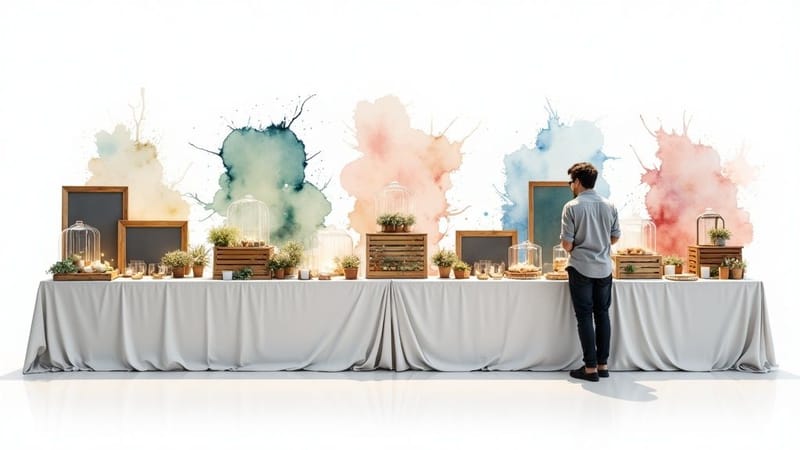
Your vendor table is a storefront, a brand ambassador, and a silent salesperson packed into a few square feet. A smart display does more than hold your products. From across the hall it tells shoppers what you sell in the few seconds they give it, and at arm’s length it turns a browser into a buyer. Most of that work falls to three printed pieces: a custom table cover in 9oz polyester, cut at 84 x 126.5 inches for a 6 foot table or 84 x 150.5 inches for an 8 foot one, a retractable banner stand behind you, and counter cards on easels for prices and product notes.
4OVER4.COM has served 150,000+ businesses over 25+ years and prints 1,000+ products, among them the branded table covers, bold signage and counter cards vendors bring to markets, trade shows, craft fairs, and conventions. The Trade Shows & Events story flips through those booth products one slide at a time. The strategies below come from what we print for those events, and you can put each one to work at your next show.
The difference between a table people walk past and one they walk up to comes down to designing with intention. The seven ideas below are in the order you should build the table: height, color, signage, interaction, product grouping, lighting, and the branded print that ties it together. For more print marketing inspiration, these funny print ad examples show how playful ideas grab attention, and the same instincts apply at a booth.
Why your table layout matters more than your product
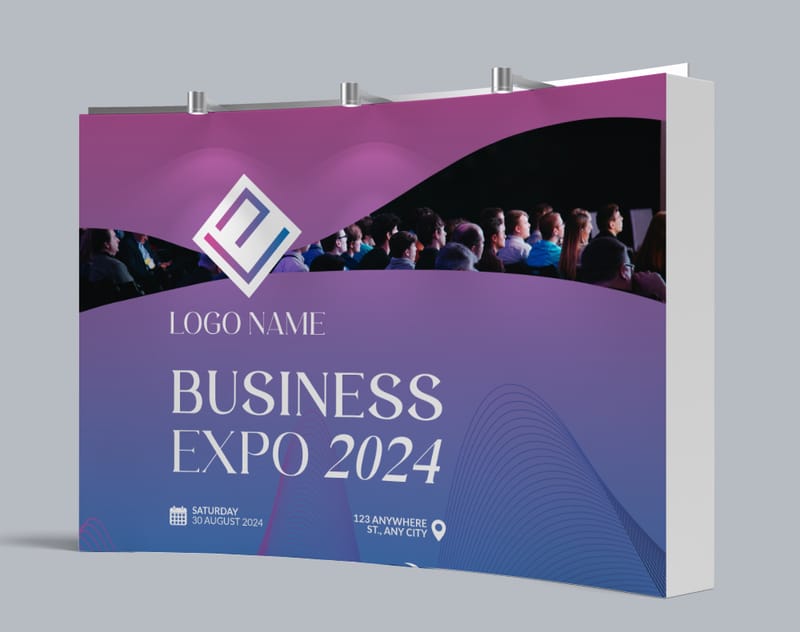
A vendor table display has one job, turning people who walk past into people who buy. Research from the Event Marketing Institute shows that 74% of attendees say they are more likely to buy from exhibitors with visually engaging displays. On a 6 foot table that starts with a printed cover that drops to the floor and a banner stand behind you at 79 to 92 inches tall, so your name sits above the heads of the crowd. Your layout is selling before you open your mouth.
At a busy farmers market or trade show, attendees pass dozens, sometimes hundreds, of tables. You have roughly three seconds to grab attention. A flat table covered in random products will not do it, but a display with height variation, branded elements, and clear product hierarchy will.
A fitted, printed tablecloth is the single fastest upgrade you can make to any vendor display. It hides the folding table legs, adds color, and signals that you take your business seriously. Anchor your setup with custom table covers and everything else falls into place.
Here is the whole setup seen from above, so you can place the pieces before you start unpacking crates:
Plan against the table you will actually get
Most ideas on this page assume you already know how much table you have. Book the space first, then design to the number.
A six foot table gives you roughly 72 by 30 inches of surface. An eight foot table gives you 96 by 30. Once a cash tin, a card reader, a bag stash and your own elbows take their cut, plan on losing the back six inches to risers and the front eight inches to the space customers reach into. What is left is the selling strip, and it is narrower than the picture in your head.
Mark it out on the floor at home with tape before you buy a single riser. Vendors who skip that arrive with a display built for a table half a foot wider than the one the organizer hands them.
Tiered displays build height and build interest
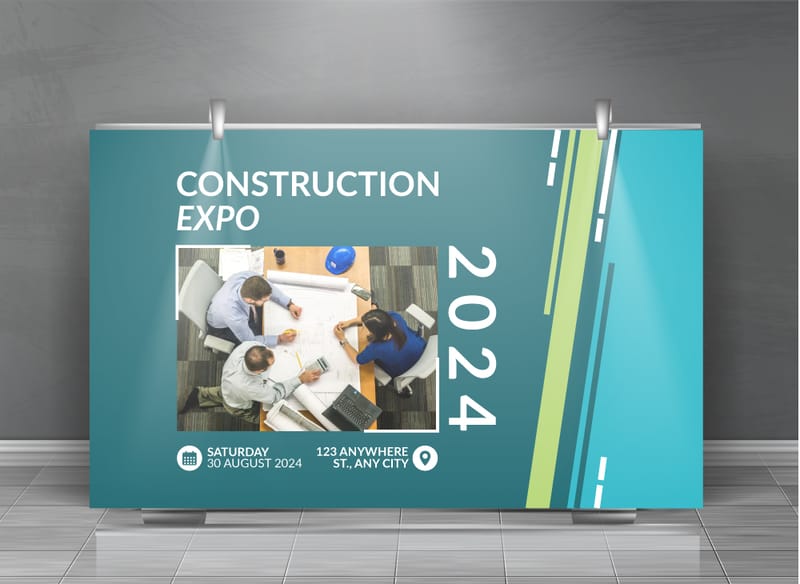
Risers give a flat table depth and a professional feel. Instead of laying products flat, you use risers, shelves, and platforms at different heights. That guides the eye upward and creates a display that feels more like a boutique than a booth.
Stacking upward uses the height a flat table wastes and gives each product its own spot where people can see it. When you break up the flat horizontal plane, you create visual interest that draws shoppers in from 20 feet away, with your best sellers sitting right at eye level.
Why tiered displays convert better
A tiered system gives a flat table a front, a middle and a back, so your best sellers sit at eye level and smaller items never get buried behind larger ones.
- Maximizes visibility every product stays in view, even small items that vanish on a flat surface.
- Improves approachability an organized display feels less overwhelming and more inviting to browse.
- Creates product hierarchy place high-margin items at eye level where they get the most attention.
How to set up a tiered display
Wooden crates, acrylic stands, stacked books, or custom platforms all work as risers. Match the material to your brand. A rustic candle maker leans on reclaimed wood, while a skincare brand reaches for clean acrylic risers.
Use the rule of threes, since items in odd numbers look more natural than even groupings. Test your setup for stability before the event, because a wobbly display kills credibility fast. For more ways to make your printed materials stand out, browse the full library of printing articles.
Anchor the booth
The table cover does the heavy lifting
A fitted, printed cover hides the folding table and sets your whole color story in one move.
Color-coordinated themes that stop traffic
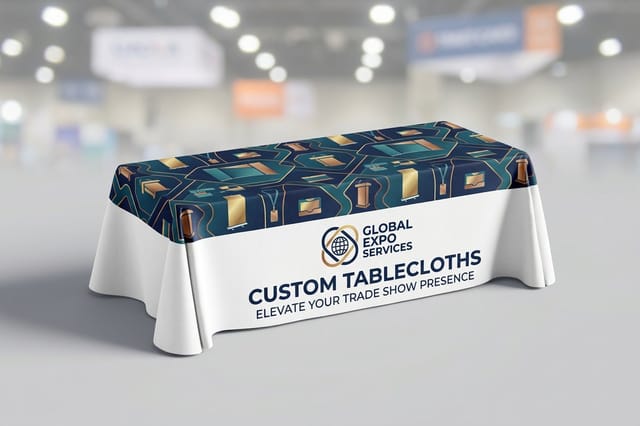
A color-coordinated theme makes your booth recognizable from across the venue. You carry a select palette across everything, from products and props to the tablecloth, signage, and packaging. The result is a cohesive setup that reads as professional from across any venue.
Color changes how shoppers feel at your table. Warm tones like red and orange create urgency and energy, while cool blues and greens signal trust and calm. Your palette should match both your brand identity and the feeling you want from customers.
Building a cohesive color story
Start with your brand primary colors, then add two or three complementary accents. Apply them consistently across your table cover, packaging, price tags, business cards, and signage. The goal is that someone could photograph your table and instantly know it belongs to your brand.
- Limit your palette to 3 to 4 colors too many colors read as chaos instead of a brand.
- Use neutrals as a base white, black, or natural wood lets your brand colors pop without competing.
- Coordinate your packaging bags, tissue, and wrapping in your colors extend the look beyond the table.
If you are branding packaging or giveaways, these logo sticker design ideas reinforce your color scheme and give customers something tactile to remember you by.
Signage and banner placement that commands attention
Your signage does the talking when you are busy with another customer. Plan for a backdrop banner, tabletop signs with product descriptions, and clear pricing, sized for the distance each one is read from. Our retractable banner stands run 24 to 48 inches wide and 79 to 92 inches tall on 13oz blockout vinyl, counter cards come at 8.5 x 11, 9 x 12 or 11 x 17 inches with a 9 inch easel, and table top displays run from 8.25 x 12 up to 15.75 x 32 inches. Together they carry your value even when you cannot.
A large backdrop banner is the single most visible element of your display, because it is what people see from across the room. Keep it clean with your logo, a tagline, and maybe one hero image. For backdrops that travel well and set up in minutes, look at fabric tube displays and curve tube displays. Both frame your entire table and give you instant brand presence.
Tabletop signage that sells
Beyond the big backdrop, smaller signs do the heavy lifting for individual products. Price cards, product descriptions, and best-seller tags guide customers without needing your constant attention. Keep them short with a product name, one key benefit, and the price. For countertop signs, table top displays keep product cards upright and readable at eye level.
Quantity and price
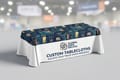
Table cover pricing and specs
Real configurator numbers, where the more you order, the lower the per-unit cost drops.
| Quantity | Price Per Unit | Total |
|---|---|---|
| 1 | $225.00 | $225.00 |
| 2 | $222.50 | $445.00 |
| 3 | $221.67 | $665.00 |
| 4 | $218.75 | $875.00 |
| 5 | $219.00 | $1,095.00 |
| 6 | $217.50 | $1,305.00 |
Interactive elements that create engagement
Give shoppers something to do at your table, whether that is samples, testers, demos, or a simple spin wheel, and the touchpoint increases dwell time. More time at your table means more sales. Print the instructions on an 8.5 x 11 inch counter card beside the tester, so the sign explains the game while you serve someone else.
Consider what fits your product. A soap maker offers scent testers, a jewelry designer sets up a mirror station, and a food vendor hands out small samples. The shopper who smelled the soap or tried on the ring has a reason to talk to you, and a flat display gives them none.
Low-cost interactive ideas
You do not need expensive tech to create interaction. A QR code linking to your Instagram or a scan-for-a-discount offer works beautifully, and a fishbowl for business card drops builds your email list while creating engagement. Printed materials do a lot here, since cards with QR codes, short flyers, and branded postcards all give people something to take home. For more take-home ideas, see these promotional materials for events.
Look the part
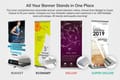
Banner stand materials and finishing
Stock, print, and hardware options for a backdrop that travels event to event.
Product grouping for maximum sales
How you group products on the table shapes what people buy and how much they spend. Random placement forces customers to work too hard, while strategic grouping tells a story and creates natural upsell moments.
Group products by use case, not just by type. A skincare vendor builds a morning routine cluster and an evening routine cluster instead of lining up all the moisturizers together. A candle maker groups by scent family or room. This helps customers picture how your products fit into their life.
Bundle displays that boost order value
Create pre-made bundles and display them with a clear bundle price sign. Bundles lift your average transaction value because customers see them as a deal, even when the savings are modest. Show the individual prices next to the bundle price so the value is obvious, and leave a small open area at the front edge for low-priced impulse buys.
Lighting and ambiance, the detail most vendors skip
Most vendors skip lighting. Indoor venues often have harsh overhead lighting that washes out colors and creates unflattering shadows. A few small LED lights can transform your display from flat to inviting.
Battery-powered LED strips along the back edge create a subtle glow that highlights products, and small clip-on spotlights draw attention to featured items. Most events do not provide outlets, so pack rechargeable lights with adjustable brightness. For a professional glow that doubles as signage, custom light boxes keep your brand visible even in the busiest hall.
Frame the tabletop
Table top display specs
Compact display sizes and finishing that sit right on the table and frame your products.

Outdoor markets break an indoor display
Everything changes the moment the table moves outside, and wind is the problem that ruins a whole day.
Anything light and upright turns into a sail. Clip the table cover down rather than draping it, weight every banner base, and keep the tall signage on the back edge where a tent leg can carry some of the load. Small cards and tags need a weight on them or they leave with the first gust.
Sun is the second problem. Direct light washes out a printed backdrop and turns a gloss finish into a mirror, which is why matte reads better outside than it ever does indoors. Damp is the third. Overnight air gets into paper tags and price cards, so store them flat in a sealed bin and pack spares for day two.
Branded print materials that tie it together
Your printed materials make a vendor table read as one business. Business cards, product tags, postcards, banners, and table covers all need to look like one brand. When every piece shares the same fonts, colors, and design language, your table reads as polished and professional.
4OVER4.COM runs G7 color profiling across its presses, so a table cover, a box of business cards and a set of signs ordered together print to the same color standard. For layout inspiration, browse these graphic design portfolio examples, and keep branded custom notepads on hand to jot leads and collect emails.
The print checklist for vendor events
Before every event, run through this checklist. Missing even one element can make your display feel incomplete.
- Table cover. fitted and branded, hiding the folding table completely.
- Backdrop banner. large format, readable from across the venue.
- Business cards. thick stock and a memorable finish, with your site and social handles.
- Price and product signs. consistent design, easy to read at arm’s length.
- Postcards or flyers. a take-home piece with your story or upcoming events.
- Stickers. branded stickers for bags, packaging, or freebies.
If you have questions about which print products fit your setup, the 4OVER4.COM Help Center covers sizing, materials, and turnaround times.
Compare formats
Popular booth products, side by side
Stock, finish, quantity, turnaround, and from-price across the products vendors order most.
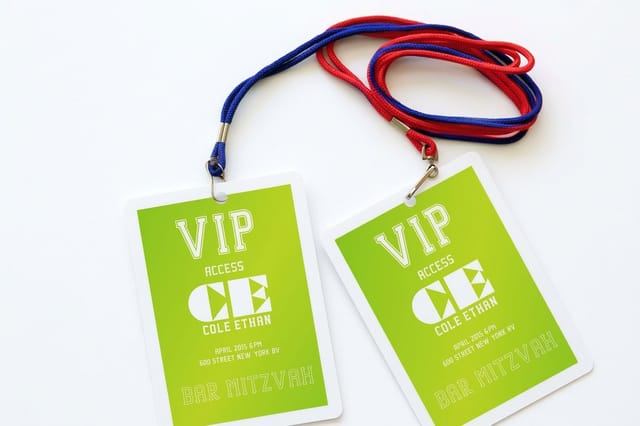 Event Badges | 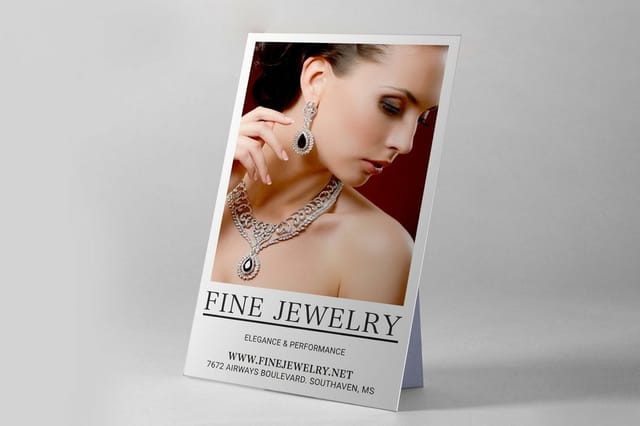 Counter Cards | 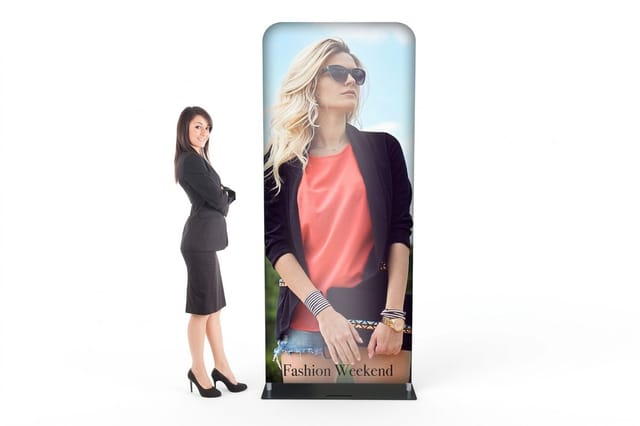 Fabric Tube Displays | 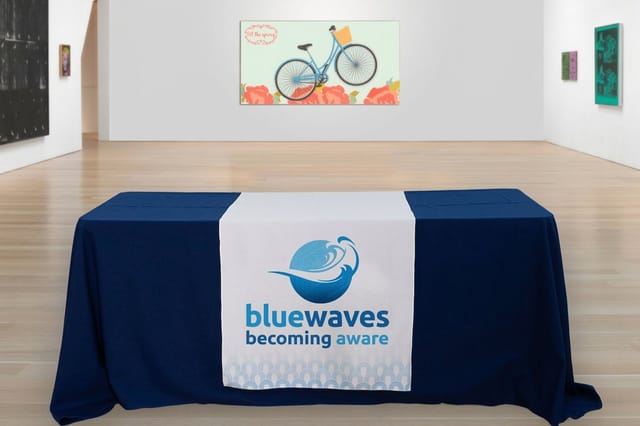 Table Runners | |
|---|---|---|---|---|
| Min price | $49.88 | $21.97 | $163.67 | $97.76 |
| Paper / stock | 30pt Gloss Laminated | 56pt. SBS Board | 8.8oz. Tension Fabric | 9oz Premium Polyester |
| Finish | - | Standard Finish | - | - |
| Size | 2" x 3" | 8.5" x 11" | 36" x 90" | 24" x 72" |
| Default qty | 25 | 1 | 1 | 1 |
| Turnaround | 5 business days | 2 business days | 4 business days | 4 business days |
| Rating | ||||
| View & customize | View & customize | View & customize | View & customize |
Setup day logistics, getting it right when it counts
A strong display does you no good if setup runs long or the display falls apart mid-event. Practice at home and time yourself, with a goal of going from car trunk to fully assembled display in 30 minutes or less. Pack everything in labeled bins, write down a setup order, and bring extras like tape, zip ties, and a portable steamer for wrinkled fabric.
The tear-down plan
Tear-down matters too. At the end of a long event you will be tired, so a clear packing system prevents damage to your materials and products. Pack fragile items first, roll banners carefully, and store your table cover in a garment bag to keep it wrinkle-free. Take photos of the finished setup from a few angles before doors open, since they double as your reference for next time and as content for social media.
Start fast
Templates and print-ready blanks
Display design templates and exact-size blanks so your artwork lands inside the cut line.
Wally turns a folding table into a storefront
Branded cover, height, and one clear backdrop
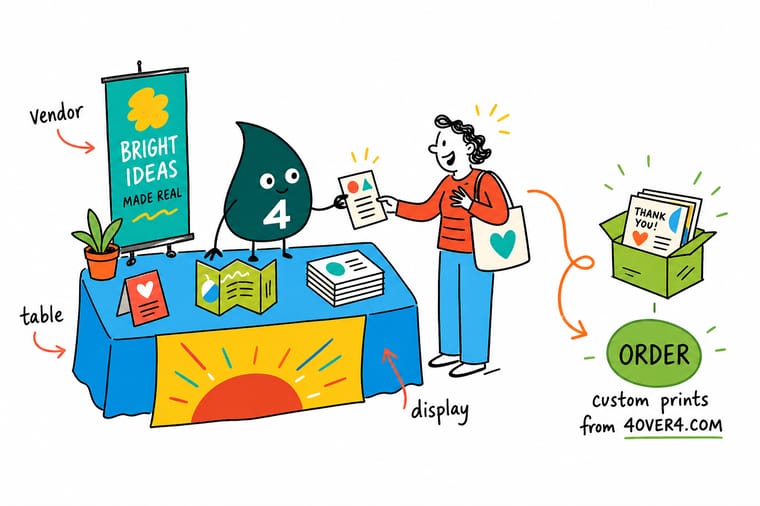
A booth that stops traffic starts with a printed table cover to hide the folding legs, tiered risers to add height, and a clean backdrop banner people can read from across the room. Keep your palette to a few colors, match every printed piece, and let the display do the selling while you talk to buyers.
Order custom table covers →What to remember about a standout vendor display
Explore more
More ways to build a booth that sells
Related products and guides on 4OVER4.COM, one card each, so you can keep planning your setup.
 Article Travel Brochure Design That Survives a Rack and Still Gets Picked Up Travel brochure folds, panel order and photo choices that work in a rack display, plus the stock weight that s
 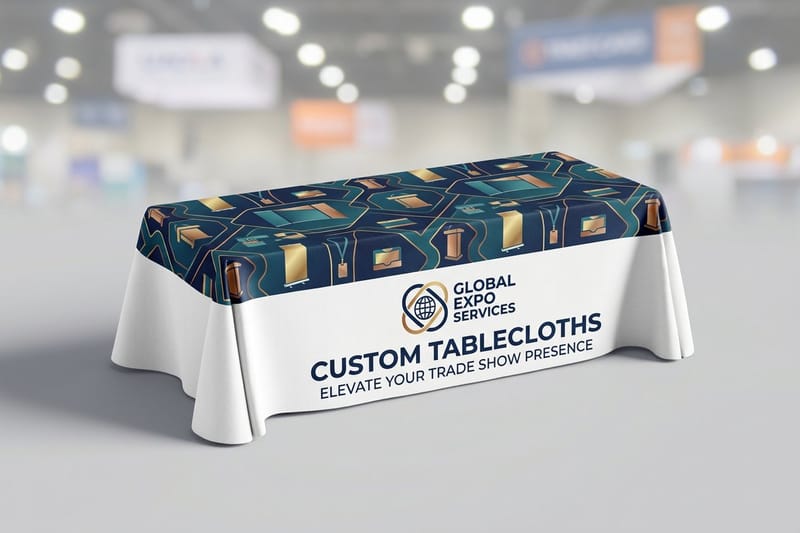 Product Custom Table Covers Fitted, printed covers that anchor any booth.
 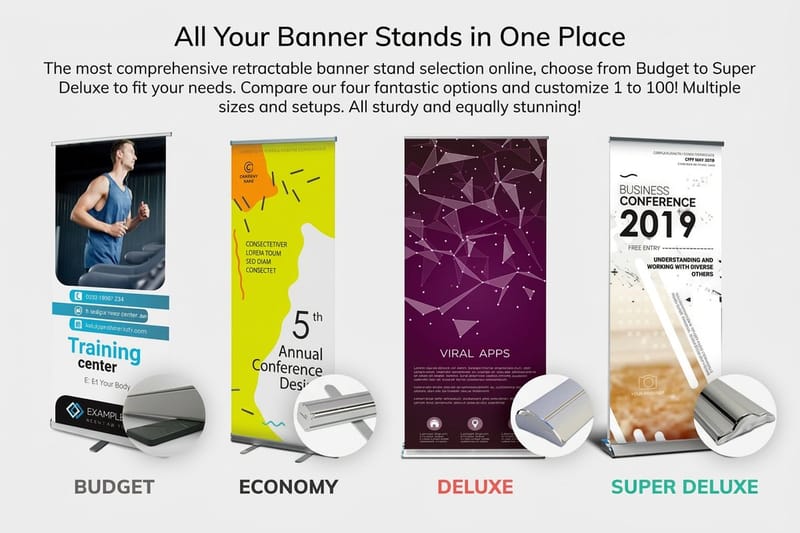 Product Retractable Banner Stands A portable backdrop that sets up in minutes.
 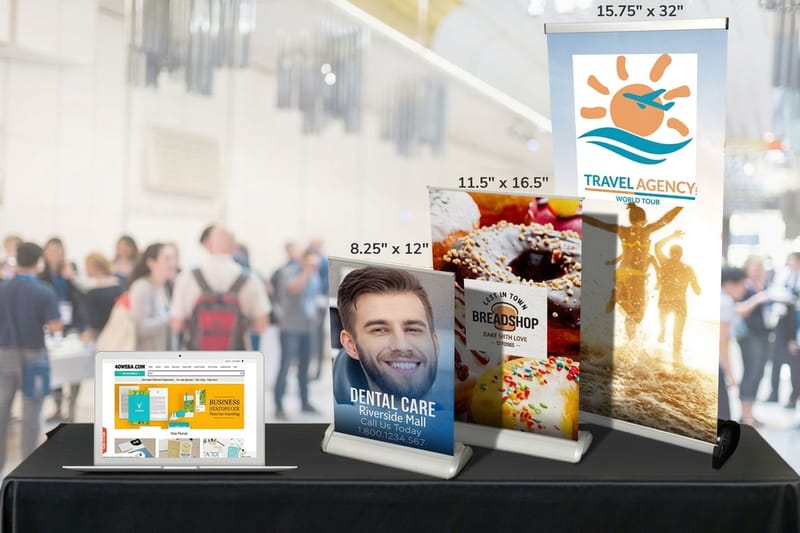 Product Table Top Displays Compact displays that frame your tabletop.
 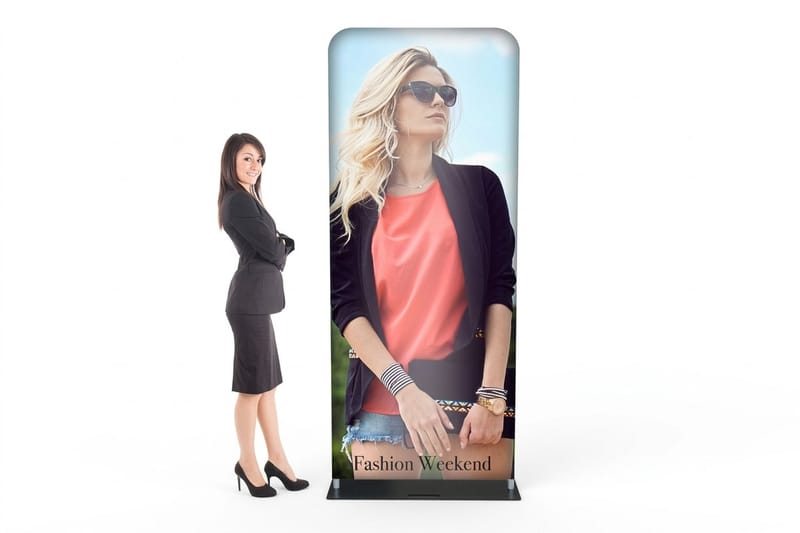 Product Fabric Tube Displays A seamless fabric backdrop for your table.
 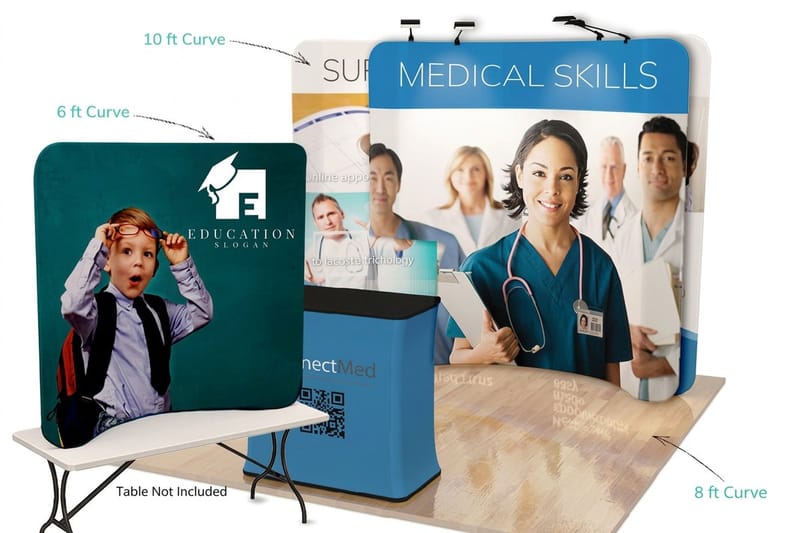 Product Curve Tube Displays A curved backdrop for a premium booth look.
 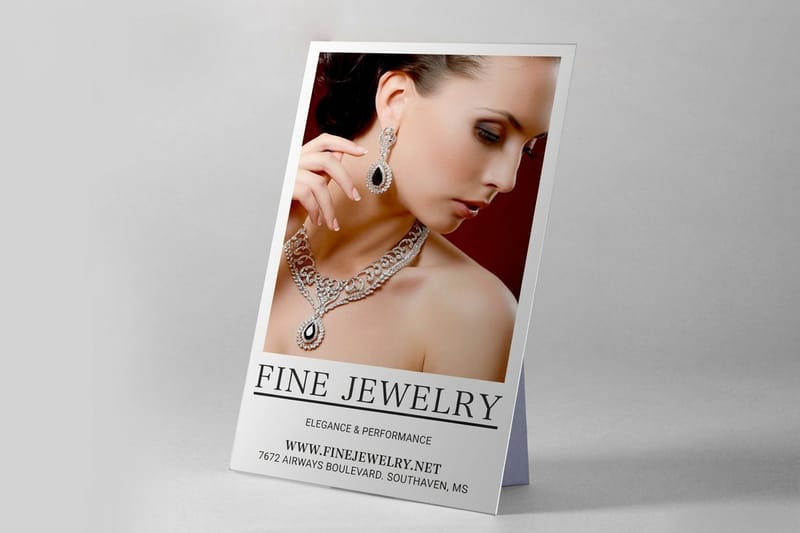 Product Counter Cards Tabletop signs that sell while you are busy.
 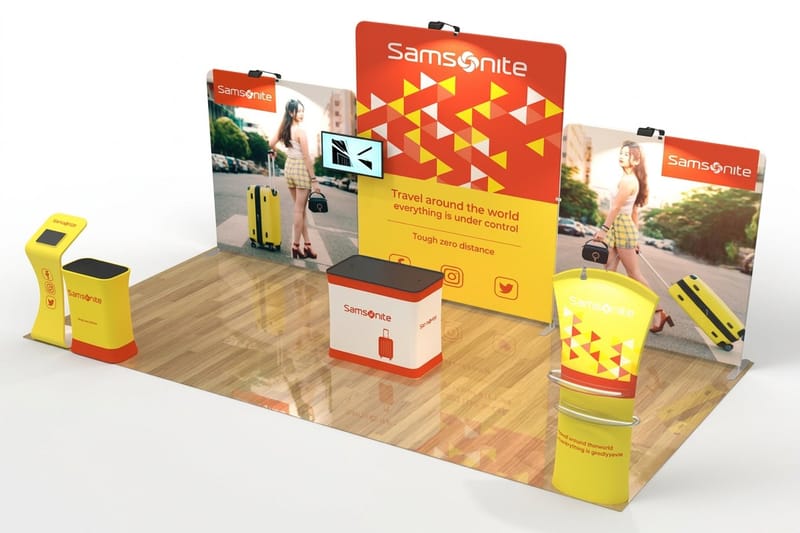 Hub Trade Shows & Events Every product for markets, fairs, and expos.
  Article Trade Show Giveaway Ideas Swag people actually keep and use.
  Article Promotional Materials for Events Printed pieces that carry your brand further.
 Ready to build a booth people walk up to?
Anchor it with a printed table cover, add a backdrop banner and tiered risers, and 4OVER4.COM prints every piece to match, as fast as same day.
Common questions about vendor table displays
What are some creative ideas for a vendor table?
Height is where most of the creativity lives, because a flat table reads as flat no matter what sits on it. Build a middle tier from crates or risers, hang one strong sign above eye level, and group products into scenes instead of rows. Then add one thing people can touch or try, a tester, a sample, or a spin wheel, and the table stops being a shelf and becomes a stop.
How do you display items in a vendor booth?
Work in three zones. The back wall carries the banner and your name, the risers in the middle carry what you most want seen, and the front edge carries the low priced items people pick up while they talk to you. Keep best sellers at eye level and spare stock under the table, and leave one clear gap on the surface so a customer can set a bag down to pay.
How do you make a booth interesting?
Give people a reason to stand still. A demo, a tester, or a short thing they can do with their hands holds someone at the table long enough to ask a question. Then give the eye somewhere to go, with one tall element, one bright block of color and prices nobody has to ask about. A booth is interesting when it answers the obvious questions before they are asked.
What are the best practices for vendor table display design ideas?
Start with a branded table cover that hides the folding table completely, then build height with tiered risers so every product stays visible. Hold your palette to three or four colors, place your best sellers at eye level, and add clear pricing. Custom counter cards handle product descriptions that sell while you help another customer.
How do I choose the right display for my products?
Match the display to your brand and your product. Handmade goods look great on rustic wood risers with warm lighting, tech accessories suit clean acrylic, and food products do well with sample stations and bold signage. Factor in your usual venue size and setup time too. The Help Center can guide you on sizing for printed display materials.
What makes a vendor display effective for marketing?
Effective displays pair visual appeal with smart product placement. A cohesive, branded look builds trust fast, because shoppers link a professional table to quality products. Interactive touches like QR codes and samples increase engagement time. Printed event badges for you and your team add another layer of professionalism.
How much should I budget for a vendor table display?
A solid starter display runs about $150 to $300 for a custom table cover, a retractable banner, business cards, and basic risers. Mid-range setups with professional signage, lighting, and branded packaging land between $400 and $700. Invest in durable, reusable pieces first, since a quality table cover and banner last dozens of events and keep the per-event cost low.
