
- Home
- content hub
- 7 Fresh Postcard Design Ideas to Make an Impact in 2025
7 Fresh Postcard Design Ideas to Make an Impact in 2025
Emma Davis
Content Writer
Sep 16, 2025325 views

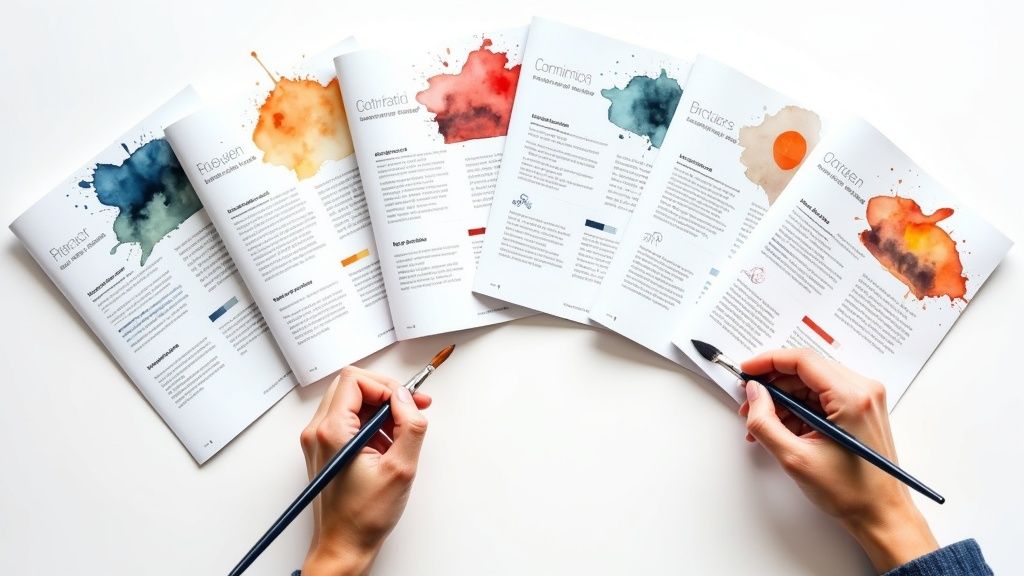
In a world saturated with digital noise, a well-designed postcard can be a powerful, tangible tool to capture attention. It's more than just paper and ink; it's a direct line to your audience that can evoke emotion, drive action, and build lasting brand recognition. However, breaking through the clutter requires more than just a logo and an address. It demands creativity, strategy, and a deep understanding of visual communication. At its core, great postcard design is a powerful extension of your brand identity, showcasing the foundational principles of branding through visual appeal.
This guide moves beyond generic advice to explore seven distinct postcard design ideas, providing the inspiration and practical steps you need to create something truly memorable. We will dive into specific techniques, from harnessing the power of vintage nostalgia to leveraging bold, modern gradients, ensuring your next postcard campaign doesn't just get delivered-it gets noticed. Each idea is paired with actionable tips on color, typography, and layout that you can implement using 4OVER4's extensive online design tools and templates, making professional-quality printing accessible to everyone. Forget the filler; let's get straight to the concepts that will elevate your next direct mail project from simple mail to a must-keep piece of art.
1. Vintage/Retro Aesthetic
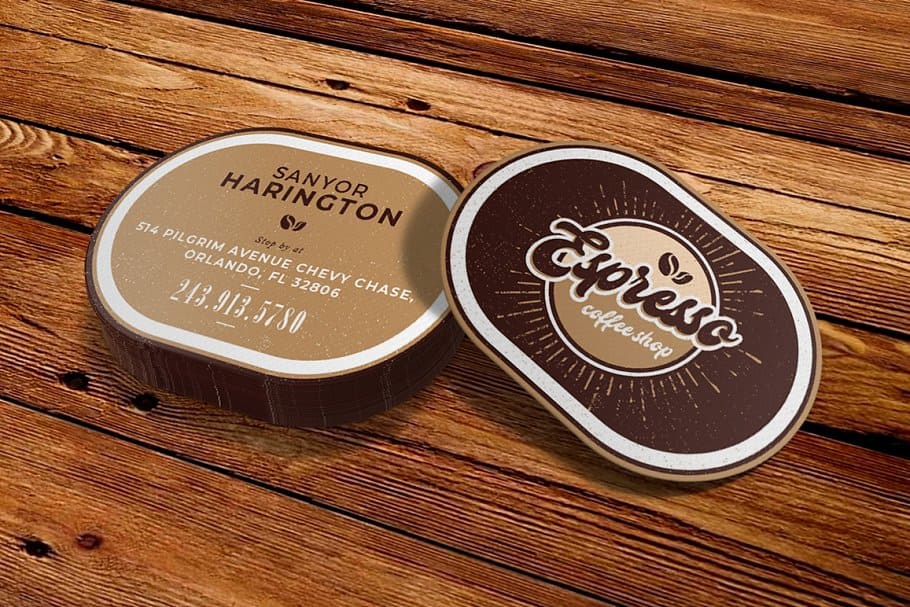
The vintage and retro aesthetic is one of the most powerful postcard design ideas for creating an immediate emotional connection. This style borrows visual cues from past decades, such as aged textures, muted color palettes, and classic typography, to evoke a sense of nostalgia and timeless appeal. It taps into collective memories, making your message feel authentic, enduring, and trustworthy.

This approach is particularly effective for brands that want to highlight heritage, craftsmanship, or long-standing quality. Think of the iconic National Parks Service poster campaigns or the work of Anderson Design Group, which have successfully used retro illustrations to create a sense of adventure and timeless beauty.
Why It Works
A vintage aesthetic suggests permanence and reliability in a fast-paced world. By using design elements that have stood the test of time, you imply that your brand, product, or message has the same lasting value. It’s perfect for anniversary promotions, heritage brand storytelling, or promoting destinations with rich histories.
Key Design Tips
To create an authentic vintage look, focus on these core elements:
- Color Palette: Use desaturated and warm tones. Think cream, sepia, faded blues, and muted reds. Avoid bright, neon, or overly modern colors.
- Typography: Select fonts that reflect a specific era. Classic serif fonts like Playfair Display or script fonts like Lobster work well. Research typographic trends from the decade you want to emulate.
- Imagery & Texture: Apply subtle filters like sepia or grain to your photos. Incorporate illustrations that mimic mid-century print techniques. A light paper or grain texture overlay can add a tactile, aged feel.
- Layout: While using vintage components, a clean, modern layout can prevent the design from looking dated. Balance nostalgic elements with a well-organized structure for readability.
How to Create It on 4OVER4
You can easily execute this style using 4OVER4’s online design tools. Start by selecting a cream or off-white background from the color options. Upload your photo and use the built-in image filters to apply a desaturated or sepia effect. Browse the font library for a classic serif or script that fits your chosen era. To complete the effect, consider uploading a subtle grain texture image as a background layer and reducing its opacity. Finally, choosing an uncoated paper stock at checkout will enhance the authentic, tactile feel of your finished postcard.
2. Minimalist/Clean Design
Minimalist and clean design is a powerful postcard idea that strips away non-essential elements to deliver a message with clarity and impact. This "less is more" philosophy, popularized by figures like Dieter Rams and the Swiss International Style movement, relies on ample white space, strong typography, and a single focal point to direct the viewer’s attention precisely where you want it.

This approach is highly effective for modern, sophisticated brands that prioritize function and elegance. Think of Apple's product announcements or a modern art gallery's exhibition invitations; the design itself communicates confidence, precision, and a focus on quality.
Why It Works
A minimalist design cuts through the clutter of everyday marketing, making your message feel intentional and easy to digest. The strategic use of negative space creates a visual breathing room that elevates the perceived value of your message and brand. It’s perfect for luxury brands, tech companies, professional service providers, or any campaign where a clear, direct call-to-action is the primary goal. The principles of minimalist design are also highly effective in other marketing materials, as you can see in many modern business card designs.
Key Design Tips
To achieve a polished minimalist look, concentrate on these fundamental elements:
- Color Palette: Stick to a limited color scheme, often monochromatic (shades of one color) or achromatic (black, white, and grays). A single, bold accent color can be used to draw attention to key information.
- Typography: Choose a clean, sans-serif font like Helvetica, Montserrat, or Lato. Create a strong hierarchy using different font weights (light, regular, bold) rather than multiple font styles.
- Imagery & Focus: Use a single, high-quality photograph or a simple graphic as the main focal point. A product shot on a clean background or an abstract shape can be incredibly effective.
- Layout: Embrace white space. Use the rule of thirds to position your key elements off-center for a more dynamic and professional composition. Ensure every element has a purpose.
How to Create It on 4OVER4
You can easily build a minimalist postcard using 4OVER4’s online design tools. Start by selecting a white or light gray background. Use the grid and alignment tools to place your text and a single uploaded image with precision. Select a clean sans-serif font from the library and experiment with bold and regular weights to create a clear visual hierarchy for your headline and details. To complete the premium feel, choose a Matte or Silk Laminated paper stock at checkout for a smooth, sophisticated finish.
3. Photo-Centric Layout
A photo-centric layout is a powerful postcard design idea that makes a single, high-quality image the star of the show. This approach leverages the immediate emotional impact of photography to tell a story, sell a product, or capture a mood, using minimal text and design elements as support. The goal is for the image itself to be the primary messenger, grabbing attention instantly.

This visual-first strategy has been perfected by brands like Airbnb and National Geographic, which use breathtaking photography to transport the viewer to another place. It’s highly effective for real estate agents showcasing a property, restaurants highlighting a signature dish, or travel companies promoting a destination.
Why It Works
An impactful photo communicates far faster than text. This design builds an immediate emotional connection and conveys quality and professionalism. When you lead with a stunning image, you tell your audience that you are confident in what you have to offer, whether it’s a beautiful product, a luxurious experience, or a picturesque location. Explore more media and photography printing options to bring your visuals to life.
Key Design Tips
To master the photo-centric layout, prioritize the image above all else:
- Image Quality: Invest in professional photography or premium stock images. Your photo must be high-resolution (at least 300 DPI) to avoid looking blurry or pixelated in print.
- Text Overlay: Use text sparingly. When you do add text, ensure it has strong contrast against the background so it remains legible. A simple, clean font works best.
- Composition: Choose an image with a clear focal point and some negative space where you can place text without obscuring key details. The photo’s mood should align with your brand’s message.
- Layout: Let the photo bleed to the edges for a modern, full-frame look. Avoid cluttering the design with unnecessary graphics or borders; the image is the main event.
How to Create It on 4OVER4
Creating this design is straightforward on 4OVER4’s platform. Upload your high-resolution photograph and use the tool to stretch it to fill the entire postcard canvas. Add a text box and place your message carefully over an area of the image with a simple background. Experiment with font colors and a subtle drop shadow to enhance readability. For the best result, select a gloss UV coating at checkout to make your photo’s colors pop and give it a premium, professional finish.
4. Typography-Focused Design
A typography-focused design elevates text from a simple carrier of information to the main artistic element. This approach uses creative font pairings, dramatic scaling, and thoughtful layouts to make the words themselves the hero of the postcard. It’s a powerful strategy for messages that need to be bold, clear, and memorable without relying on photography or complex illustrations.

This design philosophy is championed by legendary designers like Paula Scher and Stefan Sagmeister, who have demonstrated how type can create emotion, energy, and visual identity. A well-executed typography postcard design can feel modern, sophisticated, and impactful, making it ideal for event announcements, inspirational quote cards, or brand promotions that want to make a strong statement.
Why It Works
In a world saturated with images, a typography-first design cuts through the noise with clarity and purpose. By making the message the visual focal point, you ensure your key information is immediately absorbed. This style conveys confidence and intentionality, suggesting that the message is so important it doesn't need decorative distractions. It's perfect for minimalists, modern brands, and campaigns with a direct call-to-action.
Key Design Tips
To create a stunning typography-focused postcard, concentrate on these principles:
- Font Pairing: Limit your design to two or three complementary font families to avoid a chaotic look. A common and effective pairing is a bold, expressive sans-serif for headlines and a clean, readable serif for body text.
- Visual Hierarchy: Use size, weight (bold, regular, light), and color to guide the viewer's eye. Your most important message should be the largest and most prominent element on the card.
- Spacing and Alignment: Pay close attention to kerning (space between characters) and leading (space between lines). A strong grid and consistent alignment (left, right, or center) create a professional, polished appearance.
- Text as Image: Don't be afraid to treat words like shapes. Overlap letters, rotate text, or fill a shape with words to create unique decorative elements that are both artistic and communicative.
How to Create It on 4OVER4
You can master this typography-focused postcard design idea using 4OVER4’s online design tools. Begin with a solid color background, or even a blank white canvas, to make your text pop. Explore the extensive font library and experiment with different pairings. Use the text tools to adjust size, color, and spacing with precision. For a premium finish, consider a 16pt Silk Laminated stock to give your design a smooth, sophisticated feel that complements the clean aesthetic.
5. Illustrated/Artistic Design
Using a custom illustration or artistic design is one of the most effective postcard design ideas for creating a truly unique and memorable impression. This approach leverages original artwork, from hand-drawn sketches to sophisticated digital paintings, as the central visual element. It allows brands to convey personality, creativity, and a high level of craftsmanship that photography alone often cannot capture.
This style is perfect for brands with a strong creative identity, such as art galleries announcing an exhibition, indie bands promoting a new album, or boutique shops wanting to showcase their unique character. The work of influential designers like Saul Bass and Mary Blair demonstrates how distinctive illustration can create an iconic and lasting brand image.
Why It Works
An illustrated design immediately sets your postcard apart from the standard stock photo-heavy marketing materials. It communicates that your brand is creative, thoughtful, and detail-oriented. The custom nature of the artwork forms a stronger emotional connection with the audience, making the postcard feel less like an advertisement and more like a piece of art worth keeping.
Key Design Tips
To execute an artistic postcard effectively, concentrate on these details:
- Consistent Style: Develop an illustrative style that aligns with your brand’s personality. Whether it’s minimalist line art, a watercolor effect, or a bold graphic style, consistency is key.
- Audience Appeal: Consider the aesthetic preferences of your target audience. A playful, cartoonish style might work for a children's event, while a more sophisticated, abstract illustration would be better for a luxury brand.
- Print Quality: Ensure your digital illustrations are high-resolution (300 DPI) to avoid pixelation when printed. If using traditional media, get a high-quality scan of the artwork.
- Text & Art Balance: Don't let your beautiful artwork overwhelm the important information. Use clean, simple typography and place it in areas with less visual noise to ensure readability.
How to Create It on 4OVER4
Creating an illustrated postcard on 4OVER4 is straightforward. First, commission or create your artwork and save it as a high-resolution JPG or PNG file. Begin your design by uploading your completed illustration directly onto the postcard canvas. From there, use the text tool to add your message, choosing a font from the library that complements your artwork without competing with it. For a design that truly feels like a work of art, consider printing on a premium paper stock like Linen or Felt to add a subtle, elegant texture to the final piece. Illustrated designs are also incredibly effective for other formats, and you can explore more options for custom greeting cards on 4over4.com.
6. Interactive/Functional Elements
Moving beyond a simple flat design, interactive and functional elements turn a postcard into an engaging experience. This approach incorporates physical features like scratch-offs, perforated tear-away sections, or intricate die-cuts that invite the recipient to physically interact with the mailer. This hands-on engagement creates a memorable moment, significantly boosting message retention and response rates.
This method transforms the postcard from a passive piece of mail into a dynamic tool. Think of a restaurant sending a postcard with a perforated coupon, a real estate agent using a pop-up element to reveal a home's interior, or an event invitation that includes a tear-off ticket. These functional designs add tangible value and a sense of novelty.
Why It Works
Interactive elements interrupt the routine of sorting mail by demanding attention and participation. The physical action of tearing, scratching, or folding creates a stronger cognitive and emotional connection to the brand. It’s an excellent strategy for direct response campaigns where the goal is to drive a specific action, such as visiting a store, redeeming an offer, or scanning a QR code for more information.
Key Design Tips
To add a functional dimension to your postcard design ideas, focus on these elements:
- Clear Call to Action: The interactive element should directly support your main goal. A scratch-off should reveal a prize or discount, and a perforation should make a coupon easy to save.
- Balance & Aesthetics: Ensure the functional part doesn't overwhelm the design. The interactive feature should be an integrated, exciting part of the overall aesthetic, not a clunky addition.
- Durability & Mailing: Test a prototype to ensure it can withstand the postal system. Die-cuts or pop-ups need to be designed so they don’t get damaged in transit.
- Digital Integration: Combine physical interaction with digital engagement. QR codes are a fantastic tool for this. For those looking to add a digital dimension, exploring creative QR code display ideas can inspire interactive elements for your postcard.
How to Create It on 4OVER4
4OVER4 offers custom printing options that make creating functional postcards straightforward. To add a perforated coupon, select the Perforation option during the configuration process and specify where you want the tear line. For unique shapes, you can order Die-Cut Postcards by uploading a dieline with your artwork. Similarly, if you want to create something like a hangable offer, you can adapt these concepts to other products. Learn more about our printed door hangers to see how functional die-cutting can be applied. For a scratch-off, simply design your postcard with a designated area and order Scratch Off Stickers to apply to them once printed.
7. Bold Color and Gradient Schemes
Using bold colors and gradients is a modern and dynamic approach among postcard design ideas that guarantees your message will not be overlooked. This style leverages vibrant, high-contrast colors and smooth transitions to create an energetic and visually striking design. It communicates a sense of innovation, creativity, and forward-thinking, making it a powerful choice for brands that want to appear fresh and contemporary.
This trend has been popularized by tech giants and digital platforms like Spotify and Instagram, who use gradients to create a memorable and fluid brand identity. It's an excellent strategy for tech startups, music festivals, fashion brand announcements, and creative agencies looking to showcase a modern, high-energy aesthetic that immediately grabs attention.
Why It Works
Bold colors and gradients create an immediate visual impact, separating your postcard from the typical mail. This approach feels current and digital-native, which can resonate strongly with younger audiences and tech-savvy professionals. It's perfect for product launches, event promotions, or any campaign where a sense of excitement and innovation is key. The vibrant visuals make the design feel alive and engaging.
Key Design Tips
To effectively use bold colors and gradients, focus on balance and purpose:
- Color Theory: Use color theory principles to select harmonious yet impactful combinations. Analogous or complementary colors can create stunning gradients.
- Gradient Control: Keep gradients subtle and smooth. A well-executed gradient should enhance the design, not distract from the core message. Test how it reproduces in print.
- Balance with Neutrals: Pair your bold palette with clean, neutral elements. White or black space and simple typography can prevent the design from becoming overwhelming and improve readability.
- Typography: Choose a strong, clean font that can stand out against a busy background. A bold sans-serif like Montserrat or Poppins often works best.
How to Create It on 4OVER4
You can design a stunning gradient postcard using 4OVER4’s online tools. In the editor, use the background tools to select the gradient option and choose your starting and ending colors. You can adjust the angle and flow of the gradient to fit your layout. Add your text using a bold, sans-serif font from the library and set its color to white or black for maximum contrast. To maintain a modern feel, choose a Glossy UV finish at checkout to make the colors pop. These same principles are also highly effective for other marketing materials; you can explore similar colorful options with flyer printing on 4over4.com.
Postcard Design Styles Comparison
| Design Style | Implementation Complexity 🔄 | Resource Requirements ⚡ | Expected Outcomes 📊 | Ideal Use Cases 💡 | Key Advantages ⭐ |
|---|---|---|---|---|---|
| Vintage/Retro Aesthetic | Medium complexity; requires authenticity | Moderate; vintage assets & typography | Emotional connection; timeless appeal | Heritage brands, nostalgic promos, vintage events | Nostalgia-driven impact; broad demographic appeal |
| Minimalist/Clean Design | Low to medium; focus on simplicity | Low; limited elements & colors | Clear messaging; professional look | Modern brands, professionalism, art exhibitions | Sophisticated, versatile, cost-effective |
| Photo-Centric Layout | Medium; high-quality photography needed | High; professional photos essential | Strong visual impact; emotional engagement | Travel, real estate, product showcasing | Immediate visual storytelling; transcends language barriers |
| Typography-Focused Design | Medium to high; requires typography skill | Low; minimal imagery | Strong brand recognition; message clarity | Event announcements, quotes, brand identity | Cost-effective; highly customizable; strong textual focus |
| Illustrated/Artistic Design | High; needs artistic skills or budget | High; custom illustrations | Unique, memorable visuals | Indie brands, art galleries, boutique marketing | Distinctive imagery; full creative control |
| Interactive/Functional Elements | High; complex production & design | High; special materials & mechanisms | Engaging, memorable user experience | Promotions requiring interaction, coupons, QR codes | Increased engagement; bridges physical and digital marketing |
| Bold Color and Gradient Schemes | Medium; requires color management | Moderate; vibrant palettes & gradients | Eye-catching, energetic, modern feel | Tech startups, music festivals, fashion branding | Attention-grabbing; conveys innovation; strong brand presence |
Turn Your Inspiration Into Reality
We've journeyed through a diverse landscape of creative possibilities, from the quiet sophistication of minimalist layouts to the vibrant energy of bold color gradients. The postcard design ideas presented in this guide are more than just aesthetic choices; they are strategic tools for communication. Each style, whether it’s the nostalgic pull of a vintage design or the personal touch of a photo-centric layout, offers a unique way to connect with your audience and achieve your marketing goals. The power lies not just in selecting one idea but in understanding the core principles behind each one.
A successful postcard does more than just announce a sale or an event; it tells a story, evokes an emotion, and builds a tangible connection. By mastering concepts like visual hierarchy in a typography-focused design or creating engagement with interactive elements, you elevate your marketing from a simple message to a memorable experience. This is how a small piece of cardstock becomes a powerful brand ambassador.
From Concept to Creation: Your Actionable Next Steps
The most effective postcard design ideas are born from a clear strategy. Before you even open a design tool, take a moment to reflect on the key takeaways from this article and apply them to your specific project.
- Define Your "Why": Revisit your primary objective. Are you driving traffic, building brand awareness, or announcing a new product? The answer will guide your design choices. A minimalist design might be perfect for a luxury brand launch, while an interactive postcard with a tear-off coupon is ideal for a retail promotion.
- Know Your Audience: Consider the recipient. A bold, modern gradient might captivate a young, tech-savvy audience, whereas an elegant, illustrated design could be more effective for a boutique or art gallery. Your design must speak their language.
- Synthesize and Innovate: Don't feel confined to a single category. The most compelling designs often borrow elements from multiple styles. Imagine a photo-centric postcard that uses strong, vintage-inspired typography or a minimalist layout energized by a single, bold splash of color. This is your opportunity to innovate and create a design that is uniquely yours.
Ultimately, the best postcard design ideas are the ones that get brought to life with precision and quality. Your brilliant concept deserves a final product that feels substantial, looks professional, and truly represents the care you put into it. This is where your creative vision meets expert execution. By investing in high-quality printing, you ensure that every color pops, every line is crisp, and your message is delivered with the impact it deserves. You’ve done the creative work; now it’s time to make it real.
Ready to transform your vision into a stunning, high-quality postcard that gets results? Explore the extensive library of customizable templates at 4OVER4 or upload your own design to get started in minutes. With our powerful online tools and premium printing options, bringing your best postcard design ideas to life has never been easier.
More from postcard design ideas
10
When you hear "table tent specs," what we're really talking about are the foundational details for printing them correctly: the
Emma Davis
Jan 27, 2026
61
When you're ready to print a poster, one of the first questions you'll face is, "What size should it be?" The industry has a
Emma Davis
Jan 26, 2026
88
Picture this: you're at a networking event, and someone hands you their business card. You do the usual glance—name, title, company—an
Emma Davis
Jan 25, 2026
104
Believe it or not, figuring out how to make a card in Word is surprisingly easy. You can knock out everything from slick, professional busines
Emma Davis
Jan 24, 2026
104
Printing on packaging takes a simple container and turns it into one of your most powerful marketing tools. It’s the very first physical int
Emma Davis
Jan 23, 2026
326
When you're getting ready to print a flyer, one of the first questions you'll face is, "What size should it be?" The most co
Emma Davis
Jan 22, 2026
332
How Our Free Business Cards Program Works (Quick Overview) Free business cards are available through two different
Emma Davis
Jan 22, 2026
179
A QR code business card does more than just share your name and number; it cleverly merges your physical card with your digit
Emma Davis
Jan 21, 2026