






- Home
- content hub
- Boosting Direct Mail Response Rates
Boosting Direct Mail Response Rates
Emma Davis
Content Writer
Oct 21, 2025383 views

When you send out a direct mail campaign, the response rate is the number that tells you if anyone is listening. It’s the percentage of people who actually took action after getting your mailer. While the numbers can swing wildly, a well-targeted campaign can see response rates hit anywhere from 5% to 9%. That's not just good; it's often way better than what you'll see from many digital channels, proving that a piece of paper in someone's hand can still be incredibly powerful.
Why Direct Mail Response Rates Still Matter

In a world overflowing with digital ads that disappear in a blink, a direct mail response rate is more than a simple metric—it’s the heartbeat of your physical marketing efforts. Think of it as a real, tangible conversation starter. This one number tells you exactly how many people were moved enough by your mailer to scan a QR code, visit your site, or walk into your store.
Getting a grip on this rate is crucial for two big reasons: it measures genuine customer engagement and it proves your return on investment (ROI). Unlike a mindless scroll past a social media ad, interacting with a piece of mail is a deliberate choice. It shows your message didn't just get delivered; it connected with someone enough to make them act.
The Power of a Tangible Metric
Direct mail has a unique advantage: it’s real. It cuts through the digital chaos by giving people something they can actually hold. This physicality leads to much higher engagement and makes your brand more memorable. When someone has your postcard or brochure in their hands, you have their undivided attention, even if just for a moment. And that's where the magic happens.
A strong response rate is proof that your creative, your offer, and your targeting are all working together perfectly.
For a quick comparison, take a look at how direct mail stacks up against its digital counterparts. The difference is often surprising.
Direct Mail vs Digital Marketing Response Rates at a Glance
| Marketing Channel | Average Response Rate | Key Advantage |
|---|---|---|
| Direct Mail (House List) | 9% | Highly personal and targeted |
| Direct Mail (Prospect List) | 5% | Excellent for new customer acquisition |
| Email Marketing | 0.6% | Low cost, but low engagement |
| Paid Search | 0.6% | Intent-driven, but competitive |
| Social Media | 0.4% | Broad reach, but passive engagement |
As you can see, the numbers speak for themselves. While a broad, general mailing might land somewhere between 0.5% and 2%, a highly targeted campaign can soar into that impressive 5% to 9% range. Compare that to the typical email marketing response rate, which often struggles to get past 0.6%, and it’s clear why direct mail is such a heavy hitter for driving action.
A high response rate is direct proof that you’ve successfully connected with your audience on their terms, in their own home. It’s a clear signal that your message, offer, and design are aligned to create a compelling call to action.
While this table offers a solid baseline, it's the targeted, personalized approach that truly makes direct mail shine, pushing those response rates into a category of their own.
Connecting Response Rates to Business Goals
At the end of the day, tracking your response rate is about measuring what actually matters to your business. Are you trying to generate new leads? Drive more traffic to your website? Get more people into your physical store? This metric gives you a straight line from your campaign to your goal. It empowers you to make smart, data-driven decisions that make your next campaign even better.
Of course, response rates are just one part of the puzzle. To get the full picture, you also need to understand the financial impact. It's essential to learn how to measure marketing ROI to confirm your campaigns are genuinely profitable.
Working with professional direct mail services can help you launch campaigns that are not only creative and engaging but also meticulously tracked. By focusing on this critical metric, you can turn direct mail from just another marketing tactic into a reliable engine for profitable growth.
How Your Campaign Stacks Up Against Industry Averages
Knowing where you stand is the first step toward winning at direct mail. Benchmarking your campaign against industry averages gives you a vital reality check, helping you set realistic goals and spot opportunities for huge improvements. Without this context, you’re flying blind. Is that 2% response rate a massive win or a sign your strategy needs a total rethink?
The first and most important distinction you have to make is between a house list and a prospect list. These two audiences perform so differently that lumping them together will completely wreck your understanding of how your campaign is actually doing.
The Great Divide: House Lists vs. Prospect Lists
Think of your house list as your fan club. These are your existing customers, past buyers, or warm leads who already know and, hopefully, trust your brand. They’ve opted in, made a purchase, or engaged with you before. Because of that existing relationship, they’re far more open to what you have to say.
A prospect list, on the other hand, is like talking to a room full of strangers. These people might fit your target demographic perfectly, but they have no history with your business. You’re starting from scratch, working to earn their trust and grab their attention.
This fundamental difference is exactly why direct mail response rates for these two lists are worlds apart.
A house list consistently outperforms a prospect list because you're nurturing an existing relationship, not starting a new one. The trust is already built in, making your offer significantly more compelling and likely to generate a response.
To really get a grip on how your campaign is performing, you need to apply robust methods to measure marketing campaign success. This ensures you're looking at the whole picture, not just one isolated number.
Putting Numbers to the Performance Gap
So, what does this all look like in the real world? The data paints a pretty clear picture. Campaigns sent to house lists have historically pulled in response rates that are often double or even triple those sent to prospect lists. This isn't just a small difference; it's a major performance gap that should shape your entire strategy.
For example, look at the huge jump that happened between 2017 and 2018. In that one year, the average response rate for prospect lists shot up from 2.9% to 4.9%. At the same time, the rate for house lists climbed from 5.1% to an incredible 9%. That data is a powerful illustration of how well-targeted, database-driven mail can really move the needle.
The lesson here is simple: the better you know your audience, the better your results. Mailing to a clean, well-maintained house list isn't just easier—it’s also a whole lot more profitable. While prospect lists are absolutely essential for growth and finding new customers, your house list is your powerhouse for driving immediate, reliable revenue.
Setting Realistic—and Ambitious—Goals
With these benchmarks in mind, you can start setting smarter goals for your own campaigns. Instead of just aiming for a vague, generic response rate, you can create specific targets based on the type of list you're using.
Here’s a practical way to think about it:
- For Prospect Lists: A 3-5% response rate is a strong, realistic goal for a well-put-together campaign. Anything above that is exceptional and tells you that your list, offer, and creative are all firing on all cylinders.
- For House Lists: You should be setting your sights much higher. A response rate between 7-10% is a very achievable target. If you're seeing numbers below this, it might be time to take another look at your offer or how you're segmenting your customer data.
Understanding these averages moves you from hoping for results to strategically planning for them. It lets you analyze your performance with real clarity, knowing whether you're meeting, beating, or falling short of the industry standard. This knowledge is your foundation for getting better and better, campaign after campaign. And don't forget, high-quality materials like professionally printed postcards can also make a big difference in how your audience sees and responds to your mailer.
The Four Pillars of a High-Response Campaign
Getting killer response rates from direct mail isn't about some secret formula or magic trick. It's about building a solid foundation. Think of it like a four-legged table—if one leg is wobbly, the whole thing comes crashing down, no matter how nice the tabletop is.
A winning campaign stands firmly on four pillars: the list, the offer, the creative, and the timing. Get these four elements right, and you can turn your direct mail from a shot in the dark into a reliable, response-driving machine. Let’s break down each one.
Pillar 1: The Mailing List
This is the big one. Your mailing list is easily the most important part of the equation, yet it's the one people most often overlook. You can design the world’s most beautiful mailer with an offer that’s an absolute steal, but if you send it to the wrong people, your response rate will be zero. It's like a comedian telling a killer joke to an empty room—the material doesn't matter if there's no audience.
A great list isn't just a collection of names and addresses. It's a curated group of people who have a real, demonstrated need or interest in what you’re selling. The gap between a generic, purchased list and a finely-tuned list segmented from your own customer data is often the difference between a 1% and a 9% response rate.
This infographic really drives home how much of a campaign's success hinges on the quality of its foundation, starting with the list.

As you can see, List Quality, Offer Attractiveness, and Creative Design are the core supports for any campaign that actually gets results.
Pillar 2: The Offer
Once you’ve got the right audience, you need to give them a compelling reason to act. That's your offer. It’s the hook, the value proposition that makes them stop and think, "I need to check this out." A weak offer is like a quiet invitation to a loud party—it just gets lost in the noise.
Your offer has to be clear, powerful, and create a sense of urgency. It needs to immediately answer the recipient's silent question: "What's in it for me?"
Some of the most effective offers include things like:
- A strong discount: A simple percentage or dollar amount off.
- A free gift or bonus: Something valuable added to their purchase.
- A limited-time opportunity: An exclusive deal that's about to expire.
- A free trial or consultation: A no-risk way to experience what you do.
The best offers solve a real problem or fulfill a strong desire for your audience. A vague offer like "Learn More" has almost no pull compared to something specific and urgent, like "Get 50% Off Your First Order—This Week Only!"
Remember, the point isn't just to be generous. It's to create a value exchange so good that ignoring it feels like a missed opportunity.
Pillar 3: The Creative
The creative—your design and your words—is the vehicle that delivers your irresistible offer to your perfectly chosen audience. This is your one chance to grab attention in the three seconds it takes someone to walk from their mailbox to the recycling bin. If the creative is bad, even the best offer can become completely invisible.
Your design has to be eye-catching and guide the reader straight to the call-to-action (CTA). Your copy needs to be short, persuasive, and speak directly to their problems and goals. It’s a blend of art and science, mixing psychology with visual appeal to tell a story that connects.
Personalization is a huge part of modern creative. Instead of blasting out a generic message, you can now tailor parts of the mailer to each person. With the right technology, you can swap out names, images, and even entire offers based on their data. If you want to see how this works, you can explore the options with variable data printing services that make this deep level of customization a reality.
Pillar 4: The Timing
Finally, even with the perfect list, offer, and creative, you still have to nail the timing. Your message has to land at the exact moment the recipient is most likely to be interested. This is all about connecting your campaign to the natural rhythm of your customer's life and their buying journey.
For instance, a landscaping company will get a much better response sending mailers in early spring than in late fall. Makes sense, right? Or think about a B2B software company sending a follow-up mailer right after a prospect downloads a whitepaper. That "triggered" mail feels incredibly relevant because it's tied to a recent action.
When you align all four pillars, you create a campaign where every piece works together. Your list makes sure you’re talking to the right people, your offer gives them a reason to care, your creative grabs their attention, and your timing delivers the message when it matters most.
Common Mistakes That Crush Response Rates

Knowing what goes into a strong direct mail campaign is one thing, but it’s just as important to know the pitfalls that send your mailers straight into the recycling bin. Even a brilliant offer wrapped in a beautiful design can fall flat if it’s undermined by a few critical, all-too-common errors.
These mistakes don't just drag down your direct mail response rates; they actively waste your budget and can even chip away at your brand's reputation. Let's walk through the most frequent blunders marketers make, so you can steer clear of them and make sure your investment pays off.
Neglecting Your Mailing List Hygiene
This is the cardinal sin of direct mail, hands down. Sending mailers to outdated addresses, misspelled names, or duplicate entries is like setting a pile of money on fire. Poor data hygiene guarantees that a chunk of your budget vanishes before your mail even leaves the printer.
Every piece of mail that comes back stamped "Return to Sender" is a tangible sign of a flawed list. The problem is bigger than just wasted postage, too—it means your perfectly crafted message never even got a chance to connect. Regularly cleaning and updating your list isn't just a best practice; it's absolutely fundamental to a healthy ROI.
Using Generic, One-Size-Fits-All Messaging
We live in an age where personalization isn't just a bonus—it's expected. Blasting a generic message to your entire list is a surefire way to get ignored. A mailer that feels like it was addressed to "Current Resident" is going to resonate with absolutely no one.
Think about it: a local pet store sends a coupon for premium dog food to a lifelong cat owner. That mailer is instantly irrelevant and, worse, it shows a complete lack of care.
A generic message screams, "We don't know you, and we don't care to." This instantly creates a barrier between your brand and the recipient, making it nearly impossible to inspire a response.
Great direct mail speaks to the individual. It uses data to reference past purchases, acknowledge loyalty, or offer a solution to a specific problem they have. That level of detail makes the recipient feel seen and valued, dramatically increasing the odds they'll take you up on your offer.
Crafting a Weak or Confusing Call-to-Action
Your call-to-action (CTA) is the single most important instruction on your mail piece. If it’s weak, buried in fine print, or just plain confusing, your audience has no idea what you want them to do next. Vague CTAs like "Learn More" or "Visit Us Online" just don't have the urgency or clarity to drive an immediate response.
A powerful CTA is direct, benefit-focused, and dead simple to follow. Just compare these two:
- Before (Weak): "Check out our website for details."
- After (Strong): "Scan this QR code to get 50% off your first order—offer ends Friday!"
The second example tells the reader exactly what to do, what’s in it for them, and why they need to act now. It removes all the friction and guesswork, making a response feel easy and obvious.
Ignoring the Importance of Quality Materials
The physical quality of your mailer sends a powerful, subconscious message about your brand. A flimsy postcard printed on cheap, flimsy paper with a blurry image can make your business feel unprofessional and untrustworthy, no matter how good the offer is.
The texture, weight, and visual pop of the mail piece are all part of the experience. Using high-quality paper stock and vibrant printing suggests you're a brand that cares about quality and pays attention to detail. This is especially true for the container of your message; using well-designed custom printed envelopes can make a huge difference in open rates by creating a premium first impression. Don’t let poor materials undermine an otherwise solid campaign.
Proven Strategies to Send Your Response Rates Through the Roof
Getting past those industry averages isn’t about luck. It’s about being strategic. Boosting your direct mail response rates comes down to using proven tactics that make every mailpiece feel personal, urgent, and just plain impossible to ignore. From next-level personalization to clever digital tie-ins, these are the strategies that turn people on a mailing list into actual, active customers.
Make It Personal—Really Personal
The single most powerful lever you can pull is personalization. I'm not just talking about using a recipient's first name, either. True personalization digs into your customer data to create a one-to-one experience that feels like it was made just for the person holding it.
Imagine a local garden center. A generic postcard might announce a spring sale. That's fine. But a personalized one? It could show pictures of the exact perennials a customer was just looking at on their website, maybe with a special offer to help them finish that garden bed they started. That small shift changes an advertisement into a helpful, relevant nudge.
This isn't just a hunch; the data backs it up completely. When a message speaks directly to someone's needs or interests, it cuts right through the noise.
Simply adding a name to a mailer can increase the response by up to 135%. Better yet, direct mail gets people to act fast—a whopping 73% of purchase decisions are made just one day after getting something in the mail. That's a timeline most channels can only dream of. For a deeper dive, you can explore detailed insights on direct mail marketing effectiveness.
Personalization works because it shows you've done your homework. It tells the customer, "We know you, we get what you need, and we have something just for you." That kind of recognition builds instant trust.
You can use variable data to customize all sorts of things:
- Images: Feature products they’ve already browsed or bought.
- Offers: Send a unique discount code tied to their loyalty status.
- Copy: Mention their city or reference their last purchase.
Bridge the Gap Between Physical and Digital
Your direct mail campaign shouldn't be an island. When you connect it to your digital marketing, you create a smooth, easy journey for your customers to follow. This multi-channel approach makes your message stick and gives people more than one way to respond.
The easiest and most effective bridge you can build is the QR code. A quick scan with a phone can take someone from a physical postcard straight to a personalized landing page, a product demo video, or even a pre-filled shopping cart. It removes all the friction and captures their interest right in the moment.
A real estate agent, for instance, could mail out postcards with a QR code that opens up a virtual tour of a property. It delivers immediate, interactive value and captures a lead who has already shown they're interested. Likewise, if you're targeting entire neighborhoods, it's a great idea to look into Every Door Direct Mail (EDDM) services, which can be paired with localized digital ads to cover all your bases.
Get Creative With How It Looks and Feels
Think about your own mailbox. In a stack of flat, boring envelopes, anything with an odd shape, a unique size, or a cool texture immediately jumps out. The physical experience of your mailer is a huge part of its success, so don't be afraid to try formats that are more tactile and memorable.
Consider a few of these high-impact ideas:
- Dimensional Mailers: We're talking about boxes or packages that have a 3D shape. Their open rates are off the charts because they feel more like a gift than an ad. Who can resist opening a box?
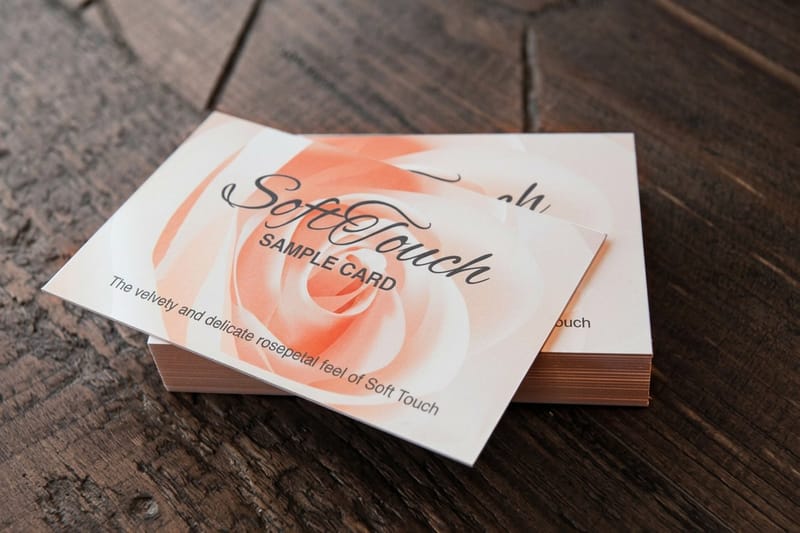
- Unique Textures: Using things like a soft-touch coating, embossed letters, or extra-thick cardstock makes your mailer feel premium and important.
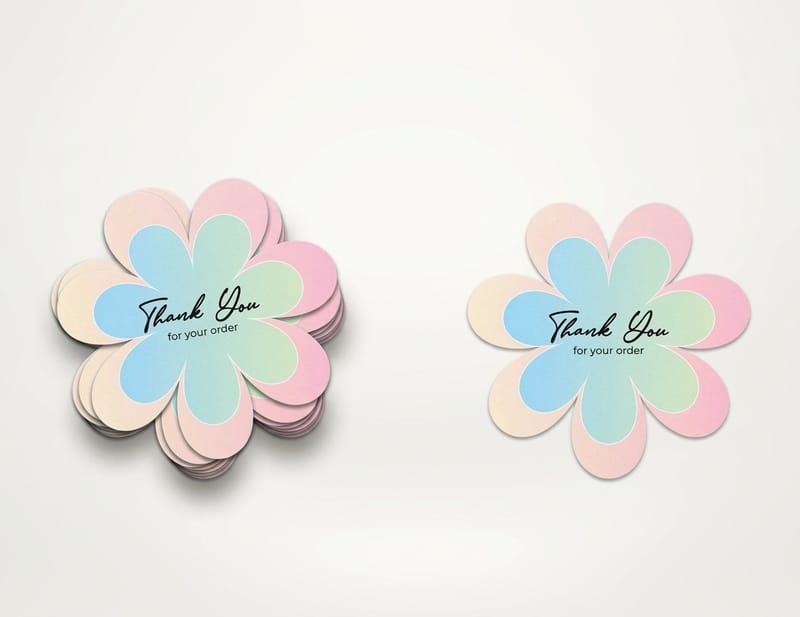
- Die-Cut Shapes: A mailpiece cut into a unique shape related to your business—like a house for a realtor or a coffee cup for a café—is visually striking and tells people what you do at a glance.
These creative touches do more than just get noticed. They signal quality and make the recipient feel like they’ve gotten something special. That positive emotional response is often the first step toward getting them to take a real, measurable action.
The Future of Direct Mail and Emerging Trends

If you think direct mail is stuck in the past, think again. It’s evolving fast by pairing up with some seriously powerful tech. The future of mail isn’t just about paper and ink anymore—it’s about smart data, slick automation, and campaigns that are more responsive than ever.
What we’re seeing is a shift away from broad, hope-for-the-best mailings. Marketers are now using predictive analytics and real-time behavioral triggers to send mail that lands with almost spooky relevance. This is a huge reason why direct mail response rates keep on climbing.
AI and Predictive Analytics in Mailing Lists
Artificial intelligence is one of the biggest game-changers for direct mail, hands down. AI algorithms can sift through massive amounts of data—purchase history, online browsing, demographic info—to predict which households are most likely to respond to an offer. This happens before a single piece even hits the printer.
This kind of predictive modeling is light-years beyond old-school list segmentation. It spots the subtle patterns and connections a human could never see, letting marketers build hyper-targeted mailing lists that are primed to convert. It's like having a crystal ball that points directly to your most profitable audience.
AI-driven personalization is expected to boost direct mail response rates by an additional 40% through hyper-targeted campaigns and customized messages. This data-first approach transforms mail from a broadcast medium into a precision instrument.
This focus on data is clearly working. Between 2020 and 2025, direct mail response rates have shown a steady and impressive climb, rising from 5.1% in 2020 to an estimated 7.5% in 2025. To dig deeper into the numbers, you can discover more insights about top direct mail statistics.
The Rise of Programmatic Direct Mail
Another huge trend is programmatic direct mail, which finally bridges the gap between what people do online and the marketing they get offline. Picture this: a customer is browsing a specific product on your website but clicks away without buying. In the past, you might send a follow-up email that gets buried.
With programmatic mail, that online action automatically triggers a physical mailpiece. A high-quality postcard featuring the exact item they were looking at can be printed and on its way to their home within 24 hours.
This technology allows for:
- Real-Time Triggers: Mail is sent based on specific actions, like abandoning a cart or downloading a whitepaper.
- Automated Journeys: It plugs right into marketing automation workflows, working alongside your digital touchpoints.
- Hyper-Relevant Messaging: The mail they get is tied to a specific, recent interest, making the message incredibly timely.
This automated, behavior-driven approach turns direct mail into a dynamic part of a multi-channel strategy. It ensures your physical mail lands at the moment of highest intent, seriously increasing its impact and boosting your campaign's overall punch.
Got Questions? We’ve Got Answers.
Jumping into direct mail can bring up a few practical questions. Let's tackle some of the most common ones about tracking, budgeting, and timing your campaigns to get the best response rates possible.
How Do I Accurately Track My Direct Mail Response Rate?
Knowing what works is everything, and that means attributing every single response correctly. Think of it like giving each campaign its own unique fingerprint so you know exactly which mailer brought in a lead or sale. The best tracking methods create a crystal-clear, measurable path from the mailbox to the action you want customers to take.
Here are a few proven ways to do this:
- Unique Promo Codes: Assign a special code to each mailer (like "SPRING25") so you can easily track redemptions.
- Dedicated Landing Pages (PURLs): Create personalized URLs (think YourSite.com/JaneDoe) that lead to a specific landing page just for that campaign.
- Custom Phone Numbers: Use a trackable number that forwards to your main line but logs every call that comes from that specific mailpiece.
- QR Codes: These scannable codes are a fantastic, frictionless way to bridge the physical-to-digital gap, sending people straight to your offer with zero typing involved.
What Is a Realistic Budget to Achieve a Good Response Rate?
There's no magic number here. The right budget depends on the quality of your list, how complex your mailer is, and your total volume. A much better way to frame this is to focus on cost-per-acquisition, not just the cost-per-piece.
Sure, investing more upfront in high-quality data and deep personalization will increase the cost per mailer, but it almost always delivers a much higher ROI. A cheap, generic campaign blasted out to a poor-quality list isn't saving money—it's just expensive trash.
How Long Should I Wait to Measure the Final Response Rate?
Patience is a virtue with direct mail. Unlike a digital click, responses don't all flood in at once. Most of the action will happen within the first two weeks after your mailer lands, but you'll see responses continue to trickle in for a month or even longer.
To get the full picture of your campaign's performance, you need to set a clear measurement window. A 45- to 60-day period is the industry standard to capture the vast majority of responses and calculate your final rate with confidence.
Ready to create direct mail that demands a response? At 4OVER4, we provide high-quality, customizable printing solutions to make your campaigns stand out. From vibrant postcards to personalized mailers, we have the tools to help you boost your results. Start your next project with us today!
More from direct mail response rates
10
When you hear "table tent specs," what we're really talking about are the foundational details for printing them correctly: the
Emma Davis
Jan 27, 2026
61
When you're ready to print a poster, one of the first questions you'll face is, "What size should it be?" The industry has a
Emma Davis
Jan 26, 2026
88
Picture this: you're at a networking event, and someone hands you their business card. You do the usual glance—name, title, company—an
Emma Davis
Jan 25, 2026
104
Believe it or not, figuring out how to make a card in Word is surprisingly easy. You can knock out everything from slick, professional busines
Emma Davis
Jan 24, 2026
104
Printing on packaging takes a simple container and turns it into one of your most powerful marketing tools. It’s the very first physical int
Emma Davis
Jan 23, 2026
326
When you're getting ready to print a flyer, one of the first questions you'll face is, "What size should it be?" The most co
Emma Davis
Jan 22, 2026
332
How Our Free Business Cards Program Works (Quick Overview) Free business cards are available through two different
Emma Davis
Jan 22, 2026
179
A QR code business card does more than just share your name and number; it cleverly merges your physical card with your digit
Emma Davis
Jan 21, 2026


