













10 Content Marketing Best Practices for SMBs in 2025

    user icon

    Emma Davis

    Content Writer

    Oct 11, 20251011 views

    Oct 11, 20251011 views

    10 Content Marketing Best Practices for SMBs in 2025

    Content marketing is no longer just about creating content; it's about creating the right content that connects, converts, and builds lasting relationships. For small and medium businesses, navigating the crowded digital landscape can feel overwhelming. You pour resources into blog posts, videos, and social media updates, only to see minimal engagement and a flat-lined ROI. The common assumption is that the solution is to produce more, but the real key isn't volume, it's precision and strategy.

    This guide moves beyond generic advice to provide a strategic blueprint of 10 essential content marketing best practices. We'll provide a clear roadmap to transform your efforts from content creation into a powerful growth engine. You will learn actionable techniques, from deeply understanding your audience's core needs to mastering data-driven optimization. Our focus is on ensuring every piece of content you produce delivers maximum impact, resonates with your target market, and drives tangible business results. Forget the fluff and prepare to implement strategies that work. This is how you stop guessing and start building a content program that consistently performs, builds authority, and fosters genuine customer loyalty.

    1. Create Audience-Centric Content

    The foundation of all successful content marketing best practices is a shift in perspective: from a brand-centric "what we want to say" approach to an audience-centric "what they need to hear" mindset. This means creating content that directly addresses the specific challenges, questions, and interests of your target audience, rather than just promoting your products or services. The goal is to provide genuine value, build trust, and establish your brand as a go-to resource.

    Create Audience-Centric Content

    This approach ensures your content resonates deeply, fostering a connection that guides potential customers through their journey. For example, HubSpot's blog and free tools don't just sell their software; they solve real marketing and sales problems, attracting their ideal customers by being genuinely helpful. Similarly, Moz’s "Whiteboard Friday" series demystifies complex SEO topics, positioning them as trusted experts in the field.

    How to Implement This Practice

    • Develop Detailed Buyer Personas: Go beyond basic demographics. Document your ideal customer's goals, daily challenges, and primary pain points. What keeps them up at night?
    • Conduct Audience Research: Use surveys, customer interviews, and social listening tools to gather direct feedback. Analyze support tickets and sales call notes to find recurring questions.
    • Map Content to the Customer Journey: Create specific content for each stage:
      • Awareness: Blog posts, infographics, and social media content that address top-of-funnel problems.
      • Consideration: In-depth guides, case studies, and webinars that compare solutions.
      • Decision: Product demos, free trials, and detailed FAQs that help close the deal.
    • Analyze Performance: Regularly review your content analytics to see which topics and formats generate the most engagement, and use that data to refine your strategy.

    2. Maintain Content Consistency and Quality

    One of the most crucial content marketing best practices is the dual focus on quality and consistency. This means establishing and adhering to high standards for every piece you publish, from accuracy and value to brand alignment. Simultaneously, it involves maintaining a predictable publishing schedule that keeps your audience engaged and signals to search engines that your site is an active, reliable resource.

    Maintain Content Consistency and Quality

    This disciplined approach builds credibility and audience loyalty over time. For instance, Neil Patel's blog consistently publishes long-form, data-driven articles, setting a clear expectation of value for his readers. Similarly, the Content Marketing Institute reinforces its authority by publishing high-quality industry insights on a daily basis, becoming a staple resource for professionals. This reliability turns casual visitors into a dedicated community.

    How to Implement This Practice

    • Develop a Comprehensive Style Guide: Document your brand's tone of voice, grammar rules, formatting preferences, and visual guidelines. This ensures every contributor produces content that feels cohesive.
    • Create a Content Calendar: Plan your content 3 to 6 months in advance. This helps you manage resources, maintain a steady flow of publications, and align content with key business initiatives.
    • Implement a Multi-Stage Editing Process: Establish a clear workflow, such as a self-edit, a peer review, and a final proofread. This systematic process catches errors and elevates the quality of every piece.
    • Use Content Templates: Create outlines or templates for common content formats like blog posts, case studies, or white papers. This streamlines production and maintains structural consistency.
    • Set a Realistic Publishing Cadence: Choose a frequency you can sustain long-term without sacrificing quality. Consistency is more important than sheer volume.

    3. Optimize for Search Intent and SEO

    Creating great content is only half the battle; it must also be discoverable. Optimizing for search intent and SEO is a critical content marketing best practice that ensures your valuable information reaches the right audience at the moment they are searching for it. This involves understanding why a user is searching (their intent) and structuring your content to perfectly match that need, while also adhering to technical and on-page SEO principles.

    Optimize for Search Intent and SEO

    This alignment is the key to ranking high in search results and driving qualified organic traffic. For instance, Backlinko’s comprehensive guides dominate competitive SEO terms by perfectly matching informational intent, while NerdWallet captures users with commercial and transactional intent by providing detailed financial product comparisons. The goal is to create the best possible answer for a user's query, making your content the obvious choice for search engines to rank first.

    How to Implement This Practice

    • Analyze Search Intent: Use keyword research tools like Ahrefs or SEMrush to understand the dominant intent for your target keywords. Is it informational ("how to create a budget"), commercial ("best budget apps"), or transactional ("buy budgeting software")?
    • Match Content Format to Intent: Create content that aligns with what’s already ranking. Informational queries often favor blog posts and guides, while commercial queries favor reviews and comparison pages. Transactional searches should lead directly to product or service pages.
    • Implement On-Page SEO: Naturally include your target keyword in the title tag, meta description, URL, and the first paragraph. Use related keywords and synonyms throughout the content to provide context.
    • Focus on E-E-A-T: Demonstrate Experience, Expertise, Authoritativeness, and Trustworthiness. This is especially crucial for topics that can impact a person's health or finances. Cite credible sources, feature author bios, and showcase customer testimonials. These elements, combined with effective marketing materials, build a powerful brand presence.
    • Optimize Technical Elements: Ensure your site is mobile-friendly, loads quickly, and uses proper header tags (H1, H2, H3) to structure content. Optimize images with descriptive alt text and compress file sizes to improve page speed.

    4. Leverage Multiple Content Formats and Repurposing

    Creating one high-quality piece of content requires significant investment; one of the most effective content marketing best practices is to maximize that investment by repurposing it. This involves taking a single, comprehensive piece of content, often called a "pillar" piece, and strategically deconstructing it into multiple formats for various channels. The goal is to reach different audience segments on their preferred platforms without starting from scratch each time, extending the lifespan and ROI of your original work.

    This strategy was famously popularized by Gary Vaynerchuk, who turns a single keynote speech into dozens of micro-content pieces like clips, quotes, and articles. Similarly, HubSpot excels at converting a single research report or webinar into a series of blog posts, infographics, and social media updates, ensuring their core message penetrates multiple layers of their audience.

    How to Implement This Practice

    • Start with a Pillar Piece: Create a substantial, value-packed piece of content as your foundation. This could be a comprehensive guide, a webinar, an in-depth video, or a podcast episode.
    • Develop a Repurposing Workflow: Map out how the pillar piece can be broken down. For instance, a webinar can become a blog post (from the transcript), a series of video clips for social media, an infographic visualizing key data, and a set of quote graphics. To effectively leverage diverse content types, Mastering Social Video Production can significantly enhance your content marketing efforts.
    • Adapt, Don't Just Copy: Tailor the repurposed content for each platform's native experience. A listicle from a blog post becomes a carousel on Instagram, while key statistics become a thread on X (formerly Twitter).
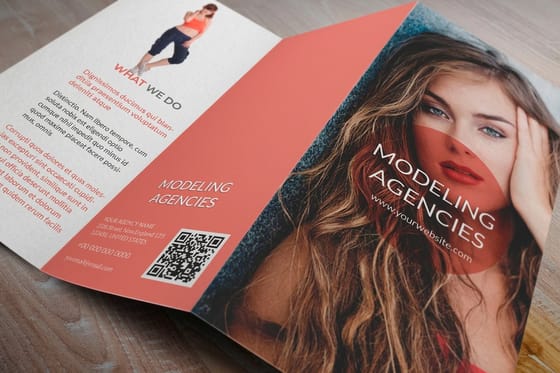
    • Bundle and Gate: Combine several related blog posts into a more comprehensive ebook or guide. This new, high-value asset can then be used as a lead magnet to capture email addresses. This approach also extends to physical formats; for example, a distilled version of a guide can be used for flyer printing to promote a webinar or event.

    5. Tell Compelling Stories and Use Emotional Connections

    One of the most powerful content marketing best practices is moving beyond facts and features to craft narratives that engage audiences on a human level. Storytelling transforms your content from a simple information broadcast into a memorable experience. It builds authentic connections by tapping into emotions, making your brand more relatable and your message more impactful. This practice ensures your content doesn't just inform, but also resonates and inspires action.

    This narrative approach is what makes content truly shareable and builds lasting brand loyalty. For example, Airbnb's "Belong Anywhere" campaign doesn't just list properties; it tells the stories of hosts and guests, creating a powerful sense of community and connection. Similarly, Patagonia builds its brand identity around stories of environmental activism, aligning its mission with the values of its customers and fostering a deeply loyal following.

    How to Implement This Practice

    • Adopt a Narrative Framework: Use proven storytelling structures like the "hero's journey" to frame your content. Position your customer as the hero who overcomes a challenge (the pain point) with your product or service acting as their guide.
    • Show, Don't Tell: Instead of stating that your product is effective, create a case study or a customer success story that demonstrates its impact through a real-world narrative. Use vivid details and sensory language to paint a clear picture for the reader.
    • Feature Real People: Authenticity is key. Share stories from your customers, employees, or community members. This adds a layer of credibility and humanity that stock photos and generic copy cannot replicate.
    • Connect Stories to Your Mission: Weave your brand's core values and mission into your storytelling. This helps your audience connect with what you stand for, not just what you sell. This emotional connection can even be conveyed in physical media; for instance, you can tell your brand's story through thoughtfully designed custom greeting cards for special events or customer appreciation.

    6. Provide Actionable Value and Educational Content

    One of the most effective content marketing best practices is to prioritize education over promotion. This means creating content that offers genuine, practical value your audience can apply immediately to solve a problem or improve a skill. By positioning your brand as a helpful teacher and trusted advisor, you build authority and goodwill that naturally leads to business, shifting the relationship from a transactional one to a partnership.

    This approach transforms your content from a simple advertisement into an indispensable resource. For example, HubSpot Academy offers comprehensive free certification courses that teach valuable marketing and sales skills, attracting their ideal customers by empowering them. Similarly, Moz’s legendary "Beginner's Guide to SEO" provides a complete education on a complex topic, cementing their status as industry leaders.

    How to Implement This Practice

    • Solve One Problem Thoroughly: Instead of broad overviews, create in-depth content that guides a user through solving a single, specific challenge from start to finish.
    • Provide Tangible Tools: Offer downloadable templates, checklists, worksheets, or calculators that help users put your advice into practice. This makes your content more memorable and useful.
    • Use Demonstrative Visuals: Incorporate screenshots, diagrams, and short video clips to show processes in action. Visuals are crucial for breaking down complex steps and improving comprehension.
    • Answer the 'What, Why, and How': Structure your educational content to first explain the concept (what it is), then its importance (why it matters), and finally, a step-by-step guide on how to implement it.

    7. Use Data-Driven Decision Making and Analytics

    Transitioning from "what we think works" to "what we know works" is a critical step in maturing your content strategy. This involves implementing a systematic approach to measuring content performance, analyzing user behavior, and using those insights to make informed decisions. Data-driven content marketing best practices replace guesswork with evidence, ensuring your efforts are continuously optimized for maximum impact and ROI.

    This approach allows you to understand precisely what resonates with your audience, which channels drive the most valuable traffic, and where users drop off in their journey. For example, Netflix famously uses viewing data to greenlight new shows and guide creative decisions, while BuzzFeed relentlessly A/B tests headlines and formats to maximize viral potential. This data-first mindset ensures resources are allocated to what truly performs.

    How to Implement This Practice

    • Establish Key Performance Indicators (KPIs): Start by defining 3-5 core metrics that align directly with your business goals. These could include conversion rates, time on page, lead quality, or customer lifetime value.
    • Set Up Analytics Tools: Configure tools like Google Analytics with specific goals and event tracking. This allows you to measure actions that matter, such as form submissions, downloads, or video plays.
    • Create a Performance Dashboard: Consolidate your most important metrics into a single dashboard for at-a-glance monitoring. This makes it easier to spot trends and share insights with stakeholders.
    • Conduct Regular Content Audits: Quarterly, review your content's performance to identify top-performing assets, underachievers, and content gaps. Use these findings to refine your editorial calendar.
    • Test and Optimize: Use A/B testing to experiment with one variable at a time, such as headlines, calls-to-action (CTAs), or content formats. Use heatmaps and session recordings to understand on-page user behavior.

    8. Build and Nurture Community Engagement

    Truly effective content marketing isn't a one-way broadcast; it's a two-way conversation. This best practice involves shifting from simply publishing content to actively fostering a sense of community around your brand. It means creating spaces where your audience can connect with you and, more importantly, with each other. The goal is to transform passive consumers into active, engaged participants who feel a genuine sense of belonging.

    This approach builds unparalleled brand loyalty and turns customers into advocates. For instance, Peloton masterfully integrates community features like leaderboards and high-fives to create accountability and connection among its members. Similarly, Sephora’s Beauty Insider Community serves as a hub for enthusiasts to share product reviews, tips, and inspiration, keeping customers deeply engaged with the brand ecosystem long after a purchase.

    How to Implement This Practice

    • Create Dedicated Community Spaces: Establish a branded Facebook Group, Slack channel, or Discord server where your audience can interact directly.
    • Encourage User-Generated Content (UGC): Run contests or create branded hashtags that motivate customers to share their own photos, videos, and stories related to your brand. Feature the best submissions and always give credit.
    • Be Responsive and Human: Commit to responding to comments and questions promptly, ideally within 24 hours. Use a personal, human tone and ask follow-up questions to stimulate deeper conversation.
    • Host Interactive Events: Schedule regular live Q&A sessions, webinars, or "Ask Me Anything" (AMA) events with experts or team members to provide direct value and real-time interaction.
    • Recognize Top Contributors: Publicly acknowledge and reward your most active community members to encourage continued participation and make them feel valued.

    9. Develop a Strong Brand Voice and Personality

    One of the most powerful content marketing best practices is to move beyond just what you say and focus on how you say it. Developing a strong brand voice means creating a distinctive, consistent personality that reflects your brand’s values and resonates with your target audience. This is the difference between content that informs and content that connects, building brand recognition and fostering a loyal community.

    Your voice is your brand's human element. It dictates whether your communication is professional and authoritative, playful and witty, or warm and empathetic. For instance, Innocent Drinks uses a playful, conversational tone that makes their brand feel approachable and fun, while Patagonia employs an activist-driven, authentic voice that reinforces their commitment to environmentalism. This consistency ensures your brand is immediately recognizable, no matter the platform.

    How to Implement This Practice

    • Define Core Voice Attributes: Choose 3-5 core characteristics that describe your brand's personality (e.g., expert, witty, empathetic). Create a brand voice chart detailing what each attribute looks and sounds like in practice.
    • Document with Do's and Don'ts: For each attribute, provide clear examples of on-brand and off-brand phrasing. This removes ambiguity for content creators.
    • Adapt for Different Channels: Define how your voice should be adjusted for various formats. For example, your tone might be more casual on social media than in a formal email newsletter, but the core personality should remain consistent. You can learn more about how to apply this to various print and digital formats on 4over4.com.
    • Train and Review: Ensure everyone who creates content, from marketers to customer service agents, understands and can apply the voice guidelines. Regularly review content before publishing to maintain consistency.

    10. Prioritize Distribution and Promotion Over Creation

    One of the most transformative content marketing best practices is to shift your focus from constant creation to strategic distribution. Many brands fall into the trap of producing endless content that nobody sees. The key is to adopt the "80/20 rule," popularized by figures like Derek Halpern, where 20% of your effort goes into creating great content and 80% is dedicated to ensuring it reaches the right audience.

    This approach maximizes the return on every piece you create. For example, Brian Dean of Backlinko doesn't publish often, but when he does, he executes a meticulous outreach and promotion plan that generates massive traffic and high-quality backlinks. Similarly, Buffer famously promotes each blog post across more than ten different channels, ensuring their valuable content gains the traction it deserves. This mindset turns content from a sunk cost into a strategic asset.

    How to Implement This Practice

    • Create a Promotion Checklist: Before you hit publish, have a standardized checklist of promotional tasks. This should include social media sharing schedules, email newsletter announcements, and outreach to relevant communities.
    • Leverage Influencer and Community Outreach: Identify and reach out to individuals, brands, or communities mentioned in your content or who have an interest in the topic. A simple heads-up can lead to valuable shares and mentions.
    • Repurpose and Syndicate: Don't let your content live in just one place. Repurpose a blog post into an infographic, a video, a LinkedIn article, or a Twitter thread to reach different segments of your audience on various platforms.
    • Use Paid Amplification Strategically: Invest a small budget to boost your best-performing organic content on social media. This targeted promotion ensures your proven winners reach a much wider, yet highly relevant, audience.

    Content Marketing Best Practices Comparison

    Strategy Implementation Complexity 🔄 Resource Requirements ⚡ Expected Outcomes 📊 Ideal Use Cases 💡 Key Advantages ⭐
    Create Audience-Centric Content High: requires deep audience research and ongoing updates High: data analytics, research tools, content planning Builds trust, higher engagement, improved conversions Brands focusing on long-term relationship and relevance Builds loyalty, better ROI, customer aligned
    Maintain Content Consistency and Quality Medium-High: editorial processes, content calendar Medium-High: team coordination, editing resources Strong brand recognition, audience trust, SEO benefits Teams aiming for reliable publishing & brand authority Reduces last-minute stress, consistent quality
    Optimize for Search Intent and SEO High: keyword research, technical SEO, ongoing updates Medium-High: SEO tools, technical skills Increases organic traffic, qualified visitors, visibility Businesses focused on sustainable organic growth Long-term traffic growth, discoverability
    Leverage Multiple Content Formats & Repurposing High: skills for multi-format creation, workflow setup High: diverse content teams, cross-platform tools Maximizes reach, ROI, reinforces messages Brands targeting multi-channel audiences Extends content lifespan, caters to preferences
    Tell Compelling Stories & Use Emotional Connections Medium-High: storytelling skill, authentic narratives Medium: creative resources, time for crafting Strong emotional bonds, higher sharing and loyalty Brands wanting differentiation and emotional impact Builds emotional connection, enhances memorability
    Provide Actionable Value & Educational Content High: requires expertise, deep content creation High: subject experts, resource development Establishes authority, lead generation, audience trust Thought leadership, educational marketing Tangible value, measurable ROI, trust building
    Use Data-Driven Decision Making & Analytics High: analytics setup, ongoing data interpretation Medium-High: analytics tools, expertise Informed decisions, optimized budget, measurable ROI Data-informed marketing strategies Reduces guesswork, continuous improvement
    Build and Nurture Community Engagement High: requires active management and engagement Medium-High: community tools, time investment Brand advocates, richer feedback, organic reach Brands seeking loyal, engaged audience Encourages loyalty, word-of-mouth, feedback loop
    Develop a Strong Brand Voice and Personality Medium: voice guidelines, training, and alignment Medium: documentation, training Distinctive brand recognition, emotional connection Brands needing clear communication style Differentiation, cohesive brand experience
    Prioritize Distribution and Promotion Over Creation Medium-High: multi-channel strategy, outreach, paid efforts High: budget for paid promotion, diverse skills Accelerated reach, traffic, compounding content value Brands aiming to maximize content visibility Maximizes reach, faster results, channel testing

    Putting These Practices into Action

    Navigating the landscape of modern digital marketing can feel overwhelming, but mastering these content marketing best practices provides a clear and powerful roadmap. We've explored the foundational pillars of a successful strategy, moving from the non-negotiable need for audience-centric content to the often-overlooked imperative of prioritizing distribution and promotion. Each principle, from leveraging multiple content formats to fostering genuine community engagement, works in concert to build a resilient and effective marketing engine for your business.

    The journey doesn't end here. The true value of these insights lies not just in understanding them, but in their consistent and thoughtful application. The difference between a content strategy that merely exists and one that truly thrives is the commitment to iterative improvement. You don't need to implement all ten practices overnight. Instead, identify the one or two areas that represent your greatest opportunities for growth. Is it refining your brand voice for greater impact, or perhaps diving deeper into analytics to make more data-driven decisions?

    Your Actionable Next Steps

    To transform this knowledge into tangible results, consider the following approach:

    • Conduct a Content Audit: Review your existing content against these best practices. Where are the gaps? Which pieces could be repurposed or better promoted?
    • Focus on One Core Improvement: Choose a single practice to master this quarter. For example, dedicate your efforts to building a comprehensive promotion checklist or developing more compelling, story-driven narratives.
    • Establish Key Metrics: For the practice you choose, define what success looks like. If you're focusing on SEO, track keyword rankings and organic traffic. If it's community engagement, monitor comments, shares, and user-generated content.

    Before diving headfirst into these tactics, ensuring you have a solid foundation is crucial. A deeper dive into understanding content marketing strategy can provide the high-level framework needed to connect these individual practices into a cohesive and goal-oriented plan. This strategic overview ensures that your efforts are aligned and purposeful.

    Ultimately, adopting these content marketing best practices is about more than just attracting traffic or generating leads; it's about building trust, establishing authority, and creating lasting relationships with your audience. By consistently delivering value, telling compelling stories, and engaging with your community, you create a loyal following that not only supports your business but champions it. This sustained effort is what turns a simple marketing function into a powerful engine for sustainable growth.


    Ready to bring your content marketing to life? 4OVER4 offers a full suite of high-quality printing services to create tangible marketing materials, from professionally bound guides and case studies to branded event collateral, that perfectly complement your digital strategy. Bridge the gap between your online content and offline impact by visiting 4OVER4 today.

    More from content marketing best practices

    The Definitive Guide to Table Tent Specs for Perfect Printing
    story
    The Definitive Guide to Table Tent Specs for Perfect Printing

    10

    When you hear "table tent specs," what we're really talking about are the foundational details for printing them correctly: the

    author avatarEmma Davis

    Jan 27, 2026

    Your Ultimate Guide to poster sizes inches: Standard Poster Sizes Explained
    story
    Your Ultimate Guide to poster sizes inches: Standard Poster Sizes Explained

    64

    When you're ready to print a poster, one of the first questions you'll face is, "What size should it be?" The industry has a

    author avatarEmma Davis

    Jan 26, 2026

    45+ Creative Ideas for the Back of a Business Card
    story
    45+ Creative Ideas for the Back of a Business Card

    88

    Picture this: you're at a networking event, and someone hands you their business card. You do the usual glance—name, title, company—an

    author avatarEmma Davis

    Jan 25, 2026

    How to Make a Card in Word for Pro Results
    story
    How to Make a Card in Word for Pro Results

    106

    Believe it or not, figuring out how to make a card in Word is surprisingly easy. You can knock out everything from slick, professional busines

    author avatarEmma Davis

    Jan 24, 2026

    Your Guide to Printing on Packaging That Captivates Customers
    story
    Your Guide to Printing on Packaging That Captivates Customers

    105

    Printing on packaging takes a simple container and turns it into one of your most powerful marketing tools. It’s the very first physical int

    author avatarEmma Davis

    Jan 23, 2026

    A Complete Guide to Flyer Size Dimensions for Perfect Printing
    story
    A Complete Guide to Flyer Size Dimensions for Perfect Printing

    332

    When you're getting ready to print a flyer, one of the first questions you'll face is, "What size should it be?" The most co

    author avatarEmma Davis

    Jan 22, 2026

    How Free Business Cards Actually Work (Updated for 2026)
    story
    How Free Business Cards Actually Work (Updated for 2026)

    332

    How Our Free Business Cards Program Works (Quick Overview) Free business cards are available through two different

    author avatarEmma Davis

    Jan 22, 2026

    Unlocking Networking with QR Code Business Cards
    story
    Unlocking Networking with QR Code Business Cards

    179

    A QR code business card does more than just share your name and number; it cleverly merges your physical card with your digit

    author avatarEmma Davis

    Jan 21, 2026

    Home
    Products
    Cart
    Account