


- Home
- content hub
- 7 Essential Small Business Branding Tips for 2025
7 Essential Small Business Branding Tips for 2025
Emma Davis
Content Writer
Aug 2, 2025585 views

In a crowded market, simply having a great product is not enough. Your brand is your promise to your customer; it is what sets you apart and turns one-time buyers into lifelong fans. For a small business, branding is not a luxury reserved for massive corporations; it is a fundamental strategy for survival and growth. It's the story you tell, the impression you make, and the loyalty you build. Effective branding creates an identity that resonates, builds trust, and commands attention even with a limited budget. A strong brand becomes your ultimate competitive advantage, influencing everything from customer perception to employee morale.
This guide moves beyond generic advice to deliver practical small business branding tips designed to be actionable and impactful. We will explore how to build a powerful brand identity that connects with your audience on a deeper level. You will learn specific strategies for defining your core message, crafting a compelling visual system, and leveraging tangible assets. We'll show you how high-quality printed materials, from business cards to custom packaging, can bring your brand to life in your customers' hands, making your presence unforgettable. Get ready to transform your business with these essential branding techniques.
1. Develop a Consistent Visual Identity System
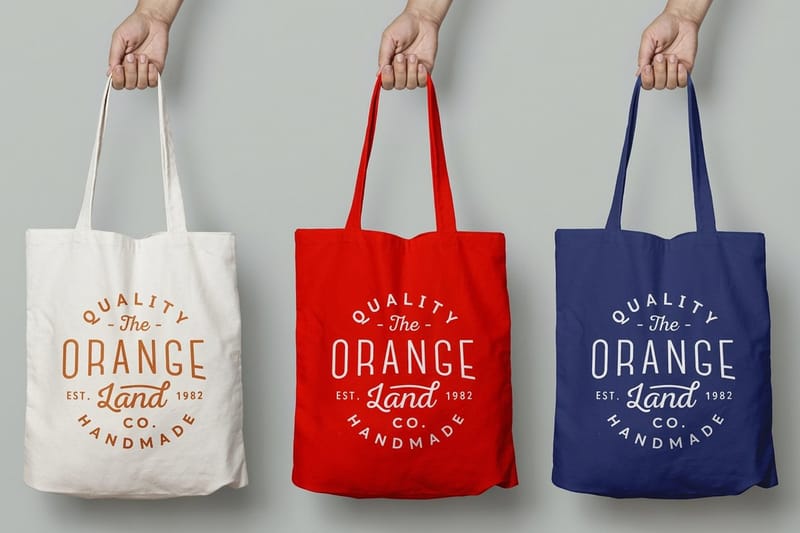
Your visual identity is the face of your brand. It’s the collection of visual elements, like your logo, colors, and fonts, that your customers see. A consistent visual identity system ensures that these elements are used uniformly across all your brand materials, creating a cohesive and instantly recognizable presence. This system is one of the most fundamental small business branding tips because it builds professionalism and trust. Think of it as your brand's official uniform; it should look the same on a business card, a social media post, or a large-format banner.

A strong visual system ensures every piece of communication reinforces the same professional image, from a simple thank you card to a complex trade show display. For example, Mailchimp's consistent use of its signature yellow and mascot, Freddie, makes its brand instantly familiar. Similarly, Warby Parker's clean, minimalist aesthetic is applied everywhere from its website to its retail stores, conveying a modern and sophisticated brand personality. This level of consistency makes a small business appear established and reliable.
How to Implement a Visual System
Getting started doesn't require a massive budget. The key is to make deliberate choices and document them.
- Establish Core Elements: Start by defining your primary logo, a secondary logo variation (like a simplified icon), a color palette (2-3 main colors is best), and primary and secondary fonts.
- Create a Style Guide: Document these rules in a simple one-page PDF. This guide should specify your official color codes (HEX, RGB, CMYK), font names, and rules for logo placement, like minimum size and clear space. This document becomes your brand's rulebook.
- Use Templates: To maintain consistency with ease, create templates for common marketing materials. This can be done with free tools like Canva or more advanced applications. When developing your visual identity, exploring various design and prototyping tools can be beneficial; for instance, consider leveraging resources like Framer's design and prototyping tools to experiment with different layouts and user interface concepts before finalizing your templates.
By applying this system to all your printed collateral, from letterheads and business cards to posters and flyers from a printer like 4OVER4, you ensure every touchpoint reinforces your brand's unique identity. This consistency is not just about looking good; it's about building equity and recognition in a crowded market.
2. Define Your Unique Value Proposition (UVP)
While a visual identity is the face of your brand, your Unique Value Proposition (UVP) is its soul. A UVP is a clear, concise statement that explains what makes your business different, how you solve a customer's problem, and why they should choose you over the competition. For small businesses, a powerful UVP is a critical tool for cutting through market noise. It answers the most fundamental question a potential customer has: "What's in it for me?" This is one of the most essential small business branding tips because it directly addresses customer needs and sets you apart from even the largest competitors.

A strong UVP focuses on tangible benefits and outcomes. Consider classic examples like FedEx: "When it absolutely, positively has to be there overnight." This promise isn't about their planes or logistics; it's about reliability and peace of mind for the customer. Similarly, Slack’s UVP, "Be more productive at work with less effort," highlights a direct benefit to the user’s daily routine. These statements are powerful because they are customer-centric, memorable, and make a clear promise that distinguishes the brand.
How to Implement Your UVP
Defining your UVP is a strategic exercise in understanding your customers and your unique strengths. It’s not just a slogan; it's the core of your messaging.
- Analyze Your Strengths: Start by completing this sentence: “Unlike our competitors, we uniquely offer ______.” This forces you to identify what truly sets you apart, whether it’s superior quality, unmatched customer service, or innovative features.
- Survey Your Customers: Your existing customers are a goldmine of information. Ask them directly why they chose you and what they value most about your product or service. Their language often reveals the true benefit you provide.
- Focus on Outcomes: Customers buy results, not features. Instead of saying you sell “high-resolution cameras,” say you help people “capture crystal-clear memories that last a lifetime.” Frame your value in terms of the positive change you create for your customer.
Once defined, your UVP should be front and center across all your marketing materials. It’s the perfect tagline for your custom business cards, the headline on your website, and the core message in your ads. A consistent UVP ensures every customer interaction reinforces why your brand is the best choice.
3. Build an Authentic Brand Story
Beyond logos and colors, your brand's heart lies in its story. Authentic brand storytelling is the art of weaving a narrative that connects your business's origins, values, and mission to your customers' emotions. For small businesses, this is a powerful tool. It allows you to compete with larger, more impersonal corporations by humanizing your brand and forging genuine connections. This is one of the most impactful small business branding tips because it transforms customers into advocates who don't just buy a product, but buy into a purpose.

Think about how this creates differentiation. TOMS Shoes built an empire not just on footwear, but on its "One for One" giving model, a story of social impact. Similarly, Patagonia's narrative of environmental stewardship and rugged adventure resonates deeply with its audience, making its products symbols of a lifestyle. Your story doesn't need to be world-changing; it just needs to be true. It’s the human element, the passion behind your work, that builds loyalty far more effectively than any discount ever could.
How to Craft Your Brand Story
Your story already exists; you just need to articulate it. Focus on authenticity over perfection, as pioneered by thought leaders like Simon Sinek, who famously urged businesses to "Start With Why."
- Define Your "Why": Go back to the very beginning. What was the problem you wanted to solve or the passion that drove you to start your business? This origin story is the foundation of your entire narrative.
- Embrace Vulnerability: Don’t be afraid to share the struggles and challenges you overcame. These moments of imperfection make your brand relatable and human. The journey is often more compelling than a flawless victory.
- Make the Customer the Hero: Frame your story around how your business helps customers overcome their own challenges. As Donald Miller outlines in his StoryBrand framework, your brand should act as the guide that helps the customer (the hero) succeed.
- Weave It Everywhere: Your story isn't just for your "About Us" page. It should be present in your social media content, email newsletters, and even printed materials like product inserts or brochures from a service like 4OVER4, which can share a brief version of your mission with every order.
4. Leverage Local Community Engagement
Building a brand isn't just an online activity; it's about creating real-world connections. Local community engagement involves actively participating in and supporting your immediate area through sponsorships, partnerships, and events. This hyper-local approach transforms your business from a simple storefront into a valued community member. This is one of the most powerful small business branding tips for brick-and-mortar companies because it fosters genuine loyalty and generates powerful word-of-mouth marketing that digital ads often can't replicate.

When customers see your brand supporting a local 5K race or sponsoring a little league team, they associate your business with positive community values. A local bookstore that hosts author readings becomes a cultural hub, not just a place to buy books. Similarly, a restaurant that proudly partners with nearby farms builds a narrative around freshness and local support. This strategy, popularized by companies like Starbucks that aimed to create a "third place" between home and work, establishes your business as an indispensable part of the neighborhood's fabric.
How to Implement Local Engagement
Authentic community involvement is about showing up and contributing meaningfully. It’s a long-term investment in your brand’s local reputation.
- Choose Relevant Sponsorships: Don't just sponsor any event. Pick opportunities that align with your brand's values and target audience. A fitness studio sponsoring a health fair makes more sense than sponsoring a tech conference.
- Forge Local Partnerships: Collaborate with non-competing local businesses on joint promotions. A coffee shop could offer a discount to customers of a nearby boutique, and vice-versa, strengthening both brands.
- Utilize Your Space: If you have a physical location, offer it for community meetings, workshops, or small events. This brings new people through your doors and positions you as a community-centric business.
- Think Hyper-Locally with Print: Use print marketing to make a direct impact in your neighborhood. For instance, you can use custom printed door hangers from 4OVER4 to promote a special neighborhood-only event or partnership, showing your commitment to the people right next door.
5. Focus on Exceptional Customer Experience
Your brand isn't just what you sell; it's the entire experience you provide. Customer experience branding means intentionally designing every single customer interaction to reflect and reinforce your brand's core values. For a small business, this is a powerful competitive advantage. While larger corporations often rely on standardized, impersonal service, you can offer personalized, memorable experiences that build deep-seated brand loyalty and turn customers into vocal advocates. This is one of the most impactful small business branding tips because it transforms a simple transaction into a lasting relationship.
An exceptional experience makes your customers feel seen, heard, and valued, creating an emotional connection that transcends price. The online shoe retailer Zappos built its entire brand on this principle, offering a 365-day return policy and empowering its customer service team to go above and beyond to solve problems. Likewise, the Ritz-Carlton hotel chain is famous for authorizing every employee to spend up to $2,000 to resolve a guest's issue, demonstrating a powerful commitment to satisfaction. These brands understand that how a customer feels is a critical part of their identity.
How to Implement Exceptional Customer Experience
Building a brand around customer experience requires a proactive and systematic approach. It’s about being intentional with every point of contact.
- Map the Customer Journey: Start by outlining every touchpoint a customer has with your business, from their first visit to your website to post-purchase follow-up. Identify key moments where you can enhance the experience, whether through clearer communication, a simpler checkout process, or a personalized thank you.
- Empower Your Team: Your employees are your brand ambassadors. Train them thoroughly on your brand values and give them the autonomy to make decisions that favor the customer. When your team feels trusted, they are more likely to deliver outstanding service.
- Listen and Adapt: Implement a robust system for gathering customer feedback, such as surveys or online reviews, and more importantly, act on the insights you receive. Use this data to continually refine and improve the customer journey, addressing pain points and doubling down on what works.
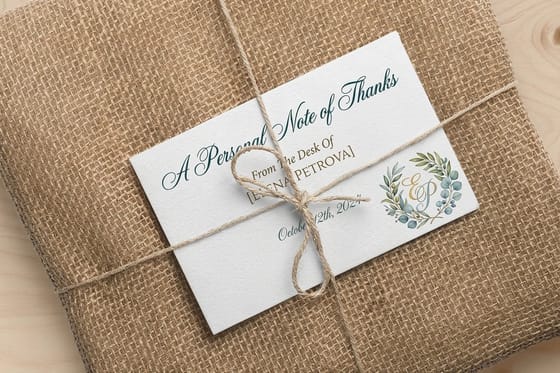
- Personalize the Follow-Up: Small, thoughtful gestures can leave a huge impression. A handwritten note included with an order or one of 4OVER4’s high-quality, custom thank you cards can make a customer feel uniquely appreciated and strengthen their connection to your brand.
6. Maximize Social Media Brand Personality
Your social media personality is how your brand's voice, tone, and values come to life online. It involves crafting a distinctive style that resonates with your target audience, making your business more human and relatable. For small businesses, this is a powerful branding tip because it allows you to build genuine connections and stand out from larger, more impersonal corporations. An authentic personality transforms your social feed from a simple advertising channel into a community hub.
Developing a clear personality helps you create content that your audience wants to engage with. For instance, the fast-food chain Wendy's became famous for its witty and sarcastic Twitter persona, a stark contrast to typical corporate communication. Similarly, Innocent Drinks uses a playful and charmingly naive tone across its platforms, reinforcing its brand identity. A local restaurant could achieve this by showcasing its kitchen staff or sharing daily specials with a friendly, neighborhood voice. This approach turns followers into loyal fans.
How to Define and Showcase Your Brand Personality
Building a memorable social media presence starts with a clear strategy, not just random posts. Consistency is key to making your personality feel authentic.
- Define Your Voice Traits: Start by choosing 3-5 core personality traits. Are you witty, inspiring, educational, or quirky? Document these and create simple guidelines for how they translate into your writing style and content choices.
- Prioritize Quality and Consistency: Focus on creating high-quality, valuable content rather than just posting frequently. A consistent posting schedule is important, but not at the expense of your brand's integrity.
- Engage with Your Community: Social media is a two-way street. Respond to comments and messages promptly to show you’re listening. Sharing user-generated content and customer stories is another excellent way to build community and trust.
This online personality can even bridge the gap between digital and physical marketing. For example, you could run a social media contest where the prize is a discount code featured on a professionally printed flyer, a great way to tie your online engagement to offline action. Explore how you can create eye-catching flyers from 4OVER4 to complement your digital campaigns. By aligning your online persona with all brand communications, you create a seamless and memorable customer experience.
7. Create Strategic Brand Partnerships
No business is an island. Strategic brand partnerships allow you to collaborate with complementary, non-competing businesses to expand your reach, share resources, and create mutually beneficial marketing opportunities. For a small business, this is a powerful branding tip because it allows you to access new, relevant audiences and gain credibility through association. It’s about finding a partner whose audience could benefit from your products or services, and vice versa, creating a win-win scenario for everyone involved.
This strategy adds value to your customer experience by introducing them to trusted resources. For example, a local fitness studio could partner with a nutritionist to offer joint wellness workshops, providing a more holistic service. Similarly, a coffee shop that partners with a beloved local bakery to sell fresh pastries instantly elevates its own offering. These collaborations build a community around your brand and show customers you are invested in providing comprehensive value.
How to Implement Strategic Partnerships
Effective partnerships are built on shared values and clear communication, not just audience overlap. Start small and build momentum.
- Identify Aligned Partners: Look for businesses that share your target audience and brand values but do not directly compete. Think about what other products or services your ideal customer uses.
- Define Clear Expectations: Before launching a collaboration, create a formal agreement. This document should outline each partner's responsibilities, promotional commitments, timelines, and how you will measure success (e.g., lead generation, sales, social media engagement).
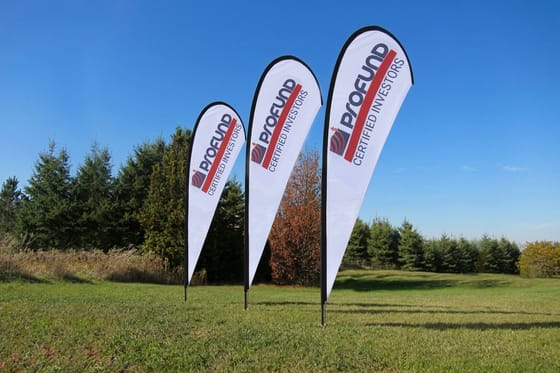
- Co-Create Valuable Offers: The partnership should produce something of unique value. This could be a co-hosted event, a bundled product offering, or a joint content series like a webinar. For live events or in-store promotions, co-branded materials like high-quality vinyl banners from 4OVER4 can create a professional and unified presence that amplifies the impact of your collaboration.
By choosing the right partners and executing thoughtfully, you can significantly grow your brand's authority and market presence without a massive increase in your marketing budget.
7 Small Business Branding Tips Comparison
| Strategy | Implementation Complexity 🔄 | Resource Requirements ⚡ | Expected Outcomes 📊 | Ideal Use Cases 💡 | Key Advantages ⭐ |
|---|---|---|---|---|---|
| Develop a Consistent Visual Identity System | Medium: Requires professional design and maintenance | Medium: Design tools, brand guidelines creation | High: Increased brand recognition, trust, cost savings on design | Businesses needing strong visual recognition and professionalism | Strong brand recall, reduces design costs, builds credibility |
| Define Your Unique Value Proposition (UVP) | Medium: Research and market testing needed | Low-Medium: Time for research/testing | High: Clear messaging, better conversion rates, pricing justification | Businesses needing differentiation in competitive markets | Clarifies messaging, guides decisions, improves conversions |
| Build an Authentic Brand Story | Medium-High: Requires crafting genuine narratives | Low-Medium: Content creation, storytelling skill | High: Emotional connection, customer loyalty, content for marketing | Brands emphasizing emotional engagement and authenticity | Creates loyalty, differentiates from faceless corporations |
| Leverage Local Community Engagement | Medium: Ongoing involvement and coordination | Medium: Time and budget for events and sponsorships | Medium: Local brand recognition, word-of-mouth, networking | Local businesses focused on community presence | Builds local customer base, cost-effective marketing |
| Focus on Exceptional Customer Experience | High: Ongoing training and management | High: Staff training, customer feedback systems | High: Increased loyalty, premium pricing, positive referrals | Service-oriented businesses prioritizing customer retention | Builds loyalty, justifies premium pricing, competitive moat |
| Maximize Social Media Brand Personality | Medium: Consistent content creation and engagement | Low-Medium: Time for posting and response | Medium-High: Engagement, relationship building, viral potential | Brands leveraging social media for personality and engagement | Cost-effective marketing, direct customer relations |
| Create Strategic Brand Partnerships | Medium-High: Partner vetting and coordination | Medium: Time and effort to manage partnerships | High: Extended reach, shared costs, new revenue streams | Businesses seeking expanded audience via collaboration | Expands reach, builds credibility, shares marketing workload |
Bringing Your Brand to Life
Embarking on the journey of building a brand is one of the most exciting and critical endeavors for any small business owner. It’s a process that transforms a simple commercial enterprise into a living, breathing entity with a distinct personality, a clear purpose, and a loyal following. The seven foundational strategies we’ve explored are not just individual tactics; they are interconnected pillars that support a powerful and resilient brand identity.
From the foundational work of establishing a consistent visual identity and a unique value proposition to the more nuanced arts of storytelling and community engagement, each tip serves a vital function. Mastering your visual system ensures you are instantly recognizable, while defining your core promise tells customers exactly why they should choose you. Building an authentic story creates an emotional connection, and engaging your local community roots your brand in a tangible, supportive environment.
Translating Strategy into Action
The true test of any brand strategy lies in its execution. The most brilliant ideas remain abstract until they are brought into the real world. This is where consistency becomes your most valuable asset. The personality you cultivate on social media must align with the customer experience you deliver in person. The partnerships you form should reflect the core values embedded in your brand story.
Effective execution requires meticulous organization. Managing a brand involves juggling countless assets, from logos and color codes to content calendars and campaign timelines. To effectively bring your brand to life, robust organization and planning are crucial. Tools like Notion can provide versatile workspaces for managing brand assets, content calendars, and project tasks. Explore various Notion templates for efficient brand management to streamline your branding efforts and ensure every element stays perfectly aligned.
The Lasting Power of Tangible Branding
In our increasingly digital world, the power of a physical brand touchpoint cannot be overstated. A well-designed business card, a vibrant brochure, or a striking piece of custom packaging creates a multi-sensory experience that digital ads simply cannot replicate. These tangible items are not just marketing materials; they are physical manifestations of your brand’s quality and commitment. They are what customers hold, feel, and remember long after they’ve closed their browser tab.
Implementing these small business branding tips is a marathon, not a sprint. It requires dedication, a willingness to listen, and the courage to be authentic. By consistently applying these principles across every facet of your business, from your digital presence to your printed collateral, you build more than just a customer base. You cultivate a community of advocates who believe in your mission and champion your success. Your brand is your promise, and delivering on it, consistently and beautifully, is the ultimate key to lasting growth.
Ready to bring your visual identity to life with stunning, professional quality? Explore the vast range of printing solutions at 4OVER4. From business cards that make a powerful first impression to banners that command attention, we provide the tools you need to build a brand that endures.
More from small business branding tips
10
When you hear "table tent specs," what we're really talking about are the foundational details for printing them correctly: the
Emma Davis
Jan 27, 2026
61
When you're ready to print a poster, one of the first questions you'll face is, "What size should it be?" The industry has a
Emma Davis
Jan 26, 2026
88
Picture this: you're at a networking event, and someone hands you their business card. You do the usual glance—name, title, company—an
Emma Davis
Jan 25, 2026
104
Believe it or not, figuring out how to make a card in Word is surprisingly easy. You can knock out everything from slick, professional busines
Emma Davis
Jan 24, 2026
104
Printing on packaging takes a simple container and turns it into one of your most powerful marketing tools. It’s the very first physical int
Emma Davis
Jan 23, 2026
326
When you're getting ready to print a flyer, one of the first questions you'll face is, "What size should it be?" The most co
Emma Davis
Jan 22, 2026
332
How Our Free Business Cards Program Works (Quick Overview) Free business cards are available through two different
Emma Davis
Jan 22, 2026
179
A QR code business card does more than just share your name and number; it cleverly merges your physical card with your digit
Emma Davis
Jan 21, 2026


