
- Home
- content hub
- Your Guide to the Print On Demand Business Model
Your Guide to the Print On Demand Business Model
Emma Davis
Content Writer
Sep 17, 2025386 views

Picture this: you've opened an online shop selling custom t-shirts, mugs, and art prints. The orders are rolling in, but here's the kicker—you've never touched a single piece of inventory, packed a box, or made a trip to the post office.
That’s the magic of the print on demand business model. It's an e-commerce strategy where you sell products that are only created after a customer makes a purchase.
How the Print On Demand Model Works

Think of the print on demand (POD) model as a bridge connecting your creative vision to a tangible product, but without the headache and financial risk of stocking inventory. You're the brand architect; your POD partner is the factory that brings your blueprints to life, one order at a time.
This hands-off approach to fulfillment is what makes it so powerful. You focus on what you do best: creating killer designs, building your online store, and getting the word out. When a customer buys a t-shirt from your site, that order zips over to your supplier automatically. From there, they take care of everything else.
This partnership frees you up to work on the creative and strategic side of your business. The whole workflow really breaks down into three simple parts:
- You (The Seller): Your job is to dream up unique designs, build a compelling brand, and connect with your target audience through marketing.
- Your E-commerce Store: This is your digital storefront—the place where customers fall in love with and buy your products.
- Your POD Partner (The Supplier): They handle all the physical stuff: printing, packing, and shipping the final product directly to your customer.
To give you a clearer picture, let's break down how this modern approach stacks up against the old-school way of doing things.
Print On Demand at a Glance
| Concept | Print On Demand Model | Traditional Retail Model |
|---|---|---|
| Inventory | No upfront inventory. Products are made to order. | Requires large upfront investment in bulk stock. |
| Risk | Very low financial risk. You only pay after a sale. | High financial risk. Unsold inventory becomes a loss. |
| Fulfillment | Handled entirely by your POD partner. | You are responsible for storage, packing, and shipping. |
| Product Variety | Easy to test hundreds of designs and products. | Limited by budget and warehouse space. |
| Startup Costs | Minimal. Primarily design and marketing expenses. | Significant. Includes inventory, warehousing, and staff. |
As you can see, the POD model flips the traditional retail script, removing some of the biggest hurdles for new entrepreneurs.
Who Is This Business Model For?
While print on demand isn't a one-size-fits-all solution, its flexibility is incredible. It’s a perfect fit for anyone who wants to turn their creativity into cash without a huge initial investment. A key question for any new venture is "does my small business really need an eCommerce website?", and with POD, the answer is an emphatic yes. Your website is the heart of your brand.
It has quickly become the go-to model for:
- Artists and Designers: A way to sell their art on everything from canvases to hoodies without managing production.
- Content Creators and Influencers: An easy path to offer branded merch to their followers and build a stronger community.
- Entrepreneurs: A low-risk way to test a new business idea or product line before going all-in.
- Niche Marketers: The perfect tool for serving passionate communities (think dog lovers or vintage car buffs) with designs they can't find anywhere else.
At its core, the print on demand model is about making e-commerce accessible to everyone. It tears down the old barriers like inventory costs and shipping logistics, allowing anyone with a great idea to launch a brand.
The industry's explosive growth is proof. The global print on demand market was valued at $6.33 billion in 2023 and is projected to skyrocket to $43.25 billion by 2033. This surge is fueled by shoppers who want unique, personalized products that big-box retailers just can't offer. You can find more data on these trends in the latest report from Precedence Research.
This whole system runs on technologies like https://www.4over4.com/printing/category/digital-printing, which makes printing single, high-quality items both fast and affordable.
How the Print On Demand Process Works Step by Step
The real magic of the print on demand model is its simple, automated workflow. It’s like having a dedicated production and shipping team on standby, ready to turn your designs into real products without you ever having to see a roll of packing tape. Let's walk through an order's journey from click to delivery to see how it all comes together.
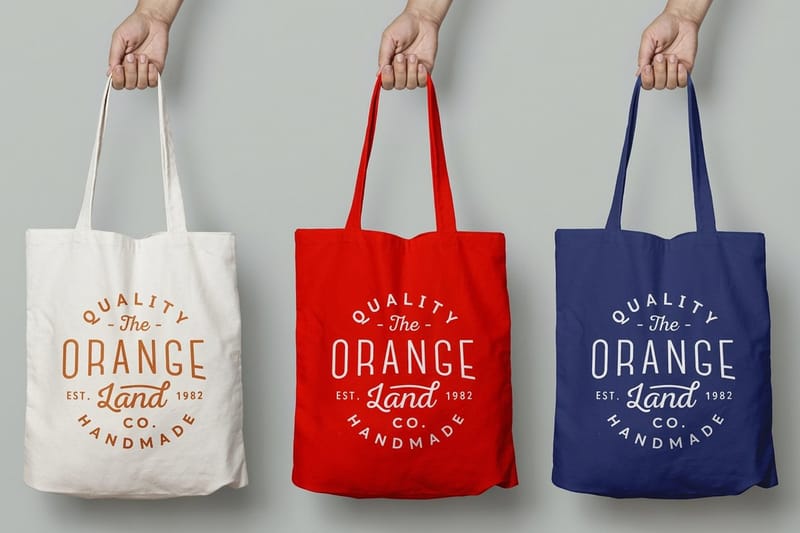
It always starts with a great idea. You, the creator, come up with a design and upload it to your print on demand partner's platform. From there, you use their tools to see how your design looks on different blank products—maybe a t-shirt, a tote bag, or a phone case. Once you're happy with the digital mockup, you add it to your online store for sale.
The Customer Places an Order
The whole system springs to life the second a customer hits the "buy" button on your site. They've discovered a design they love, added it to their cart, and paid for it. The only thing you need to do? Check your email for that sweet "You've made a sale!" notification.
After that, automation takes the wheel. The order details—what they bought, the design, and where it's going—are instantly and automatically zapped from your ecommerce store over to your POD supplier. This digital handshake happens in the background, so you don't have to lift a finger to process the order.

The Supplier Fulfills the Order
Once your partner gets the order, their team gets down to business. This is where your digital design becomes a physical product. Here’s a quick look at what happens behind the scenes:
- Product Picking: First, someone grabs the specific blank product from the warehouse—say, a medium black cotton t-shirt.
- Printing: Next, the t-shirt heads to the printing station. Your design is applied using professional tech like direct-to-garment (DTG) printing or maybe even embroidery, depending on the item.
- Quality Control: The freshly printed item gets a thorough once-over to make sure the design is sharp, the colors are right, and the product is flawless.
- Packaging and Shipping: Finally, the finished product is packed up, often with your own branding if you’ve set that up, and shipped directly to your customer.
The best part? You're only charged for the product and shipping after the customer has already paid you. That gap between what the customer paid you and what your supplier charged you is your profit. It’s that simple.
Here’s the bottom line: The print on demand process handles the most tedious parts of running an online store for you. It completely removes the headaches of inventory, production, and shipping.
This hands-off system lets you pour your energy into what actually grows your business: creating amazing new designs, marketing your brand, and connecting with your audience. The entire physical side of the operation is handled by the pros.
And for those looking to offer next-level personalization, you can even explore advanced methods like variable data printing to create truly one-of-a-kind items for your customers.
Finding Your Niche and Designing Products That Sell

A great print on demand store isn't built on a foundation of random designs. It’s built on a deep connection with a specific audience. Before you even touch a color palette or a font library, you have to answer the most important question: who are you actually selling to?
This is where your niche comes in. Think of it as your dedicated corner of the market. Instead of trying to sell generic "funny t-shirts" to the entire internet, you focus on something specific, like "funny t-shirts for accountants who love cats." This kind of focus makes your products feel like they were made just for your customer, and it makes your marketing a whole lot easier.
How to Uncover a Profitable Niche
Finding the right niche is part detective work and part gut feeling. You're searching for a passionate group of people who are being underserved by what's currently available. The best place to start is often with your own hobbies and interests—if you're passionate about it, chances are others are too.
From there, you can start digging deeper with a few strategies:
- Scout Social Media Trends: Dive into subreddits, Facebook groups, and TikTok hashtags. Look for active communities, inside jokes, and running themes that could be translated into incredible designs.
- Explore E-commerce Marketplaces: Browse sites like Etsy and Amazon to see what’s already selling well. But don't just look at the bestsellers; look for the gaps. What are people asking for that no one is offering?
- Use Keyword Research Tools: Tools like Google Trends can give you a peek into what people are searching for. Is there a growing interest in "retro gaming" or "urban gardening"? Data can help validate your creative instincts.
Ultimately, success comes down to finding winning products that truly click with your target audience. It's about figuring out what people want, sometimes before they even know they want it.
Creating Designs That Connect and Convert
Once you’ve locked in your niche, your designs need to speak its language. A design that resonates with yoga instructors will probably fall flat with classic car enthusiasts. Your mission is to create something that makes a potential customer stop and think, "Wow, that was made for me."
This is where personalization becomes your secret weapon. The demand for custom products is one of the biggest drivers of the entire print on demand industry. In fact, around 36% of customers now expect some level of personalization, and nearly half (48%) are willing to wait longer for a custom-made item. This is a massive opportunity to offer something unique that big-box retailers simply can't.
Here’s a simple game plan for approaching the design process:
1. Find Your Inspiration
Look for inspiration within your niche. What kind of humor do they share? What art styles are popular? Pinterest and Instagram are visual goldmines for this kind of research. Just remember, the goal is to get inspired, not to copy.
2. Choose Your Design Tools
You don't have to be a professional graphic designer to create fantastic products.
- DIY with User-Friendly Tools: Platforms like Canva have simple drag-and-drop interfaces that make it easy to create text-based designs or combine simple graphics.
- Hire a Freelance Designer: If your idea is a bit more complex, sites like Fiverr or Upwork are filled with talented designers who can bring your vision to life without breaking the bank.
3. Develop a Cohesive Brand Style
Your products should look like they belong in the same family. Whether your style is minimalist, vintage, or bold and colorful, staying consistent helps build a recognizable brand that people will remember and come back to.
Key Takeaway: The most successful print on demand products are born from a deep understanding of a specific audience. A well-chosen niche clarifies your design process, sharpens your marketing, and makes your products infinitely more desirable.
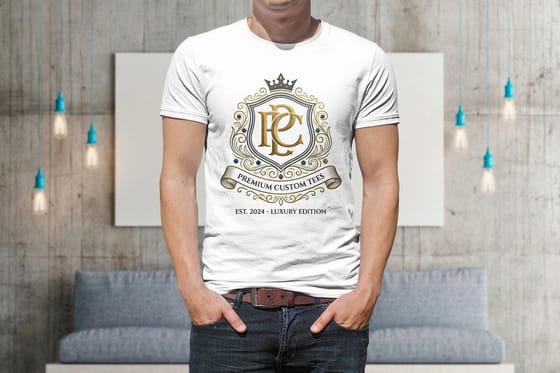
This strategy applies to all sorts of items, but it's especially true for apparel. You can learn more about creating designs that pop by checking out our guide on t-shirts printing. After all, a great t-shirt is more than just clothing; it's a statement.
Choosing the Right Platform for Your POD Store
So, you've nailed down your niche and have some killer design ideas brewing. The next big question is: where will your brand actually live online? This isn't a small decision. The platform you choose will shape everything from your creative freedom and profit potential to how you find your customers.
You've really got two main paths you can go down. Each one offers a different mix of control, convenience, and brand ownership.
One option is to sell on an established print on demand marketplace. Think of places like Redbubble or Society6. This is kind of like setting up a booth in a massive, bustling flea market—the crowds are already there.
The other path is building your own independent store. This means using an ecommerce platform like Shopify and connecting it to a POD supplier like Printful or Printify. This is more like building your own standalone boutique on a busy street.
Let's dig into which path makes the most sense for what you're trying to build.
POD Marketplaces vs. Your Own Store
This isn't about which option is "better," but which is a better fit for you. It's a classic trade-off: do you want immediate access to customers, or do you want total control over your brand?
A marketplace can be a fantastic starting point. It solves two of the biggest headaches for new entrepreneurs: building a website and getting traffic. Customers are already swarming these sites every day. Your job is to upload your designs and get found. The trade-off? You'll face a ton of competition and your profit margins will be thinner.
Building your own store is how you create a real, sustainable brand. You're in the driver's seat for the entire customer experience—from your website's design to your marketing emails. This gives you much better profit margins and a direct line to your customers, but it also means you are 100% responsible for bringing every single visitor to your digital doorstep.
To make this crystal clear, here’s how the two approaches stack up against each other.
POD Marketplaces vs. Your Own Store
Choosing where to sell your designs is a foundational step. This table breaks down the key differences to help you decide whether the built-in audience of a marketplace or the total control of your own store aligns with your business goals.
| Feature | POD Marketplaces (e.g., Redbubble) | Own Store + Integrations (e.g., Shopify + Printful) |
|---|---|---|
| Setup Effort | Low. Just create an account and start uploading your designs. | Medium. Involves setting up a store, picking a theme, and connecting apps. |
| Traffic Source | Built-in. The marketplace brings its own massive audience. | Self-generated. You're responsible for all traffic via SEO, ads, social media, etc. |
| Brand Control | Limited. You're one of many sellers on a platform you don't own. | Total Control. You dictate the website, customer data, and brand experience. |
| Profit Margins | Lower. The platform takes a hefty cut of every sale. | Higher. You set your own prices and keep a much larger slice of the revenue. |
| Customer Data | None. The marketplace owns the customer relationship and all their data. | Full Access. You collect emails and can build a loyal customer list over time. |
At the end of the day, a marketplace gets you in the game faster, but your own store lets you build a business that is truly yours.
How to Set Up Your Independent Store
If the idea of building a standalone brand gets you excited, this is the path for you. It's more work upfront, for sure, but it gives you a solid foundation to grow your print on demand business model from a side hustle into a real enterprise.
Here's a quick look at the major steps involved:
1. Pick Your Ecommerce Platform
This is the home base for your online store. Platforms like Shopify, WooCommerce, or BigCommerce give you the tools to build a beautiful, professional website without ever touching a line of code. Shopify is a fan favorite for beginners because it's so intuitive and has a huge app store.
2. Choose and Connect a POD Supplier
Next, you'll choose your fulfillment partner. Companies like Printify or Printful offer apps that plug directly into your ecommerce platform. This connection is the secret sauce—it automates the whole process, so when a customer places an order, it goes straight to your supplier without you lifting a finger.
This step is absolutely critical. Your supplier is your partner, and their quality is your reputation. Always, always order samples to check the print quality, the feel of the products, and how long shipping takes before you start selling to the public.
3. Upload Designs and Create Products
With your store and supplier connected, you get to the fun part. You'll upload your design files into your POD supplier's system. Their tools let you see your art on hundreds of different products—from t-shirts and hoodies to mugs and posters—and create realistic mockup photos for your website.
4. Set Your Prices and Go Live
For every product you create, your supplier will show you their base cost. Your job is to set a retail price high enough to cover that cost, shipping, and your other expenses, while still leaving you with a healthy profit. Once you've set your prices and written some great product descriptions, you can push them live to your store and officially open for business.
Marketing Your Store and Getting Your First Sales

Getting your store live is a huge moment, but it's just the starting line. Now comes the real challenge: getting your amazing designs in front of the people who will actually buy them. A successful print on demand business model hinges on smart marketing that pulls in traffic and convinces visitors to click "buy."
The good news? You don't need a huge budget to make a splash. Your biggest assets are your unique creative vision and a deep understanding of your audience. The game is all about getting the right eyeballs on your products without emptying your wallet, and that begins with looking like a pro.
Master Your Visuals with Mockups and Samples
In the world of online shopping, your product photos are your storefront. Since you aren't sitting on a pile of inventory, killer visuals are absolutely non-negotiable. This is where mockups and real-world photos make all the difference.
Start with High-Quality Mockups: Your POD partner will have mockup generators that digitally place your designs onto clean, professional-looking product photos. Use these to create a polished and consistent look across your entire store. Think of this as your brand's baseline.
Order Samples for Original Content: This is easily the best marketing investment you can make right out of the gate. Mockups are fine, but nothing sells a product like seeing it in the real world. A t-shirt on an actual person or a coffee mug on a kitchen counter builds a level of trust and helps customers imagine owning your product.
Ordering samples means you can create unique photos and videos that no competitor can copy. Suddenly you have a library of original content for social media, product pages, and email newsletters, which instantly sets you apart from the sea of stores using the same generic images.
The moment you switch from supplier-generated mockups to original photography is the moment your store transforms from a simple POD shop into a legitimate brand. It signals quality and authenticity to your customers.
Leverage Social Media Visually
Print on demand products are visual by nature, which makes platforms like Instagram, Pinterest, and TikTok your best friends for free marketing. The key is to stop thinking like a salesperson and start acting like a content creator.
Focus on building a community around your niche's interests. If you're selling apparel for book lovers, your feed shouldn't just be an endless scroll of t-shirts. It should be a celebration of reading—cozy reading nooks, favorite quotes, and relatable bookworm humor. Your products should feel like a natural part of that world, not a constant advertisement.
Here’s a simple game plan to get you started:
- Choose Your Platform: Don't try to be everywhere at once. Pick one or two platforms where your ideal customers hang out and go all-in there.
- Create Lifestyle Content: Use your samples to shoot photos and videos that tell a story. Show your products in action and create a vibe that your audience connects with.
- Use Niche-Specific Hashtags: Dig deeper than generic tags. Instead of
#tshirt, use highly specific tags your customers are actually searching for, like#darkacademiaaestheticor#dogmomlife. - Engage Authentically: Jump into the conversation! Respond to comments, ask your followers questions, and be an active member of the community. People buy from brands they feel a connection with.
Plant the Seeds with Foundational SEO
Search Engine Optimization (SEO) is a marathon, not a sprint, but the work you do on day one pays off big time down the road. The goal is simple: when someone searches on Google for something you sell, you want to show up. You don't need to be an SEO wizard to get the basics right.
Start with your product titles and descriptions. Put yourself in your customer's shoes—what would they type into the search bar? A title like "Cat Shirt" is forgettable. A title like "Funny Introvert Cat T-Shirt for Book Lovers" is descriptive and packed with keywords.
Weave those relevant keywords naturally into your product descriptions. Talk about the design, the feel of the material, and who it would be the perfect gift for. This not only boosts your SEO but also gives customers the details they need to make a confident purchase. And while SEO handles your digital footprint, don't underestimate the impact of tangible branding. You might even explore physical marketing materials, like postcards or stickers, to slip into packages or hand out at local events to forge a real-world connection.
Taking Your POD Business to the Next Level
Getting your store up and running is a huge first step, but it's really just the starting line. The real magic of print on demand happens when you start scaling—turning those early wins into a brand that has real staying power. Scaling isn't about grinding yourself into the ground; it's about making smart moves to expand your reach and reinvest your profits.
Once you've got some consistent sales rolling in, a great way to grow is to thoughtfully expand what you offer. Dig into your sales data. What designs are people actually buying? If you have a t-shirt that's flying off the virtual shelves, that's your cue. Why not put that same killer design on a hoodie, a tote bag, or a coffee mug? You're essentially giving your proven winners more ways to shine.
Reinvesting for Serious Growth
As your profits start to climb, putting some of that cash back into marketing is how you pour fuel on the fire. Organic social media is fantastic when you're starting out, but paid ads on platforms like Facebook and Instagram are a game-changer. They let you zero in on your perfect customer with surgical precision. This is the difference between hoping people find you and building a reliable system that brings in sales.
Beyond advertising, don't shy away from trying out new design ideas or even dipping your toes into related niches. Spreading your creative wings like this not only protects your business from becoming a one-trick pony but also opens up entirely new ways to make money. By constantly testing new styles and themes, you keep your brand exciting for both loyal fans and new customers.
The secret to smart scaling is letting your data lead the way. Treat your sales analytics like a treasure map—it shows you exactly what your customers want and where you should focus your energy next.
What's Next for Print On Demand?
The world of print on demand is always changing, thanks to new tech and what customers have come to expect. And it's not just changing—it's exploding. The industry is on an incredible growth path, projected to skyrocket from USD 10.21 billion in 2024 to a staggering USD 102.99 billion by 2034. For a deeper dive into these numbers, Precedence Research has some fantastic insights.
Artificial intelligence (AI) is leading the charge. AI design tools are making it incredibly easy for anyone to create stunning, unique artwork, which means more people can jump into the game. But AI isn't just for design; it's also making the back-end of production faster and more automated, allowing for personalization on a massive scale. To stay competitive, you'll want to get comfortable with these tools. They can help you make better products and run a much smoother operation. As you grow, you might even look into unique physical items like custom promotional products to build an even stronger brand identity.
Got Questions? We've Got Answers
Jumping into any new business venture is bound to bring up a few questions. Let's tackle some of the most common ones that pop up for entrepreneurs exploring the print on demand world.
What’s the Real Startup Cost?
This is where print on demand truly shines. Forget the days of needing thousands of dollars to buy inventory. Since you don't purchase a product until you've already made a sale, the upfront investment is incredibly low.
Your main costs will be setting up shop—think a platform like Shopify which can run you about $30/month—and any design tools you might use. It's entirely possible to get your business off the ground for less than $100.
Is Print on Demand Just Another Name for Dropshipping?
That’s a great question, and it's a point of frequent confusion. The easiest way to think about it is that print on demand is a specialized type of dropshipping.
Let’s break it down:
- Standard Dropshipping: You’re essentially a middleman, selling someone else’s existing products. You're selling a generic widget that anyone can sell.
- Print on Demand (POD): You’re selling your own unique designs printed on products. The t-shirt or mug itself might be standard, but the final product is completely unique to your brand because it features your creative work.
POD gives you a level of brand ownership and creativity that you just don't get with generic dropshipping.
How Much Can I Actually Expect to Make?
Your profit potential boils down to two key things: your pricing and your marketing. You only pay the supplier their base cost for an item after a customer buys it from you. Your profit is simply the difference.
A good target to aim for is a profit margin somewhere between 20% and 40%. So, if you sell a t-shirt for $25 and the supplier's base cost (including shipping) is $15, you pocket $10. That's a healthy 40% margin right there. The real key to a significant income is figuring out how to scale those sales through great marketing.
Ready to bring your creative vision to life? 4OVER4 provides the high-quality, customizable printing solutions you need to build a standout brand. From vibrant marketing materials to unique product samples, our tools and expertise are here to help you succeed. Explore our extensive printing services and start creating today!
More from print on demand business model
10
When you hear "table tent specs," what we're really talking about are the foundational details for printing them correctly: the
Emma Davis
Jan 27, 2026
61
When you're ready to print a poster, one of the first questions you'll face is, "What size should it be?" The industry has a
Emma Davis
Jan 26, 2026
88
Picture this: you're at a networking event, and someone hands you their business card. You do the usual glance—name, title, company—an
Emma Davis
Jan 25, 2026
104
Believe it or not, figuring out how to make a card in Word is surprisingly easy. You can knock out everything from slick, professional busines
Emma Davis
Jan 24, 2026
104
Printing on packaging takes a simple container and turns it into one of your most powerful marketing tools. It’s the very first physical int
Emma Davis
Jan 23, 2026
326
When you're getting ready to print a flyer, one of the first questions you'll face is, "What size should it be?" The most co
Emma Davis
Jan 22, 2026
332
How Our Free Business Cards Program Works (Quick Overview) Free business cards are available through two different
Emma Davis
Jan 22, 2026
179
A QR code business card does more than just share your name and number; it cleverly merges your physical card with your digit
Emma Davis
Jan 21, 2026


