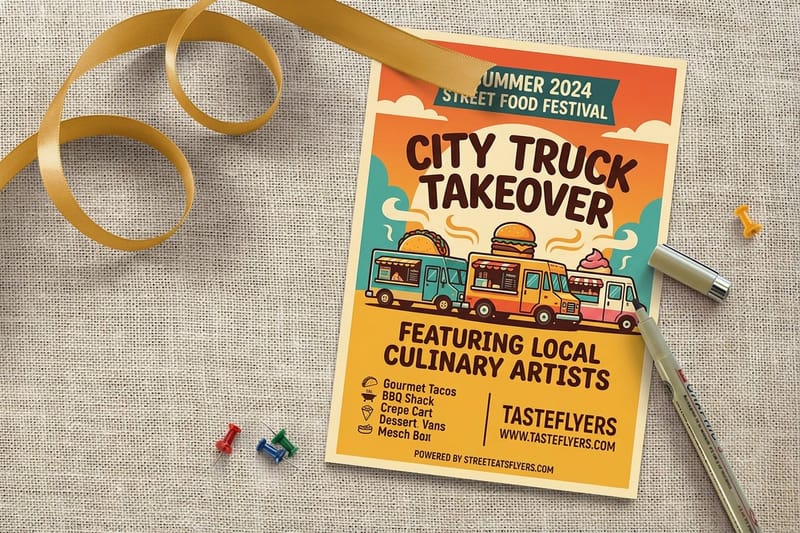
A Guide to Large Format Printing Services

    user icon

    Emma Davis

    Content Writer

    Jul 1, 20251105 views

    Jul 1, 20251105 views

    A Guide to Large Format Printing Services

    When you hear the term large format printing, think professional printing on a massive scale. Instead of dealing with standard paper sizes like you would at home, these services use specialized, industrial-grade equipment to create huge graphics like banners, posters, and even vehicle wraps.

    Understanding the Power of Going Big

    Image

    It helps to imagine the difference between your home office printer and a professional large format machine. Your desktop unit is perfect for A4 documents, reports, and memos. In sharp contrast, large format printers—often called wide-format printers—are beasts built to handle materials measured in feet, not inches.

    But this isn't just about making things bigger; it's about making a bigger impact. These services give businesses and creatives the power to produce visuals that are simply impossible to ignore, turning everyday surfaces into powerful communication platforms.

    To give you a clearer picture, here's a quick rundown of what makes large format printing unique.

    Large Format Printing at a Glance

    Characteristic Description
    Scale Prints are measured in feet, not inches, far exceeding standard paper sizes.
    Equipment Uses industrial-grade wide-format printers with advanced ink technologies.
    Materials Works with a huge variety of media, from vinyl and fabric to rigid boards and adhesives.
    Impact Designed to capture attention from a distance and make a bold statement.
    Application Ideal for advertising, branding, events, and architectural graphics.

    As you can see, this is a whole different world from standard printing. It opens up a new playbook for getting your message seen.

    What Makes It So Different?

    The real distinction is in the equipment and the final product. These printers use technologies like advanced inkjet or latex systems to apply ink onto massive rolls of material or directly onto rigid surfaces like foam board or PVC. This setup allows for continuous printing on enormous lengths of media, something a standard printer could never do.

    The whole point of large format printing is to create high-resolution graphics that stay sharp and vibrant, even when you're looking at them from across a room. This takes a special touch in both design and production to avoid blurry, pixelated results.

    Think about it: a banner for a trade show has to be crisp enough to grab someone's attention from across a crowded hall. A storefront window graphic needs to be vivid and clear to pull people in off the street. Each job needs the right mix of material, ink, and print quality to do its job effectively.

    Key Applications and Uses

    Because it's so versatile, large format printing is a must-have for all kinds of marketing and branding efforts. From temporary event signs to permanent architectural features, the possibilities are practically endless.

    Here are just a few common examples:

    • Event and Trade Show Graphics: This covers everything from pop-up banners and fabric backdrops to custom-printed tablecloths and flooring.
    • Retail and In-Store Displays: Think point-of-purchase signs, wall murals, window clings, and floor decals that direct customers and highlight promotions.
    • Outdoor Advertising: Tough, weather-resistant materials are used to create stunning billboards, construction site barriers, and building wraps. You can learn more about durable materials by exploring options for printing vinyl banners made for the outdoors.
    • Vehicle Wraps: These turn cars, trucks, and buses into mobile billboards that generate thousands of views every single day.

    Ultimately, these services offer a real, tangible way to cut through the visual noise of our world and make your message stand out.

    Choosing the Right Materials for Your Project

    The success of your large format project really comes down to one crucial choice that has nothing to do with the design itself—the material. Think of it like building a house; you wouldn't use drywall for the roof. The same idea applies here. The substrate you pick directly impacts the final look, durability, and overall punch of your print.

    This choice is a careful balance of function, environment, and the look you're going for. A material that looks stunning indoors might fade, tear, or warp in just a few days if you stick it outside. That's why getting to know the properties of each option is so critical before you get started.

    Matching Materials to Your Goals

    The first big question to ask is: where will this print live? Is it destined for the great outdoors, facing down sunlight, wind, and rain? Or will it be viewed up close in a controlled space like an office lobby or a trade show booth?

    For instance, a tough, weather-resistant vinyl is the gold standard for outdoor banners. It's built to stand up to moisture and UV rays, ensuring your message stays bright and intact for the long haul. On the other hand, for indoor displays where you need a professional, non-glare finish, other materials get their chance to shine.

    The right material doesn't just help your print survive its environment; it actually enhances its message. A high-end finish whispers quality and professionalism, while a rugged material screams durability and strength.

    To get a better sense of how these pieces fit together, it helps to look at the main advantages of large format printing services.

    The infographic below breaks down the core benefits, showing how things like high visibility, customization, and cost-effectiveness all work in concert.

    Image

    This really drives home that the goal isn't just a big print. It's a smart investment designed to hit specific business goals, and it all starts with laying the right material foundation.

    Common Materials and Their Best Uses

    Let's ground this in some real-world examples to see how it plays out. Each material has its own unique mix of trade-offs between appearance, longevity, and price.

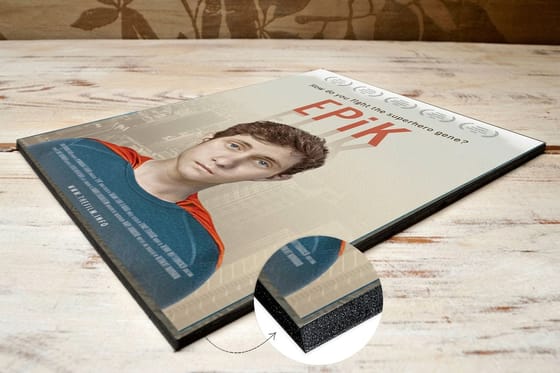
    • Foam Board/Foam Core: This stuff is incredibly lightweight yet rigid, making it perfect for indoor jobs like conference signs, presentation visuals, and mounting artwork. Its smooth surface delivers fantastic print quality for crisp, high-resolution graphics. Because it looks so professional, you can find tons of uses with foam core printing for business presentations and corporate events.

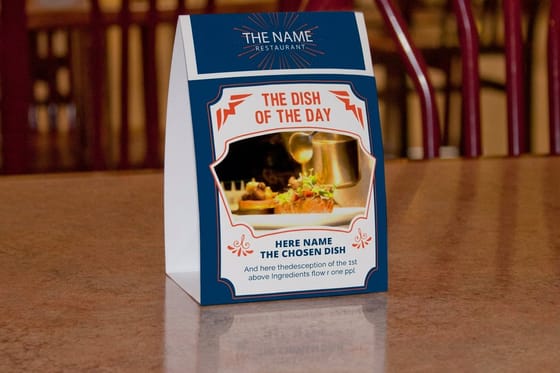
    • Rigid PVC (Sintra): A solid step up in toughness from foam board, rigid PVC is a plastic sheet that resists dents, scratches, and moisture. This makes it an excellent choice for long-term indoor signage, menu boards, and point-of-purchase displays that will see a lot of handling.

    • Fabric: When you're setting up for a trade show, fabric is a game-changer. It’s light, a breeze to transport, and gives you a sophisticated, glare-free finish that looks incredible under those bright convention center lights.

    • Adhesive Vinyl: This is the chameleon of large format printing. It’s used for everything from massive wall murals and window graphics to floor decals and even full vehicle wraps. You can get different adhesives too, whether you need something permanent, temporary, or easy to reposition.

    Ultimately, taking the time to pick the right substrate is what ensures your investment pays off. You'll end up with a final product that not only looks amazing but performs exactly how you need it to.

    How Businesses Use Large Format Printing

    Image

    The real magic of large format printing services happens when you see them out in the wild. It’s one thing to talk about printers and materials, but it’s another to see how businesses are using these massive visuals to completely transform physical spaces, grab attention, and get actual results. From bustling retail storefronts to sprawling construction sites, the applications are as creative as they are effective.

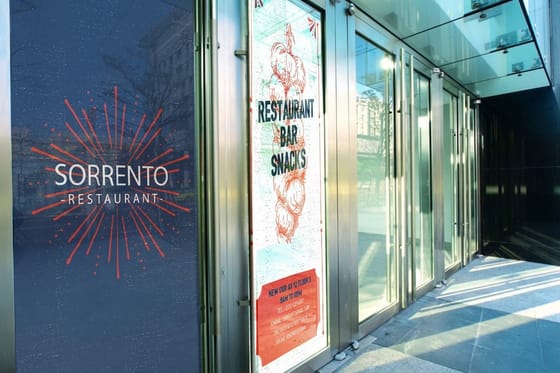
    Imagine a local restaurant trying to pull more people in off the street. By installing a set of vibrant, professionally printed window graphics that show off its most delicious dishes, it can literally stop people in their tracks. Those graphics become a 24/7 salesperson, turning a simple window into an irresistible invitation. It's no wonder so many businesses are looking for captivating window display ideas to draw customers inside.

    This kind of versatility is exactly why the printing world is booming. The global printing industry is projected to hit around $960 billion in 2025, and large format printing is a massive piece of that pie, especially when it comes to durable outdoor advertising.

    Transforming Spaces and Events

    Events and brick-and-mortar locations are the perfect canvas for large format printing. With the right graphics, even the most generic trade show booth can become an immersive brand experience that people remember.

    • Custom Backdrops and Banners: A seamless, floor-to-ceiling fabric backdrop with your branding printed in sharp detail makes a booth instantly recognizable from clear across a crowded convention hall.
    • Directional Floor Graphics: Why just point when you can lead? Durable, non-slip floor decals can create an interactive and fun path right to your location.
    • Branded Table Throws: A custom-printed tablecloth instantly elevates a plain folding table into a polished, professional welcome station.

    When used together, these pieces create a cohesive and memorable environment. We’ve put together a whole guide on custom trade show products that can help you make a serious impact at your next event.

    The goal isn't just to fill space; it's to control the narrative of that space. Large format printing gives you the tools to create an atmosphere that reflects your brand's quality and message from every angle.

    Turning Assets into Advertisements

    Smart businesses know that their existing assets can double as powerful marketing tools. For example, a construction firm can take all that unsightly chain-link fencing around a job site and turn it into a massive branding opportunity with printed mesh banners. These wraps don't just hide the mess; they advertise the company's work to thousands of people who pass by every day.

    Vehicle wraps are another brilliant example. They turn company cars, vans, and trucks into mobile billboards that work for you around the clock. A single wrapped vehicle can generate tens of thousands of views per day, building brand recognition across an entire city for a one-time investment. It's a strategic way to turn a functional necessity into a constant, moving advertisement.

    The Strategic Benefits of Thinking Big

    So, why should your business even think about large format printing? It’s not just about making your logo bigger. It's about using scale to get real results. In a world where we’re all drowning in digital ads on tiny screens, a massive, brilliantly printed graphic doesn’t just get a glance—it commands attention.

    That immediate visual power is the first major win. Picture a packed trade show floor or a busy downtown street. A towering banner or a gorgeous window wrap doesn't just get noticed; it sticks in your memory. This kind of high visibility is a massive boost for brand recall, making sure people remember you long after they've walked away.

    But the perks go much deeper than just catching a few eyeballs. A professionally produced large format print gives off a powerful vibe of quality and permanence.

    Building Trust Through Professionalism

    When a potential customer sees a crisp, vibrant graphic that’s installed perfectly, it sends a strong message without saying a word. It tells them your brand is established, confident, and cares about the details. That perception of professionalism is huge for building instant credibility and trust.

    A flimsy, faded banner can actively hurt your brand’s image. On the flip side, a high-quality, durable print is like a silent promise of your company's high standards, showing everyone you’re committed to excellence.

    This is a key reason why so many businesses invest in top-notch printed materials for their storefronts, reception areas, and major events. The right print makes your brand look its absolute best when it counts the most.

    Achieving a Strong Return on Investment

    While the upfront cost might look bigger than some other ad options, large format prints often deliver an incredible return over the long haul. A big piece of that is their durability. We're talking about materials like UV-cured inks on weather-resistant vinyl, designed to look great for months or even years outdoors. This makes them a smart, cost-effective tool for any sustained marketing campaign.

    Think about these long-term advantages:

    • Longevity: A one-time investment in something like a vehicle wrap or a building sign keeps advertising for you 24/7, for years on end.
    • Cost-Effectiveness: When you do the math on the cost per impression over the print's entire lifespan, it frequently beats digital ads.
    • Versatility: Many large format pieces, like pop-up displays, are built to be used again and again, giving you great value across multiple events and promotions. You can see how this applies to a wide range of custom marketing materials.

    The numbers back this up. The large format printing market is expected to hit $9.88 billion by 2025, climbing from $9.58 billion in 2024, driven by just how effective it is in advertising and packaging. You can discover more insights about these market trends on OpenPR. This kind of growth proves that more and more businesses see these prints for what they are: lasting assets, not just one-off expenses.

    Finding the Best Printing Partner

    Image

    The final quality of your project often hinges on the people running the printer. Picking the right provider for your large format printing services is a lot like choosing a co-pilot; their skills, tech, and communication can make the difference between a smooth flight and a seriously bumpy landing. You’re not just looking for a vendor to push buttons—you need a genuine partner.

    A great first step is to dig into their portfolio. Look for work that mirrors your project in both scale and complexity. Do their past projects, whether they’re banners, wall murals, or vehicle wraps, show crisp details, vibrant colors, and clean finishing? This visual proof is your first and best clue about their commitment to quality.

    Vetting Their Technical Capabilities

    Once you’ve seen what they can do, it’s time to look under the hood. The equipment a print shop uses has a direct, undeniable impact on the final product. Don't be afraid to ask some pointed questions to get a feel for their technical chops.

    Here are a few things you’ll want to know:

    • Equipment and Technology: What kind of printers are they running? Modern machines using UV-cured or latex inks are the gold standard, offering far better durability and color vibrancy.
    • Material Selection: A true partner won’t just hand you a list. They should have a wide range of materials and be able to clearly explain the pros and cons of each one for your specific job.
    • Color Matching: This one is huge. Ask about their color management process. Do they use a system like Pantone Matching (PMS) to guarantee your brand colors are reproduced with pinpoint accuracy?

    Choosing a printing partner is about more than just finding the lowest price. A reliable provider who invests in quality equipment and processes will save you from costly mistakes and reprints down the line, ensuring your brand is always presented professionally.

    Assessing the Human Element

    Beyond the fancy machines and rolls of vinyl, you’ll find the most important part of any print shop: the people. The way a company handles customer service, proofing, and simple communication will ultimately define your entire experience. A great partner is a guide, helping you navigate the technical stuff to get a flawless result.

    Before you commit to anything, make sure you understand their workflow. A reputable printer will always send a digital proof for you to approve. For projects where color is absolutely critical, some will even provide physical samples. That proofing stage is your last line of defense against mistakes.

    Finally, clear communication is completely non-negotiable. Your contact should be responsive, easy to get ahold of, and happy to answer your questions. This kind of collaborative relationship is what separates a forgettable transaction from a true partnership that nails it every single time.

    Preparing Your Design Files for Printing

    A brilliant idea can fall flat if the design file isn't set up correctly for print. When you send a file that isn't print-ready, you’re rolling the dice on blurry results, weird colors, and maybe even a costly reprint. But don’t worry—a few simple steps will make sure your vision translates perfectly from your screen to the final massive print.

    Think of your digital file as the blueprint for your project. Just like a builder needs precise measurements to construct a house, a printer needs specific information to build your graphic without a hitch. This all starts with getting the colors right.

    From Screen Colors to Print Colors

    Your computer screen uses the RGB (Red, Green, Blue) color model. It's built for light, which is why designs look so vibrant and bright on a monitor. Printers, on the other hand, run on the CMYK (Cyan, Magenta, Yellow, Black) model because they use ink, not light.

    If you design in RGB, the final print will almost always look different—and often duller. To avoid any nasty surprises, always set up and export your final design files in CMYK. This gives you a much more accurate preview of how the colors will actually appear on paper, ensuring your vibrant red doesn't turn into a disappointing maroon.

    Resolution and Safety Zones

    Next up is clarity. Resolution, measured in DPI (dots per inch), is all about how sharp your image will be. For something small that people see up close, like a business card, you need a high resolution—think 300 DPI. But for a massive banner that’s viewed from across the street, 100-150 DPI is usually more than enough. Sending a low-resolution file is a surefire way to get a pixelated, blurry mess.

    Think of bleed as a ‘safety zone’ for your design. It’s a small, extra margin of your background that extends beyond the final cut line, ensuring there are no accidental white edges after trimming.

    Finally, you need to think about bleed and trim areas. The trim line is the exact spot where the final print will be physically cut. To prevent tiny imperfections like a white sliver along the edge, your background should extend about 1/8th of an inch past this line. That extra bit is the bleed. At the same time, you'll want to keep important text and logos away from the edge to create a safe zone, so nothing important gets accidentally sliced off.

    And if your design has a unique contour or shape, it's worth looking into how custom die-cutting works to make sure your files are set up properly for those specialized cuts.

    Got Questions About Large Format Printing? We've Got Answers.

    Even after you're sold on the benefits, you probably still have a few practical questions before pulling the trigger on large format printing services. It’s completely normal. This section is here to give you clear, straightforward answers to help you get started and know what to expect.

    How Much Should I Expect to Pay for Large Format Printing?

    There really is no one-size-fits-all answer here. The final price tag boils down to three big things: the material you pick, how big the final print needs to be, and how many you’re ordering. For instance, a classic vinyl banner will always be easier on the wallet than a custom-cut sign or a full vehicle wrap that needs a team of pros to install it.

    The best way to get a real number is to ask for a detailed estimate from your print provider. A good printer will give you a quote that breaks everything down—materials, printing, and any special finishing or installation work—so you know exactly where your money is going.

    That level of transparency is a tell-tale sign of a partner you can trust.

    What's the Typical Turnaround Time?

    Like pricing, the timeline depends on the job's complexity and how busy the print shop is. Simple projects, like a handful of posters or a standard banner, can often be turned around in just 2-4 business days.

    More complex jobs, however, need a bit more time baked into the schedule.

    • Custom Die-Cut Signage: These can take 5-7 business days because of the precision cutting involved.
    • Full Vehicle Wraps: You're often looking at a week or more. This process isn't just printing; it includes laminating the material for durability and the meticulous, hands-on installation.

    The golden rule? Talk about your deadline with your provider right from the start. This ensures everyone is on the same page and they can realistically hit your target date.

    Can I Get a Proof Before Everything Is Printed?

    Yes, and you absolutely should insist on it. Any print shop worth its salt will send you a digital proof, which is usually just a PDF file, for you to sign off on before the presses start rolling. This is your moment to be the hero who catches a typo or a design flaw.

    For projects where the color has to be just right, you can also ask for a physical proof. Sometimes called a "hard proof" or "press proof," it's a small sample printed on the actual material you've chosen. It might cost a little extra, but for making sure your brand colors are perfect, it's worth every penny.


    Ready to see your big ideas in the real world? 4OVER4 has a huge selection of high-quality large format printing options to make your brand impossible to ignore. From eye-popping banners to sleek, professional signage, we have the know-how to deliver results that get people talking. Explore our large format printing services and start your project today!

    More from large format printing services

    How to Stick a Poster on a Wall Without Any Damage
    story
    How to Stick a Poster on a Wall Without Any Damage

    10

    Want to know the real secret to getting a poster to stick to a wall without it peeling off in the middle of the night? It's all about what

    author avatarEmma Davis

    Jan 28, 2026

    The Definitive Guide to Table Tent Specs for Perfect Printing
    story
    The Definitive Guide to Table Tent Specs for Perfect Printing

    22

    When you hear "table tent specs," what we're really talking about are the foundational details for printing them correctly: the

    author avatarEmma Davis

    Jan 27, 2026

    Your Ultimate Guide to poster sizes inches: Standard Poster Sizes Explained
    story
    Your Ultimate Guide to poster sizes inches: Standard Poster Sizes Explained

    86

    When you're ready to print a poster, one of the first questions you'll face is, "What size should it be?" The industry has a

    author avatarEmma Davis

    Jan 26, 2026

    45+ Creative Ideas for the Back of a Business Card
    story
    45+ Creative Ideas for the Back of a Business Card

    97

    Picture this: you're at a networking event, and someone hands you their business card. You do the usual glance—name, title, company—an

    author avatarEmma Davis

    Jan 25, 2026

    How to Make a Card in Word for Pro Results
    story
    How to Make a Card in Word for Pro Results

    122

    Believe it or not, figuring out how to make a card in Word is surprisingly easy. You can knock out everything from slick, professional busines

    author avatarEmma Davis

    Jan 24, 2026

    Your Guide to Printing on Packaging That Captivates Customers
    story
    Your Guide to Printing on Packaging That Captivates Customers

    108

    Printing on packaging takes a simple container and turns it into one of your most powerful marketing tools. It’s the very first physical int

    author avatarEmma Davis

    Jan 23, 2026

    A Complete Guide to Flyer Size Dimensions for Perfect Printing
    story
    A Complete Guide to Flyer Size Dimensions for Perfect Printing

    373

    When you're getting ready to print a flyer, one of the first questions you'll face is, "What size should it be?" The most co

    author avatarEmma Davis

    Jan 22, 2026

    How Free Business Cards Actually Work (Updated for 2026)
    story
    How Free Business Cards Actually Work (Updated for 2026)

    337

    How Our Free Business Cards Program Works (Quick Overview) Free business cards are available through two different

    author avatarEmma Davis

    Jan 22, 2026

    Home
    Products
    Cart
    Account