Table of Contents
- Home
- content hub
- How to Plan Corporate Events Like a Pro
 Share and earn
How to Plan Corporate Events Like a Pro

Sep 30, 2025552 views
Sep 30, 2025552 views
So, you're planning a corporate event. It's easy to get lost in the details—the catering, the guest list, the venue—but let’s pump the brakes for a second. The absolute first move, before a single dollar is spent or a single email is sent, is to figure out why you're even doing this. That "why" is your compass, and it's going to guide every single decision you make from here on out.
Setting Clear Goals for Your Corporate Event

Before you even think about booking a venue or drafting an invitation, you have to nail down the purpose of your event. If you don't, you're just throwing a party and hoping for the best. Moving past vague ideas is the only way to create a gathering that actually delivers tangible value.
For example, "team building" is a nice idea, but it’s not a goal. A real, powerful goal sounds more like this: "Improve cross-departmental collaboration by 25% as measured by post-event surveys." Now that's a strategic foundation. It tells you where to spend your money, what kind of content to create, and what success actually looks like.
The Power of the SMART Framework
There’s a reason the SMART framework has been around forever—it just works. It’s a simple tool that forces you to transform fuzzy concepts into concrete, measurable outcomes. This is non-negotiable when you need to prove the event's ROI to the higher-ups later.
Here’s how it applies directly to event planning:
- Specific: Get granular. Instead of "increase brand awareness," try "secure media mentions in 10 industry-specific publications."
- Measurable: How will you prove it worked? Track the number of qualified leads, a specific percentage increase in employee morale, or a target number of social media impressions.
- Achievable: Be honest about what you can pull off with your current resources. Planning for 1,000 attendees on a shoestring budget is a recipe for disaster.
- Relevant: Make sure the event goal lines up with the company's bigger picture. If the C-suite is obsessed with customer retention, an event focused on client appreciation and education is a perfect fit.
- Time-bound: Give yourself a deadline. "Generate 50 new sales leads by the end of the third quarter."
A well-defined goal acts as your North Star throughout the entire planning process. When you're faced with a decision—like choosing between two caterers or allocating budget for a keynote speaker—you can ask, "Which option gets us closer to our primary objective?"
To make this crystal clear, here’s how you can turn generic ideas into powerful SMART goals for different types of events.
Event Goal Planning Framework
| Event Type | Generic Goal | SMART Goal Example |
|---|---|---|
| Product Launch | Get the word out. | Secure 25 articles and 10 podcast mentions in top-tier industry media within 30 days of the event. |
| Sales Kick-Off | Motivate the sales team. | Increase Q1 sales pipeline by 15% by providing advanced product training and team-building workshops, measured 90 days post-event. |
| User Conference | Make customers happy. | Achieve a Net Promoter Score (NPS) of 50 or higher on post-event surveys and reduce customer churn by 5% in the following quarter. |
| Internal Training | Improve employee skills. | Ensure 90% of attendees pass a post-training certification exam and reduce support tickets related to the training topic by 20% within 60 days. |
See the difference? Vague ideas become strategic objectives. Now you have a clear roadmap for what needs to happen.
Translating Goals into Actionable Plans
Once your SMART goals are locked in, they naturally start to shape your logistics. An event aiming for 100 media mentions will obviously need a budget for a PR agency, a venue that looks great on camera, and high-quality press kits. On the other hand, an internal sales kick-off designed to boost morale will prioritize spending on an inspirational speaker, hands-on workshops, and a fantastic dinner experience.
This is also the stage where you should start thinking about all the physical and digital materials that will bring your event to life. Things like directional signage, branded agendas, and name badges create a cohesive, professional atmosphere that attendees notice.
Exploring options for your event planning print collateral early in the game ensures your branding is on-point from the very first touchpoint. Without this foundational work, you’re just planning a get-together. With it, you’re creating a strategic business asset.
Building a Realistic Event Budget and Timeline
Alright, you’ve locked in your goals. Now for the two pieces that will make or break your event: the budget and the timeline.
I can't stress this enough—these two are completely intertwined. A rushed timeline always inflates costs (think rush fees and limited vendor options), while a well-managed budget gives you the breathing room to bring your vision to life without cutting corners. Think of your budget as the fuel in the tank and the timeline as your GPS. You absolutely need both to get where you're going.
Let's be real, handling event finances can feel like a tightrope walk. There's a reason around 40% of planners say budget management is their biggest headache. The pressure really starts to build when you realize 65% struggle with soaring A/V costs and 75% have trouble keeping catering budgets in check. These are the exact spots where costs can quietly spiral out of control if you're not watching them like a hawk.
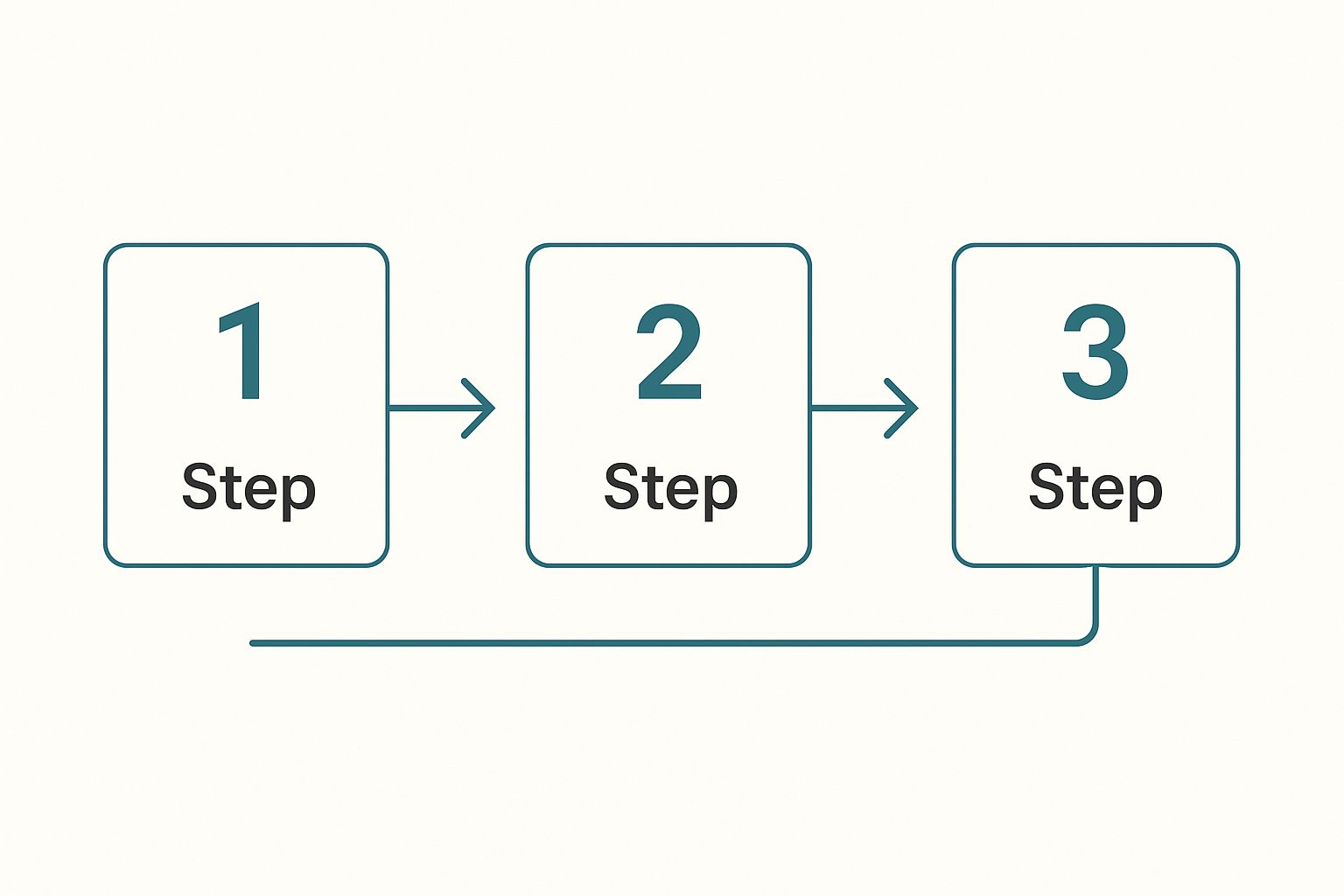
This visual really nails it. Early decisions, like choosing your venue, create a ripple effect that touches every other step of the process. It’s a perfect reminder of why you need a rock-solid plan from day one.
Breaking Down Your Event Budget
Whatever you do, don't just pull a budget number out of thin air. The best way to avoid nasty surprises later is to build your budget from the ground up, listing every single potential expense you can think of.
Your big-ticket items will probably fall into these categories:
- Venue Rental: The cost for the physical space.
- Food & Beverage (F&B): Everything from catering and drinks to the service staff.
- Audiovisual (A/V): Mics, screens, lighting, and the tech support to run it all.
- Marketing & Promotion: Ads, social media pushes, and printed collateral.
- Speakers & Entertainment: Fees for your keynote speakers, performers, or MC.
- Staffing: On-site help, from registration teams to security.
Pro Tip: Always, always add a contingency line item to your budget. Aim for 10-15% of your total budget. This buffer is your safety net for all those little things that pop up, like needing an extra security guard or a last-minute print run for attendee packets.
Your budget allocation will shift depending on your goals. For a lead-generation conference, you’d probably pour more money into killer A/V tech and a robust marketing campaign to pull in the right crowd. On the flip side, an employee appreciation dinner is all about the experience, so you'd focus your spending on incredible food and top-notch entertainment.
Crafting a Master Timeline
Your timeline is your roadmap, and the secret to building a great one is to work backward from your event date. This simple trick ensures you hit every critical milestone without that last-minute scramble. For a really deep dive, this detailed corporate event planning timeline is a fantastic resource.
Start by plotting out the big, non-negotiable deadlines first. These are your major checkpoints.
- 6-12 Months Out: Lock in your goals, budget, date, and venue. These are the foundations of your event.
- 4-6 Months Out: Time to secure your big draws, like keynote speakers and essential vendors. Get that event website live!
- 2-4 Months Out: Kick off your promotional campaigns and open up registration. This is also the perfect window to design and order your print materials—think about getting professionally produced custom event tickets to start building some real excitement.
- 1-2 Months Out: Finalize the agenda, lock in catering menus, and ramp up communication with your registered attendees.
- The Final Month: It's go-time. This is all about final vendor confirmations, staff briefings, and getting all your on-site materials prepped and ready.
A well-built timeline does more than just keep you on track. It keeps your entire team aligned and makes sure every piece of the puzzle clicks into place at exactly the right moment. It transforms a potentially chaotic process into a smooth, manageable workflow.
Choosing the Right Venue and Vendor Team
 Your venue is so much more than just four walls and a roof; it's the canvas for your entire event. Get this part right, and the atmosphere feels electric from the moment guests arrive. Get it wrong, and you’ll spend the rest of your planning process trying to make up for it. This is where your goals and budget stop being abstract concepts and start turning into a real, tangible experience.
The choice dictates everything. A sleek downtown hotel with all the latest tech is perfect for a finance conference, but a rustic barn sets a completely different, more relaxed tone for a creative company retreat. Don’t just look at capacity and location. You have to dig deeper into the details that truly matter.
What to Look for in a Venue
It’s easy to get wowed by the grand ballroom during a site visit. I’ve seen it happen a hundred times. But the real success of your event often hinges on the less glamorous details.
Here’s what you should really be zeroing in on:
- Accessibility: How easy is it for people to get there? Is there plenty of parking, or is it a nightmare? And, of course, is it fully ADA-compliant?
- In-House Support: What kind of A/V equipment is actually included in the price? Is there a dedicated tech support team on-site, or will you be scrambling to hire your own?
- Catering Options: Are you locked into their in-house caterer, or can you bring in an outside team? Make sure you see sample menus and get a clear sense of pricing upfront.
- Layout Flexibility: Can the space be configured to fit your agenda? Think about where you'll put registration, if there are enough breakout rooms, and where people can naturally gather for networking.
Once your venue is locked in, reliable transportation for attendees and VIPs is the next puzzle piece. This is a whole world of its own, but this complete corporate event transportation guide is a great resource for handling the logistics smoothly.
Assembling Your A-Team of Vendors
Think of your vendors as the partners who bring your vision to life. A reliable, professional team is absolutely non-negotiable if you want the event to run without a hitch. You're not just hiring a service; you’re building a temporary crew that needs to be just as dedicated to your success as you are.
Start by vetting potential caterers, photographers, A/V technicians, and printers. And please, never skip the reference check—it's the single best way to learn about a vendor's true professionalism and reliability.
Pro Tip: When you're reviewing vendor contracts, keep a sharp eye out for hidden fees. Things like service charges, overtime labor costs, and delivery fees can quickly inflate your budget if you aren't paying close attention. Always, always ask for a fully itemized quote.
Your print partner is especially crucial for establishing a professional feel from the moment guests walk in. Well-designed directional signs, branded backdrops, and welcome banners create an immersive and polished environment that speaks volumes. High-quality printing vinyl banners can instantly transform a generic space into a branded experience, guiding attendees and constantly reinforcing your event’s identity. Building a solid relationship with a trusted printer ensures consistency across all your materials, which is key to making your event look and feel cohesive.
Weaving an Unforgettable Attendee Experience
A truly successful event isn’t just a schedule of activities; it’s a carefully crafted experience. It should engage your guests from the moment they walk in until the final goodbye. Simply packing a day with back-to-back sessions is a recipe for attendee fatigue. The real art is in designing an agenda that masterfully balances learning, networking, and that all-important downtime.
This balance is what keeps energy levels high and ideas flowing. For example, after an intense 90-minute workshop on data analytics, why not schedule a 30-minute coffee break in a space designed for conversation? This gives attendees a chance to decompress, chat about what they've just learned, and connect with peers. It turns passive listening into active, memorable engagement.
Sourcing Speakers Who Truly Connect
The right speaker can elevate an event from good to absolutely unforgettable. You want presenters who don’t just talk at an audience but engage with them. A dynamic speaker who uses storytelling, a bit of humor, and audience interaction will always leave a stronger impression than someone who just reads off their slides.
When you're vetting potential speakers, look beyond their credentials. Watch videos of their previous talks. What’s their stage presence like? Their energy? The goal is to find people who can not only share valuable information but also inspire and motivate your attendees, making the content stick long after the lights go down.
The Power of Cohesive Branding
Your event's branding is the thread that ties the entire experience together. It creates a professional, polished atmosphere that people notice. This starts long before event day with your marketing and continues with every single physical touchpoint on-site.
The global event industry is exploding, projected to hit $2.5 trillion by 2035. With 78% of organizers calling in-person conferences their most impactful marketing channel, standing out is non-negotiable. High-quality, consistent branding is how you do it. You can find more insights on the growth of the event industry in recent studies.
This is where tangible materials play a starring role. Top-notch print collateral creates a cohesive feel that signals quality from the get-go.
- Custom Invitations: Set a premium, exclusive tone from the very first interaction.
- Sleek Name Badges: Make networking seamless and look professional.
- Detailed Event Programs: Guide attendees through the day with a beautifully designed agenda.
- Directional Signage: Help everyone navigate the space smoothly for a stress-free experience.
A consistent visual identity across all materials—from the welcome banner to the feedback forms—shows meticulous attention to detail. It tells your guests that you’ve thought through every aspect of their experience, which builds trust and elevates how they see your brand.
Don't stop at just the essentials. Think about how other branded items can enhance the day. Offering high-quality promotional products like branded notebooks, nice pens, or reusable water bottles serves two purposes. They’re genuinely useful for attendees during the event and act as a lasting reminder of a great experience long after they've gone home.
Keeping Your Audience Actively Involved
Maintaining engagement throughout the day requires more than just great speakers. Integrating interactive tech is a fantastic way to keep your audience from passively zoning out.
Use an event app to send push notifications with agenda reminders. Or, even better, run live polls and Q&A features during sessions to turn your audience from listeners into active participants. This not only breaks up the monotony but also gives you valuable, real-time feedback, making the experience more dynamic and memorable for everyone.
The Big Day: Managing On-Site Logistics and Post-Event Success
This is it. Event day is when all that meticulous planning finally pays off. A flawless event doesn’t just happen—it’s the direct result of having your on-site logistics completely dialed in. The day shouldn't start with a frantic scramble, but with a calm, organized staff briefing. Make sure everyone, from the registration crew to the A/V team, knows their exact role and the game plan.
Your vendors need to show up with clear instructions on load-in times and where they’re setting up. Remember, a smooth check-in process is your first impression, so it has to be efficient. High-quality, easy-to-read name badges are a non-negotiable here. They do more than just identify people; they spark conversations and lend a professional, polished vibe to the entire event. When you’re sourcing materials, ordering professional event badges printing is a small detail that makes a huge difference in durability and appearance.
Mastering Day-Of Execution
The secret to a smooth event isn't just reacting to problems—it's anticipating them before they even start. What happens if a keynote speaker hits gridlock traffic? Do you have a backup mic ready to go if one fails? This is where your contingency plan stops being a theoretical exercise and becomes your best friend.
Think through the "what-ifs" and have simple, actionable solutions ready.
- Tech Glitches: Have your tech support contact on speed dial. Seriously.
- Weather Woes: For any outdoor component, a backup generator or an indoor alternative is a must-have.
- Registration Bottlenecks: Always have extra staff ready to jump in and manage long lines during peak arrival times.
A truly prepared event planner doesn't just have a Plan B; they have a Plan B for their Plan B. This isn't about being negative. It’s about being a pro and guaranteeing a seamless experience for your attendees, no matter what fires you're putting out behind the scenes.
One savvy move planners are making to "do more with less" is ditching the expensive major hubs for second-tier cities. This simple switch can unlock year-round savings and give you more leverage when negotiating with vendors. Another pro tip? Partner with the city’s Convention and Visitor Bureau (CVB). They often provide no-cost help with things like venue scouting and connecting you with local partners, which can seriously stretch your budget. You can find more great insights on current event planning trends from Encore Global.
From Event Day to Lasting Value
Don’t pack up just yet—the work isn't over when the last guest walks out the door. The post-event phase is arguably where you extract the real value from your efforts and lay the groundwork for your next success. This is your chance to prove the event’s worth.
Your follow-up needs to be as buttoned-up as your pre-event plan. Get those thank-you emails out the door within 24 hours, and make sure to include a link to a feedback survey. Keep that survey short and sweet, asking questions that tie directly back to the goals you set in the very beginning.
Now, it’s time to geek out on the data. Dig into everything: attendee engagement metrics, social media chatter, and the raw feedback from your surveys. This information is pure gold. Finally, it’s time to calculate your return on investment (ROI) by stacking the final costs against the tangible outcomes. Did you hit that lead generation target? Did you see a bump in employee morale? This final analysis is what turns a one-off event into a repeatable, strategic asset, giving you the hard proof you need to justify future budgets and plan even better events down the road.
Still Have Questions? Let's Talk Event Planning
When you're deep in the trenches of planning a corporate event, questions are bound to pop up. Getting the right answers isn't just helpful—it's what separates a smooth, successful event from a stressful scramble. Here are a few of the most common questions I hear from fellow planners.
How Far in Advance Should I Actually Start Planning?
This is the big one, and the honest answer is: it depends entirely on the scale of your event. There’s no single magic number.
For a massive conference with 500+ attendees, you need to be thinking 12 to 18 months out. Seriously. The best venues and sought-after keynote speakers get snatched up way in advance, and that extra lead time gives you the breathing room to lock them down.
If you’re planning a mid-sized event—think a regional sales kickoff for 100-500 people—a 6 to 9-month window is a pretty safe bet. This gives you enough time to handle all the moving parts without feeling completely rushed off your feet. For smaller, more intimate gatherings like an internal workshop or a local client dinner, you can often pull it all together in just 3 to 4 months.
Just remember, no matter the size, starting earlier is always better. It gives you more options and way more leverage when negotiating with vendors.
What Hidden Costs Should I Watch Out For?
Ah, the budget-busters. I've seen even the most meticulously planned budgets get completely derailed by surprise expenses. You have to be vigilant and look beyond the initial quote.
Here are the usual suspects that catch people off guard:
- A/V Equipment: That "basic" tech package the venue offers? It's almost never enough. You'll quickly find yourself paying extra for more microphones, a better projector, or on-site tech support when something inevitably glitches.
- Service Fees & Taxes: A catering quote can look perfectly reasonable at first glance. But once you add the standard service fees and local taxes, that final bill can jump by 20% or more. It’s a shock if you haven’t accounted for it.
- WiFi Access: Never, ever assume the WiFi is free or strong enough to handle a crowd. Venues often charge a hefty premium for the kind of reliable, high-speed internet your attendees will expect.
- Staff Overtime: If your event runs even 15 minutes past the scheduled end time, you could be on the hook for some serious overtime charges for everyone from the venue staff to the security and cleaning crews.
Before you sign a single contract, demand a fully itemized quote. Go through it line by line and ask pointed questions about what isn't included. This is the single best way to avoid nasty financial surprises down the road.
How Do I Actually Measure Event ROI?
Proving your event's value comes right back to the goals you set on day one. Your ROI calculation is completely tied to what you were trying to achieve in the first place.
If your main goal was to generate leads, then your most important metric is the number of qualified leads you captured and, ultimately, how many of those converted into actual sales. If you were aiming for brand awareness, you'll be tracking things like social media mentions, press coverage, and any noticeable spikes in website traffic during and after the event.
The formula itself is straightforward: (Net Gain - Event Cost) / Event Cost. The tricky part is putting a real number on the "gain," which is exactly why setting clear, measurable goals from the very beginning is non-negotiable. It's the only way to truly prove your event was worth the investment.
From professional invitations and sleek event badges to directional signage and branded banners, 4OVER4 has all the high-quality print materials you need to create a cohesive and unforgettable attendee experience. Explore our full range of event printing solutions and bring your vision to life.
More from

14
When you’re ready to invest in an A-frame sign, the first question you'll ask is, "What size do I need?" It usually comes down
 Emma Davis
Mar 13, 2026

130
The real secret to mastering your direct mail budget isn't complicated. It comes down to one simple fact: a standard 4" x 6&q
Emma Davis
Mar 12, 2026

66
Tear-off flyers are a classic for a reason. They’re a tangible marketing tool, designed with perforated, removable tabs at the bottom. Each
Emma Davis
Mar 11, 2026

117
Printing stickers at home is a seriously fun and rewarding project. It boils down to four main parts: designing your image, picking the right
Emma Davis
Mar 10, 2026

104
Ever seen a logo that seems to float right on the glass of a jar or bottle? That’s the work of transparent label stickers.
Emma Davis
Mar 9, 2026

61
Picture this: your product’s beautiful label gets smudged and runny during shipping, or a gorgeous event banner fades to nothing after just
Emma Davis
Mar 8, 2026

58
In a sea of options, your product's packaging and labeling are its first, and often only, chance to make a real connectio
Emma Davis
Mar 7, 2026

89
Ever tried to print a hundred high-quality flyers on your home office printer? You probably ran out of ink, dealt with paper jams, and ended u
Emma Davis
Mar 6, 2026