Table of Contents
- Home
- content hub
- How to Create Custom Business Card in Illustrator CC
 Share and earn
How to Create Custom Business Card in Illustrator CC

Sep 30, 20205026 views
Sep 30, 20205026 views
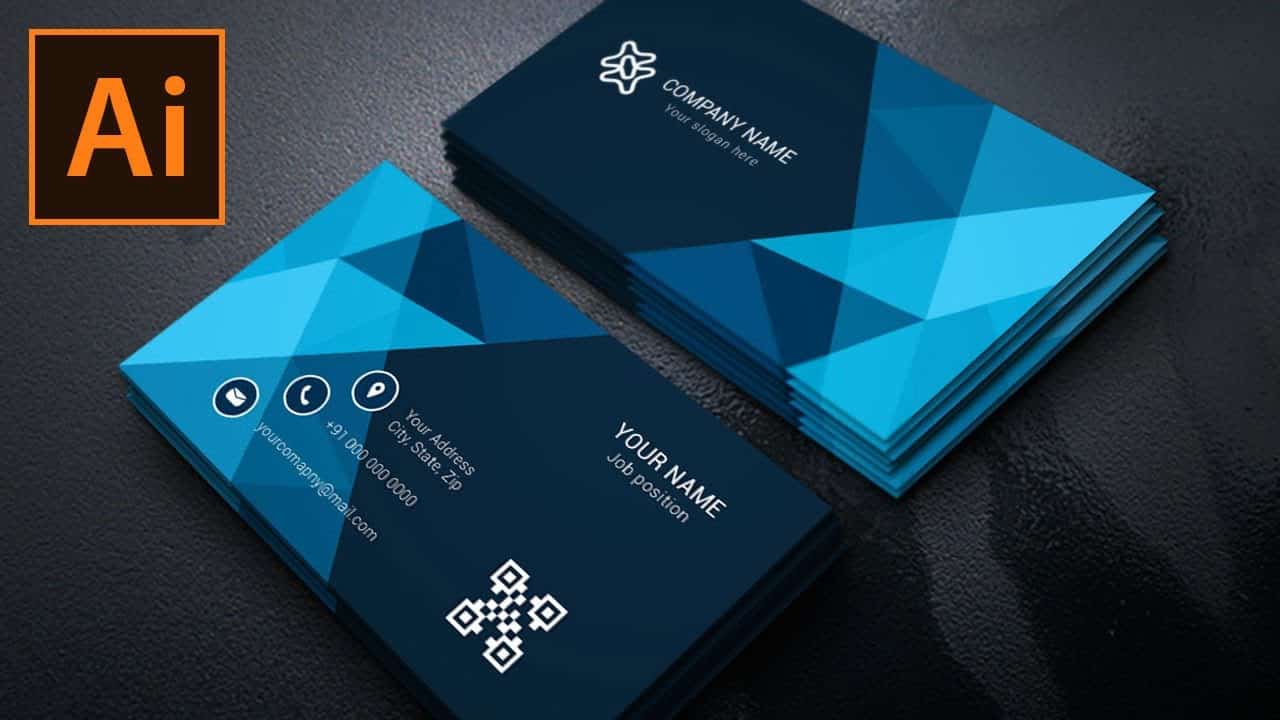
Creating a standout business card is more than just sharing contact details—it’s about leaving a lasting impression. In today’s competitive world, a well-designed card can set us apart and reflect our brand’s personality. But where do we start when we want something truly professional and creative? That’s where Adobe Illustrator CC comes in.
With its powerful tools and endless customization options, Illustrator CC lets us design business cards that are as unique as our brand. Whether we’re aiming for sleek minimalism or bold creativity, this software gives us the freedom to bring our vision to life. In this article, we’ll walk through the essentials of designing a business card in Illustrator CC, ensuring it’s not just eye-catching but also print-ready.
Why Use Illustrator CC For Business Card Design
Adobe Illustrator CC offers unparalleled precision and control for creating custom business cards. Its vector-based design ensures scalability, maintaining the sharpness and quality of your design at any size—a key aspect for professional printing. This feature is especially important when using services like 4OVER4.COM to create impactful printed materials.
Illustrator CC’s wide range of tools supports advanced customization, allowing designers to combine unique textures, typography, and layouts. These capabilities efficiently align with branding when producing standout pieces such as gloss laminated business cards, which add a polished feel to professional designs.
The software comes with built-in templates and grid systems, enabling a balanced structure for essential details, including contact information and brand visuals. This organization ensures seamless integration of brand identity into the design process, preparing files to meet specific print-ready requirements for providers such as business card printing services.
Illustrator CC also supports various export formats, making it easier to submit final designs for printing. When working with custom solutions like 4OVER4.COM, designers can ensure compatibility with full-bleed options or specialty finishes. Leveraging Illustrator’s features supplements the quality and detail needed for high-end printed business cards.
To enhance the creative process, Illustrator CC integrates with online design tools. These tools complement desktop features and support dynamic workflows for creating unique layouts, whether starting from scratch or using customizable design templates. The flexibility of this software guarantees attention-to-detail in both digital and physical outputs.
For crafting personalized business cards designed to elevate your brand presence, combining Illustrator CC’s precision with professional print platforms like 4OVER4.COM creates stunning final products tailored to individual branding goals.
Essential Tools And Features In Illustrator CC
When designing professional business cards in Illustrator CC, knowing how to leverage essential tools and features ensures both creativity and precision. These tools streamline the process of creating print-ready designs that reflect brand identity effectively.
Artboards And Document Setup
Artboards help define the business card's dimensions and layout. Illustrator CC allows us to create multiple artboards for variations. For standard-sized cards, we use 3.5 x 2 inches with a bleed area of 0.125 inches for edge-to-edge designs. Document setup ensures accurate alignment, ensuring the final product fits professional print requirements by 4OVER4.COM.
Adding trim and safety margins prevents design elements from being cut during the printing process, helping your cards appear polished and professional. The business cards printing guide is an excellent resource to complement this setup.
Using Shapes And Lines
Shapes and lines organize business card layouts while maintaining aesthetic balance. Basic shapes like rectangles and circles form the card's structure, while lines divide content or guide the viewer's eye. Illustrator CC's Pathfinder tool combines and subtracts shapes, enabling custom geometric designs.
For instance, layering a gloss effect over lines creates sleek, professional features, which 4OVER4.COM can actualize through gloss laminated prints. Harnessing clean patterns and borders with these tools adds uniqueness without overwhelming the design.
Typography And Font Selection
Typography ensures readability while reflecting the brand tone. Illustrator CC's extensive font library makes it easy to choose clean serif fonts for professionalism or bold sans-serif fonts for modern appeal. Customizing text attributes like kerning, tracking, and alignment maximizes clarity and impact. Converting text to outlines ensures consistent formatting across printing platforms.
Illustrator's work pairs seamlessly with free and user-friendly design tools, offering additional text editing functionality to aid in alignment with the client's branding strategy.
Color Swatches And Gradients
Consistency in color is critical to maintaining brand identity. Illustrator CC's swatch panel saves primary and secondary brand colors for precise application. CMYK format is ideal for printing, ensuring colors look sharp and vibrant when produced professionally by 4OVER4.COM.
Gradients create dimensionality, adding depth to your card's design. Applying radial or linear gradients over logos or patterns, paired with customizable business card templates, enriches design appeal without sacrificing clarity.
Step-By-Step Guide To Designing A Business Card
Creating a professional business card in Illustrator CC requires defined steps for precision and creativity. Here's a detailed process to ensure your designs align with your brand's identity and look extraordinary when printed.
Setting Up The Document
We start by setting up the correct dimensions in Illustrator CC. Open a new document and choose the standard business card size of 3.5 x 2 inches, adding a 0.125-inch bleed on all sides for edge-to-edge printing. Select CMYK color mode to ensure accurate printing. Ensuring the layout is properly structured will prevent trimming errors during production.
Enable rulers and guides to align elements flawlessly. This step helps maintain consistent spacing, especially when incorporating key branding components. If you haven't explored it yet, this free online designer tool can help refine your ideas before starting in Illustrator CC.
Adding Your Logo And Branding
Insert your logo into the document as a vector file for scalability and quality. Drag and drop the logo onto the workspace or use the "Place" command to import it. Position the logo prominently but proportionally to maintain balance in the design.
Integrate branded elements such as specific colors or fonts. Use the swatch panel to apply your color palette, aligning it with your company's identity. Your logo's placement contributes heavily to the perception of professionalism, so avoid cluttered compositions. When ready for final outputs, rely on custom business cards printing services like 4OVER4.COM to enhance your brand presence.
Designing The Front And Back Layout
Design the front by emphasizing key information such as your name, job title, company name, and contact details. Use typographic hierarchy to make the content legible and appealing. Select fonts that reflect your brand's personality and ensure text alignment follows best design practices, improving the overall readability.
On the back, consider including secondary elements like a tagline, a QR code, or social media links. Create visual balance by incorporating gradients or subtle patterns. This can be achieved through Illustrator's gradient tools or effects panels. Choosing specialty finishes like those available through gloss laminated cards adds an extra layer of sophistication to your designs.
For inspiration, check out pre-existing business card design templates to spark creative ideas and refine the arrangement of text and visuals. These templates ensure flexibility while maintaining professional quality, especially when paired with 4OVER4.COM's expert printing services.
Tips For A Professional Business Card Design
Professional business cards effectively communicate key details while leaving a memorable impression. Proper design choices in Adobe Illustrator CC enhance brand recognition and ensure a polished outcome.
Maintaining Readability And Clarity
Readable text ensures essential information is clear. Prioritize fonts ranging from 8 to 14 points for legibility. Serif or sans-serif typefaces, like Helvetica or Lora, are professional and easy to read. Avoid decorative fonts except for accents, as overuse can distract viewers.
Arrange content hierarchically. Place the name at the top, title secondary, and contact details below to guide the reader. Limit the number of fonts to two, ensuring a cohesive look. Using contrasting colors, such as black on white or gold on navy, improves text visibility. Illustrator’s alignment tools ensure precise placement for a balanced design.
To further enhance your business card’s professionalism, explore premium print finishes like gloss lamination for durability. Learn more about gloss laminated options.
Choosing The Right Dimensions And Bleed Settings
Standard dimensions provide consistency across designs and simplify printing. Use 3.5 x 2 inches in Illustrator CC with a bleed area of 0.125 inches on all sides for full-edge designs. Bleed ensures elements extend beyond the trim line, removing white edges after cutting.
Set up your document in CMYK mode to align colors with professional printing standards. Enable guides and grids for precise placement of text and imagery within the safe zone, avoiding bleed edges.
Accurately formatted files guarantee seamless results when printing with 4OVER4.COM. Discover additional insights on standard business card dimensions and templates. Our quality printing ensures your designs stand out, reinforcing strong brand presence.
Exporting And Printing Your Business Card
Turning a business card design created in Illustrator CC into a professional, print-ready card requires the right export settings and adherence to industry standards. Following the correct process ensures that your design maintains its quality during professional printing.
Exporting To Print-Ready Formats
Prepare the business card file by ensuring the dimensions include the bleed area, typically 3.625 x 2.125 inches for the standard size. Use the CMYK color mode throughout the design, as this ensures color consistency during printing. Preserve text legibility and avoid rasterizing fonts by maintaining vector formats.
Export your file as a PDF for the smoothest compatibility with printers. In Illustrator CC, select File > Save As, choose PDF, and access the Adobe PDF Presets to pick "Press Quality". Enable the bleed settings, and under "Marks and Bleeds", check "Trim Marks" to guide the printer on cutting areas. For layering clarity, flatten transparency settings if using effects like drop shadows or gradients.
When seeking advanced finishes, like gloss laminated options, precise export settings are critical. A proper export ensures your card design stands out after utilizing custom solutions from 4OVER4.COM. For inspiration, explore business card templates and refine your design for standout results.
Best Practices For Sending To Printers
Before sending your design to the printer, double-check export quality. Review the file to ensure all text and graphics remain crisp and align correctly with the bleed margins. Embed fonts and images within the file, avoiding pixelation or misalignment during production.
Use 4OVER4.COM's tools to craft high-quality, visually appealing cards that represent your brand. For edge-to-edge designs, confirm that the bleed area includes essential details and avoid placing critical information too close to trim lines. Gloss-laminated finishes add premium durability and shine, enhancing the tactile experience of your card.
Submit files to professional printers using upload systems that accept various file sizes and formats. Partnering with 4OVER4.COM ensures that professional printing and custom solutions elevate the final product. For added convenience, their free online designing tools simplify adjustments before printing.
Conclusion
Designing a business card in Illustrator CC offers unmatched creativity and precision, making it the ideal tool for crafting a professional, standout design. By leveraging its powerful features, we can create cards that not only reflect our brand identity but also leave a lasting impression.
From setting up dimensions to incorporating branded elements and ensuring print-ready files, Illustrator CC streamlines the entire process. Pairing these designs with premium printing services ensures a polished, high-quality finish that elevates our brand presence.
With the right approach and attention to detail, our business cards can become a powerful tool for making meaningful connections.
More from

13
When you’re ready to invest in an A-frame sign, the first question you'll ask is, "What size do I need?" It usually comes down
 Emma Davis
Mar 13, 2026

113
The real secret to mastering your direct mail budget isn't complicated. It comes down to one simple fact: a standard 4" x 6&q
Emma Davis
Mar 12, 2026

63
Tear-off flyers are a classic for a reason. They’re a tangible marketing tool, designed with perforated, removable tabs at the bottom. Each
Emma Davis
Mar 11, 2026

112
Printing stickers at home is a seriously fun and rewarding project. It boils down to four main parts: designing your image, picking the right
Emma Davis
Mar 10, 2026

103
Ever seen a logo that seems to float right on the glass of a jar or bottle? That’s the work of transparent label stickers.
Emma Davis
Mar 9, 2026

59
Picture this: your product’s beautiful label gets smudged and runny during shipping, or a gorgeous event banner fades to nothing after just
Emma Davis
Mar 8, 2026

58
In a sea of options, your product's packaging and labeling are its first, and often only, chance to make a real connectio
Emma Davis
Mar 7, 2026

89
Ever tried to print a hundred high-quality flyers on your home office printer? You probably ran out of ink, dealt with paper jams, and ended u
Emma Davis
Mar 6, 2026