


How to Brand Your Business Like a Pro

    user icon

    Emma Davis

    Content Writer

    Aug 7, 2025491 views

    Aug 7, 2025491 views

    How to Brand Your Business Like a Pro

    So, what does it really mean to brand your business? It’s about figuring out who you are at your core, who you’re talking to, and then showing up consistently everywhere your customers see you. It's a deliberate journey from an internal idea to an external reality, one that builds a name people recognize and trust.

    Build Your Brand on a Strategic Foundation

    Image

    Before you even think about sketching a logo or picking a color palette, you have to lay the groundwork. It's a common mistake to jump straight into the fun, visual stuff, but truly powerful brands are built on a solid foundation of research and purpose. This isn't just about looking good; it's about creating something meaningful that truly connects with people.

    Think of your brand as a promise. It’s your way of telling the world who you are, what you believe in, and why you’re the right choice. Nailing this strategy from the start makes every other decision—from marketing to product development—infinitely easier down the road.

    Pinpoint Your Position in the Market

    First things first, you need a clear view of the world you’re stepping into. This means doing some serious market research, but not just to see what your competitors are up to. You're on a mission to find a unique, unclaimed spot in the market that your brand can truly own.

    Look for the gaps. What needs aren't being met? What are customers frustrated with? Instead of just making a list of competitors' features, dig into their brand positioning. What are they promising? Who are they talking to? Your goal is to find a fresh angle that makes you the only logical choice for a specific group of people.

    Define Your Ideal Customer

    You can’t be everything to everyone, and trying to is a recipe for a bland, forgettable brand. The most successful brands speak directly to a very specific audience. To do this well, you need to build out a detailed customer persona—a vivid profile of your ideal client, pieced together from real data and research.

    Don’t just stop at demographics. You need to get inside their head.

    • Motivations: What really drives them? What are they aspiring to?
    • Pain Points: What problems keep them up at night? What frustrations are you solving?
    • Values: What principles guide their decisions? What do they truly care about?
    • Media Habits: Where do they hang out, both online and off?

    When your persona starts to feel like a real person, crafting a brand they'll love becomes second nature. Every choice gets filtered through a simple question: "What would Sarah think of this?"

    Key Insight: A brand doesn't live in a PowerPoint deck or a style guide. It lives in the minds of your customers. Your strategy is the blueprint for shaping that perception and building real value from day one.

    Articulate Your Core Brand Pillars

    Once you know your market and your customer, it's time to look inward. Your mission, vision, and values are the soul of your brand—they're the non-negotiables. These are the principles that keep you authentic and on track as you grow.

    • Mission Statement: This is your "why." It defines your purpose right now and should be clear and action-oriented.
    • Vision Statement: This is your "what." It paints a picture of the future you’re trying to build. Think bigger, think aspirational.
    • Core Values: These are the "how." They are the 3-5 core beliefs that guide every action, decision, and hire you make.

    These aren't just fluffy statements for your website's "About Us" page; they're your brand's compass. To see how these pieces come together, especially in a B2B context, check out this fantastic guide on a modern B2B brand strategy. This foundational work is what ultimately fuels powerful brand awareness and forges connections that go beyond a simple transaction.

    Craft a Memorable Brand Identity

    Image

    Now that you've done the heavy lifting on strategy, it's time for the fun part: giving your brand a face and a voice. This is where all those abstract ideas about your mission, values, and ideal customer get translated into the tangible things people will actually see, touch, and—if we do this right—remember.

    Your brand identity is the complete visual and verbal system that communicates who you are in a heartbeat. It’s about taking your brand’s soul and turning it into a look and feel that truly connects. When every element works in harmony, your identity tells your story without you ever having to say a word.

    Brainstorm a Name That Sticks

    Your brand name is your first handshake. It needs to be memorable, easy to say, and hint at what you offer without boxing you in for the future. You can go for something evocative, like Patagonia (it just sounds like adventure, doesn't it?), or something more direct and descriptive, like The Container Store.

    As you start brainstorming, keep these practical points in mind:

    • Availability: Before you fall in love with a name, check if the domain and social media handles are free. A quick search now will save you a world of pain later.
    • Memorability: Can people spell it after hearing it once? Is it easy to recall? Anything too complex or awkwardly spelled creates an unnecessary barrier.
    • Meaning: Does the name feel authentic to your brand's core mission? It should sound like it belongs to you.

    Don't just grab the first idea that comes to mind. Make a long list, say the names out loud, and run them by people you trust. This name is going to be with you for a long, long time, so choose wisely.

    Design a Versatile and Timeless Logo

    Think of your logo as the visual cornerstone of your entire brand. It’s so much more than a pretty graphic; it’s a hard-working symbol that has to be clear and effective everywhere. A truly great logo is distinctive, simple, and incredibly versatile. It needs to look just as sharp on a tiny app icon as it does blown up on a billboard.

    Just look at the most iconic logos out there—Nike’s swoosh or Apple’s bitten apple. They are stunningly simple yet instantly recognizable. That’s the goal. Resist the temptation to chase the latest design trend that will feel dated in a year. Focus on creating a mark that is timeless and perfectly captures the essence of your brand. It should be a visual shortcut to everything you stand for.

    A strong visual identity is non-negotiable for building trust. Consider this: 81% of consumers say they need to trust a brand before buying from them, and research shows that 55% of first impressions are purely visual. Your logo and colors are doing the heavy lifting from the very first glance. You can dig deeper into how visuals influence consumer trust on ExplodingTopics.com.

    Choose Your Colors and Fonts Deliberately

    Color is a shortcut to emotion. The palette you choose will immediately trigger feelings and associations in your audience. For example, blue often communicates stability and trust, while green can bring to mind nature, health, and growth. Your palette should have a couple of primary colors and a few secondary, accent colors to give you flexibility across different designs.

    In the same way, typography—the fonts you use—gives your brand its unique voice. Is it classic and reliable? A serif font might work well. Modern and clean? A sans-serif is probably a better fit. The key is to choose one or two font families that are highly legible and genuinely reflect your brand's personality.

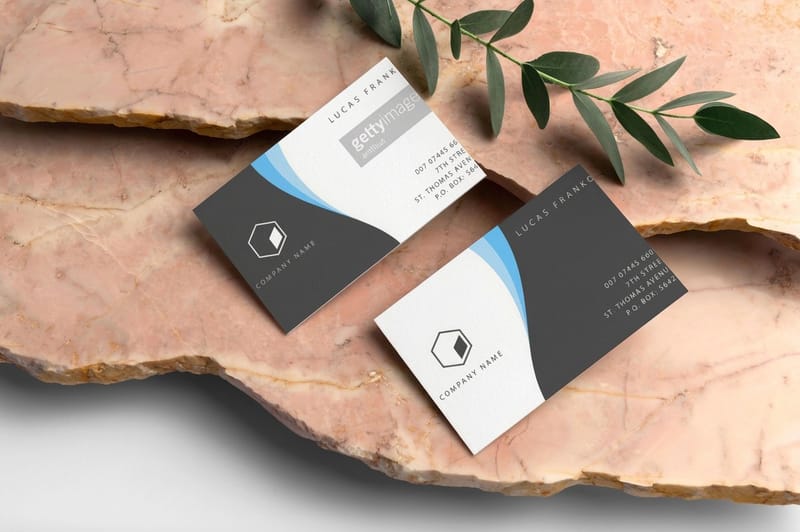
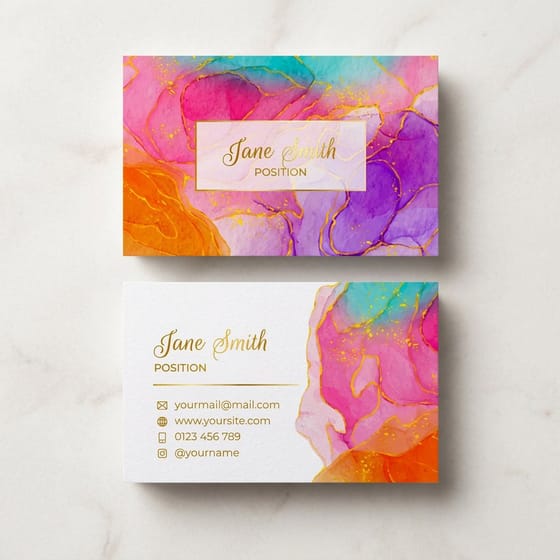
    These aren't just decorative choices; they are strategic decisions that complete your visual identity. This system is what makes every single marketing piece, from your website to your printed materials, feel like it came from the same place. For instance, when you're ready to create high-quality custom business cards, having these colors and fonts defined is what will ensure they make a professional and lasting impression. Consistency is what builds recognition.

    Develop Your Authentic Brand Voice

    What your brand says is just as important as how it looks. Once you've nailed down your visual identity, the next piece of the puzzle is finding your authentic voice. Think of it as your brand's personality—and keeping it consistent is what builds real, lasting trust with your audience.

    So, who are you? Are you the witty friend who breaks the ice with a clever joke? The seasoned expert who delivers clear, no-nonsense advice? Or maybe the inspirational coach who motivates people to chase their dreams? The goal is to move past generic corporate speak and land on a voice that feels genuine. When you get this right, your brand stops feeling like a faceless company and starts feeling like a trusted friend.

    Establish Your Core Messaging Pillars

    Before you even think about writing a single line of copy, you need to lock in your messaging pillars. These are the 3-4 foundational themes your brand will talk about, time and time again. They’re the big ideas that tie directly back to your mission, your values, and what makes your product or service special.

    Think of these pillars as the guardrails for all your content. For instance, a sustainable coffee brand might build its messaging around:

    • Ethical Sourcing: Telling the human stories behind their partner farms and fair-trade practices.
    • Artisanal Quality: Diving deep into the craft of roasting and the unique flavor notes of their beans.
    • Community Impact: Showing exactly how each purchase helps fund local projects and protect the environment.

    Every blog post, social media update, and email should echo at least one of these pillars. This creates a clear, cohesive story that people can actually follow and remember.

    A consistent brand presentation across all platforms can increase revenue by up to 23%. Your brand voice is a massive part of that consistency, directly impacting how customers perceive and value what you offer.

    Craft a Compelling Value Proposition

    Your value proposition has one job: to answer your customer’s unspoken question, "Why should I choose you over everyone else?" It needs to be a clear, concise statement that communicates the unique benefit you deliver. This isn't just a catchy slogan; it’s a promise of the value you’re going to provide.

    A powerful value proposition is specific, focused on a customer’s pain point, and makes your unique selling point impossible to ignore. For example, instead of a bland statement like, "We sell high-quality shoes," a much stronger value proposition would be, "The only dress shoe engineered for 18-hour comfort, so you can go from the boardroom to dinner without the pain." It hits a specific problem and offers an immediate, tangible solution.

    Defining your voice can feel abstract, which is where archetypes come in handy. They provide a framework to help you understand the emotional connection you want to build.

    Finding Your Brand Voice with Archetypes

    This table breaks down a few common brand archetypes. See which one resonates most with your brand's core desire and how that might translate into your communication style.

    Archetype Core Desire Communication Style Example Brands
    The Sage To find the truth Wise, factual, and informative. Uses data and expertise. Google, The Wall Street Journal
    The Jester To live in the moment with full enjoyment Playful, witty, and humorous. Uses jokes and lighthearted fun. M&M's, Old Spice
    The Caregiver To protect and care for others Nurturing, supportive, and reassuring. Focuses on empathy. Johnson & Johnson, Dove
    The Hero To prove one's worth through courageous acts Bold, confident, and inspiring. Motivates and empowers. Nike, FedEx
    The Everyman To belong and connect with others Friendly, relatable, and down-to-earth. Avoids pretense. IKEA, Target

    Using an archetype as a starting point gives you a clear direction for your tone, word choice, and overall personality, making it easier to maintain consistency.

    This image shows just how much word choice and tone can shift perception between a friendly and an authoritative voice.

    Image

    As you can see, the friendly voice uses warmer, more concise language, while the authoritative voice leans into formal phrasing and more detail to establish credibility.

    Apply Your Voice Everywhere

    This is where the magic happens—and also where so many businesses drop the ball. Your brand voice needs to show up at every single customer touchpoint to create a seamless experience. It’s jarring to see a brand with a fun, witty voice on social media send robotic, formal customer service emails.

    Make a checklist and be ruthless about consistency. Your voice needs to be present in:

    • Website Copy: From your homepage headline all the way down to your FAQ page.
    • Social Media: Every caption, reply, and direct message should sound like you.
    • Email Marketing: Newsletters, promotions, and even automated password reset emails.
    • Printed Materials: Your brand's personality should shine through even on official documents. For instance, maintaining your voice on professional letterheads for printing reinforces your identity in even the most formal communications.
    • Customer Support: How your team answers the phone or responds in a live chat.

    When you apply your voice consistently, you build familiarity. People know what to expect. That predictability builds trust, turning one-time buyers into loyal advocates who feel a genuine connection to who you are and what you stand for.

    Implement Your Brand Across Every Touchpoint

    Image

    All that hard work developing a brand strategy is just theory until you put it into practice. The real magic happens when you apply that identity to every single place a customer interacts with you. This is where the rubber meets the road.

    Every email, every social post, every box you ship is an opportunity to reinforce who you are. Any inconsistency, no matter how small, can chip away at the trust and recognition you've worked so hard to build. Let's walk through how to roll out your brand cohesively so nothing gets missed.

    First Things First: Your Brand Style Guide

    Before you touch a single asset, you need to build your brand’s "bible"—the brand style guide. This isn't just a nice-to-have document; it's the most critical tool for keeping your brand consistent, especially as your team grows or you bring on outside help.

    Think of it as the ultimate rulebook. A great style guide gives anyone, from a new marketing hire to a freelance designer, the exact instructions they need to represent your brand perfectly every time. It’s what keeps everyone on the same page.

    Make sure your guide clearly outlines:

    • Logo Do's and Don'ts: Specify how and where your logo can be used. Include rules for minimum size, clear space, and, just as importantly, what not to do with it (like stretching, re-coloring, or altering it).
    • Your Color Palette: Define your primary and secondary colors with their exact hex codes, RGB, and CMYK values. This ensures color accuracy whether it’s on a screen or on a printed brochure.
    • Typography System: Lay out the fonts for headlines, body copy, and captions. Include specific weights and sizing guidelines to create a clear visual hierarchy.
    • Brand Voice and Tone: Show, don't just tell. Provide real examples of your brand’s communication style, including key messages and words to use or avoid.
    • Imagery Guidelines: Define the look and feel of your photography and illustrations. Is it bright and airy? Gritty and authentic? Your guide should make it clear.

    A style guide is your brand's single source of truth. It's what empowers your entire organization to be brand ambassadors, ensuring every customer interaction, big or small, reinforces who you are.

    Audit and Update Every Touchpoint

    With your style guide in hand, it's time to take stock of everything that carries your brand's name. The best way to start is with a comprehensive audit, sorting all your materials into two buckets: digital and physical.

    Your Digital Presence

    This is where many first impressions happen. Go through your digital assets with a fine-tooth comb.

    • Website: Your website is your digital flagship. Every page, button, and form needs to be on-brand.
    • Social Media Profiles: Update your profile pictures, cover photos, and bios across all your channels. It's a quick fix that makes a big impact.
    • Email Signatures: Don't overlook this one. Standardizing email signatures for the entire team creates a clean, professional, and unified front in every single communication.
    • Email Marketing: Your newsletters and automated email flows should be completely redesigned to reflect the new branding.

    For bringing your visual identity to life online, tools like Framer's design and prototyping platform can be incredibly helpful for designing and launching a cohesive website and other digital experiences.

    Your Physical Footprint

    Tangible items have a unique power to make your brand feel real and substantial.

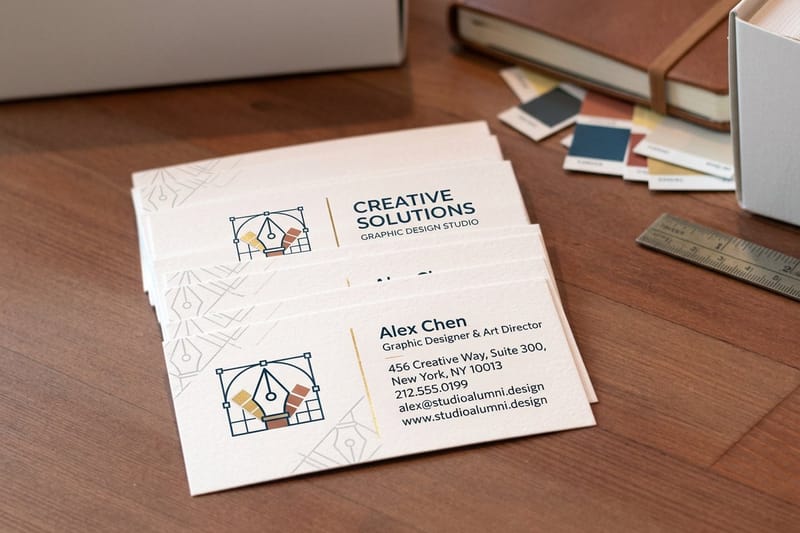
    • Business Cards & Stationery: Often the first physical piece of your brand someone holds. Make it count.
    • Packaging: Your product’s packaging is a powerful marketing tool. It should feel like a natural extension of your brand story.
    • In-Store Signage: If you have a brick-and-mortar location, the physical space is the brand experience. Signage, displays, and decor must all align.
    • Marketing Materials: Every flyer, brochure, and trade show banner needs to be perfectly in sync.

    Bringing this identity to life across a wide range of printed marketing materials is how you build a tangible connection with your audience. High-quality, consistent print work reinforces the credibility you've carefully crafted.

    This isn't just about looking good; it's about driving growth. Statistics show that companies with strong, globally recognized brands grow 24% faster than their competitors. That success is built on consistency, with 82% of global marketers agreeing that localizing brand campaigns is vital for market success.

    A brand launch should feel intentional and coordinated. When you meticulously apply your brand identity across every asset—guided by a clear style guide—you build the kind of recognition and trust that turns casual onlookers into loyal fans.

    Grow Your Brand Equity and Customer Loyalty

    Getting your brand out the door is just the starting line. The real marathon begins now, and it’s all about turning your brand from a name and a logo into your company’s most valuable asset. This is where we talk about building brand equity.

    Strong brand equity isn't something that just happens. It's earned through consistency, exceptional customer experiences, and a genuine connection with your audience. When you get this right, amazing things start to happen. Customers are willing to pay more, they stick with you even when a competitor dangles a discount, and they’ll eagerly try your next product just because it has your name on it. That's the power of trust.

    Tune In to Your Audience

    You can’t improve what you don’t understand. To really build brand equity, you have to know how people actually see you, not just how you want them to see you. That means setting up systems to listen—really listen—to your audience.

    You need to keep a finger on the pulse of what people are saying, both to you and about you. This involves tracking a mix of hard numbers and human stories.

    • The Numbers (Quantitative): This is your high-level dashboard. Keep an eye on your Net Promoter Score (NPS), customer satisfaction (CSAT) scores, and how often customers come back to buy again. These metrics give you a quick health check.
    • The Stories (Qualitative): This is where the magic is. Dive into social media comments, online reviews, and customer support emails. What words do people use to describe you? What’s the one frustrating thing that keeps popping up? This is the "why" behind the numbers.

    This feedback loop—listening, analyzing, and then acting—is what separates brands that grow from those that guess.

    Build a Thriving Community

    The most powerful brands don’t just have customers; they have communities. We're talking about people who feel a real sense of belonging and are excited to engage with the brand and with each other. Cultivating this transforms people from passive buyers into passionate participants.

    Creating this kind of space is about more than just making a sale. It’s about adding value to their lives.

    • Create Content That Serves: Your content should be for them, not just for you. Think helpful tutorials, fun behind-the-scenes glimpses, or campaigns that feature your own users and make them the heroes of the story.
    • Deliver Memorable Experiences: Every single interaction is a chance to build your brand. The way you answer a DM, how you handle a return, the unboxing experience—it all matters. One surprisingly positive moment can create a fan for life.

    A big part of building equity is simply being seen and trusted. This is where you can use smart SEO strategies to build brand authority, making sure your helpful content actually finds the people who need it.

    Key Takeaway: Brand equity is the grand total of every experience a person has with you. It’s built one small moment at a time—a helpful blog post, a friendly chat with support, a beautifully packaged product—that all add up to create unshakable trust.

    Turn Customers into Your Biggest Fans

    Ultimately, the goal is to turn your customers into your best marketing team. An advocate is so much more than a repeat buyer. They are a true fan who goes out of their way to tell others about you. They leave glowing reviews without being prompted, recommend you to their friends, and even defend you online.

    You earn this level of devotion through consistent, positive reinforcement. A fantastic way to do this is by creating programs that recognize and reward your best customers. Having a solid plan for building powerful customer loyalty gives you a structured way to systematically turn happy buyers into passionate evangelists for your brand. This creates a self-perpetuating cycle of growth.

    The financial impact here is massive. By 2025, the total value of the Top 100 global brands soared to a record $10.7 trillion. This staggering number proves the immense financial power of a beloved brand. Much of this value was built by companies that master the art of customer relationships and equity. You can see more of these global brand trends on Kantar.com.

    Think of your brand as a living asset. By constantly listening, engaging, and delivering real value, you’ll cultivate the kind of deep-seated loyalty that not only secures your spot in the market but also turns your customers into your greatest champions.

    Common Questions About Branding a Business

    Even with a solid plan, jumping into the world of branding can feel a bit overwhelming. Let's tackle some of the most common questions I hear from business owners. Getting these answers straight will help you move forward with confidence and make smarter moves right from the get-go.

    How Much Should a Small Business Budget for Branding?

    This is the big one, isn't it? The honest answer is: it varies wildly. You could spend a few hundred dollars on DIY tools or tens of thousands for a full-service agency.

    For most small businesses looking to hire a good freelancer or a small studio, a realistic budget typically falls somewhere between $3,000 and $15,000.

    So, what does that kind of money usually get you?

    • Brand Strategy Session: This is the critical discovery phase where you nail down your mission, target audience, and how you fit into the market.
    • Logo Design Suite: Not just one logo, but a whole family of them—primary, secondary, and submarks for different applications.
    • Basic Style Guide: A rulebook that spells out how to use your colors, fonts, and logos correctly.
    • Key Asset Templates: Think business card designs, social media post templates, or a letterhead.

    It’s tempting to see this as just another expense, but it's truly an investment in your company's future. If your budget is tight, focus every penny on getting the strategy and logo right. Those two pieces are the absolute foundation of everything else.

    Can I Rebrand My Business If I Get It Wrong?

    Absolutely. But let me be clear: a rebrand is a major undertaking, not a quick fix. If you're not careful, it can confuse your loyal customers and erase all the hard-earned recognition you've built up. This is precisely why it pays to put in the deep work upfront.

    That said, businesses change. A rebrand isn't just appropriate but necessary when:

    • Your entire business model has shifted.
    • You're aiming to capture a completely new market segment.
    • Your branding just feels dated and doesn't reflect the company you are today.

    If you do decide to rebrand, you need a rock-solid strategy. The most important part is communicating why you're making the change. Be transparent. Share the journey with your existing customers to keep their trust and, hopefully, get them excited for what’s next.

    Key Insight: The most vital part of branding isn't your logo or your company name—it's consistency. A gorgeous logo means nothing if your website is a mess or your customer service is off-brand. Consistency is the glue that makes people trust you.

    What Is the Single Most Important Part of Branding?

    People often think it's the logo, but the real hero of any strong brand is consistency. It’s the relentless commitment to showing up as the same brand, everywhere your customers interact with you.

    Consistency is what builds recognition over time, which eventually blossoms into trust. It means your visuals, your tone of voice, and the actual experience customers have with you all need to sing the same song. This perfect alignment is what turns a random assortment of marketing materials into a brand that people remember and rely on.

    When every single touchpoint reinforces the same core feeling, your brand becomes a dependable and authentic presence in your customers' lives.


    Ready to bring your brand to life with professional, high-quality printed materials? From business cards to marketing brochures, 4OVER4 has everything you need to make a lasting impression. Explore our vast selection of customizable printing solutions at 4over4.com.

    More from how to brand your business

    How to Stick a Poster on a Wall Without Any Damage
    story
    How to Stick a Poster on a Wall Without Any Damage

    8

    Want to know the real secret to getting a poster to stick to a wall without it peeling off in the middle of the night? It's all about what

    author avatarEmma Davis

    Jan 28, 2026

    The Definitive Guide to Table Tent Specs for Perfect Printing
    story
    The Definitive Guide to Table Tent Specs for Perfect Printing

    19

    When you hear "table tent specs," what we're really talking about are the foundational details for printing them correctly: the

    author avatarEmma Davis

    Jan 27, 2026

    Your Ultimate Guide to poster sizes inches: Standard Poster Sizes Explained
    story
    Your Ultimate Guide to poster sizes inches: Standard Poster Sizes Explained

    82

    When you're ready to print a poster, one of the first questions you'll face is, "What size should it be?" The industry has a

    author avatarEmma Davis

    Jan 26, 2026

    45+ Creative Ideas for the Back of a Business Card
    story
    45+ Creative Ideas for the Back of a Business Card

    96

    Picture this: you're at a networking event, and someone hands you their business card. You do the usual glance—name, title, company—an

    author avatarEmma Davis

    Jan 25, 2026

    How to Make a Card in Word for Pro Results
    story
    How to Make a Card in Word for Pro Results

    113

    Believe it or not, figuring out how to make a card in Word is surprisingly easy. You can knock out everything from slick, professional busines

    author avatarEmma Davis

    Jan 24, 2026

    Your Guide to Printing on Packaging That Captivates Customers
    story
    Your Guide to Printing on Packaging That Captivates Customers

    107

    Printing on packaging takes a simple container and turns it into one of your most powerful marketing tools. It’s the very first physical int

    author avatarEmma Davis

    Jan 23, 2026

    A Complete Guide to Flyer Size Dimensions for Perfect Printing
    story
    A Complete Guide to Flyer Size Dimensions for Perfect Printing

    364

    When you're getting ready to print a flyer, one of the first questions you'll face is, "What size should it be?" The most co

    author avatarEmma Davis

    Jan 22, 2026

    How Free Business Cards Actually Work (Updated for 2026)
    story
    How Free Business Cards Actually Work (Updated for 2026)

    337

    How Our Free Business Cards Program Works (Quick Overview) Free business cards are available through two different

    author avatarEmma Davis

    Jan 22, 2026

    Home
    Products
    Cart
    Account