

- Home
- content hub
- Custom Hang Tags Clothing That Build Your Brand
Custom Hang Tags Clothing That Build Your Brand
Emma Davis
Content Writer
Sep 14, 2025406 views

Think of custom hang tags for clothing as more than just a place to stick a price. They're your brand's silent ambassador, telling your story and signaling quality right there on the sales floor. This little piece of paper or fabric is a physical touchpoint, turning a simple garment into a full-fledged brand experience.
The Hidden Power of a Perfect Hang Tag

Picture a customer browsing a rack, hands gliding over different fabrics. They're weighing two similar shirts. What tips the scale in your favor? Often, it's the small, tactile details—the things that whisper quality and telegraph a confident brand identity.
A well-designed hang tag is that final handshake. It's the last thing a customer interacts with before heading to the register, and it has the power to turn a simple purchase into a genuine connection. This is your chance to speak directly to your audience, turning a tiny piece of real estate into a micro-billboard that does so much more than display a price.
More Than Just a Price Tag
A hang tag is a physical extension of your brand’s voice. It’s a chance to share the essential details that might otherwise get lost in the noise of a busy retail environment. For apparel brands, this small space is your opportunity to build trust and set expectations before the sale is even made.
What can it do?
- Tell a story: Briefly share your brand’s mission. Are you committed to sustainability? Do you use unique, locally-sourced materials? This is the place to say it.
- Reinforce your brand: Use your logo, brand colors, and typography consistently. It’s all about building instant recognition and recall.
- Provide essential info: Clearly present the size, price, and care instructions in a way that's easy for the customer to find and read. No one likes a scavenger hunt.
The shift from simple identifiers to powerful branding tools is a big reason why the global hang tag market is projected to hit USD 3,335.6 million by 2035. That's a massive jump, and it's being driven by brands that understand the power of deeper consumer engagement. This growth shows that businesses no longer see custom hang tags for clothing as a throwaway cost, but as a strategic investment in their brand's identity. You can explore more about the growing hang tag market and its future trends.
A great hang tag doesn’t just inform; it inspires. It makes the customer feel like they’re purchasing more than just a piece of clothing—they’re buying into a story, a lifestyle, and a brand they believe in.
This guide will walk you through how every element, from the paper you choose to the string you use, can help you create a hang tag that truly sells.
2. Choosing Materials That Tell Your Brand Story
The material you choose for a hang tag is a lot like the fabric of the clothing itself—it’s the first thing your customer touches. It sets the tone for quality, feel, and character before they even read a single word. This isn’t just a practical choice; it's a critical branding decision.
Think about it. A rugged, heavyweight kraft paper tag just feels right on a sturdy pair of jeans, suggesting authenticity and durability. On the other hand, a silky, thick cotton tag with elegant embossed lettering perfectly suits a luxury cashmere sweater, whispering sophistication.
When you're picking materials, you're telling a story. It's also smart to consider how the tag's quality reflects the garment itself, especially if you're using specialty materials like the best fabrics for sensitive skin. The tag should always live up to the product.
Aligning Materials With Brand Identity
Your hang tag material needs to be a natural extension of your brand’s personality. Let’s look at a few popular options and the kind of story they tell.
Recycled and Uncoated Paper: This is the obvious choice for brands built on sustainability, nature, or artisanal craftsmanship. The slightly rough, organic texture sends a clear message about being eco-conscious and authentic. It's a perfect fit for organic cotton lines or handmade goods.
Kraft Paper: With its familiar brown hue and durable feel, kraft paper gives off a rustic, handcrafted vibe. It works wonders for heritage brands, outdoor apparel, or any product that prides itself on being tough and down-to-earth.
Premium Coated Cardstock: This is your go-to for a professional, modern look. A smooth matte finish can feel clean and high-end, while a glossy coat gives off a vibrant, energetic feel that’s great for contemporary fashion and streetwear brands.
This diagram helps visualize how different paper types balance cost, eco-friendliness, and that premium feel.

As you can see, recycled options are king for sustainability, but premium stocks often carry a higher cost to achieve that luxurious perception. It's all about finding the right balance for your brand.
To make the choice a bit clearer, here's a quick breakdown of how these materials stack up against each other.
Hang Tag Material Comparison
| Material | Best For | Brand Association | Cost Index |
|---|---|---|---|
| Recycled Paper | Eco-conscious & organic brands | Sustainable, Natural, Authentic | $$ |
| Kraft Paper | Denim, outdoor gear, heritage lines | Rustic, Durable, Handcrafted | $ |
| Coated Cardstock | Modern fashion, streetwear, tech apparel | Professional, Sleek, Vibrant | $$$ |
| Cotton/Fabric | High-end apparel, children's clothing | Soft, Premium, Unique | $$$$ |
| Wood/Leather | Luxury goods, bespoke items, rugged wear | Bespoke, Permanent, Exclusive | $$$$$ |
Ultimately, the right material reinforces what your brand stands for, whether that's rustic durability or sleek, modern luxury.
Beyond Paper: Creative Material Choices
While paper is the classic choice, don't be afraid to think outside the box to leave a lasting impression. Exploring different materials can create a unique sensory experience that elevates your brand and helps justify a premium price.
A unique material is like the perfect accessory for an outfit. It completes the look and shows an attention to detail that customers absolutely notice.
Here are a few creative alternatives that can really make your products stand out:
- Fabric Tags: Using canvas, denim, or even felt can create a soft, tactile experience that directly connects the tag to the garment.
- Wood or Leather: These materials are fantastic for high-end, bespoke, or ruggedly masculine brands. They give an unmatched sense of luxury and permanence.
- Durable Synthetics (PVC/Plastic): Perfect for swimwear or activewear, these waterproof and tear-proof options make sure your tag stays pristine, no matter the conditions.
This focus on thoughtful material selection, especially with a nod to sustainability, is a huge driver of market growth. In fact, the global market for clothing labels and hang tags is expected to hit USD 28.3 billion by 2033, largely because consumers are demanding more eco-friendly options. It just goes to show that these small material decisions are becoming a central part of any successful brand strategy.
Designing a Hang Tag That Sells

A great hang tag is so much more than a price marker. It’s your last chance to speak directly to a customer before they head to the checkout counter. Think of it less as a tag and more as a pocket-sized billboard for your brand, blending creative flair with sharp marketing instincts.
The very best custom hang tags for clothing are designed with purpose. They create a clear visual path for the customer's eye, making sure the most important info—your logo and brand name—pops first. After that, details like price, size, and fabric can follow. Everything has to work in harmony to tell one clear story.
Weaving Your Brand Story into the Design
Your hang tag is a tiny canvas for your brand's entire personality. Even with just a few square inches, you can give customers a real sense of who you are. Use this space to share your mission, mention your commitment to sustainability, or tell the story behind your unique materials. A couple of thoughtful sentences can forge a surprisingly strong connection.
Nail these key design elements:
- Typography: The fonts you pick say a lot. A classic serif font can communicate tradition and elegance, while a clean sans-serif often feels more modern and minimalist. Just make sure it’s easy to read and fits your brand's vibe.
- Color Psychology: Color is all about emotion. Earthy tones can back up an eco-friendly message, while bright, bold colors might connect with a younger, more energetic crowd. Color sets the mood.
- White Space: Don't cram every inch with text and graphics. Giving your design room to breathe—what designers call "white space"—is essential. It makes the tag feel clean, polished, and far more high-end.
If you want to dive deeper into custom design elements, a resource like the Alexander Noel Shirt Design Lab guide can offer some great insights.
A hang tag should be an invitation, not a manual. It should spark curiosity and make the customer feel like they’ve found something special—not overwhelm them with a wall of text.
When you get it right, a simple tag becomes an invaluable marketing asset.
Making an Unforgettable Impression
Want to create a hang tag so cool that people actually want to keep it? Start thinking about its physical form and feel. A unique shape or an interesting texture can make your product jump out on a packed retail floor. A tag that feels as good as it looks instantly signals quality.
Here are a few ideas to get you started:
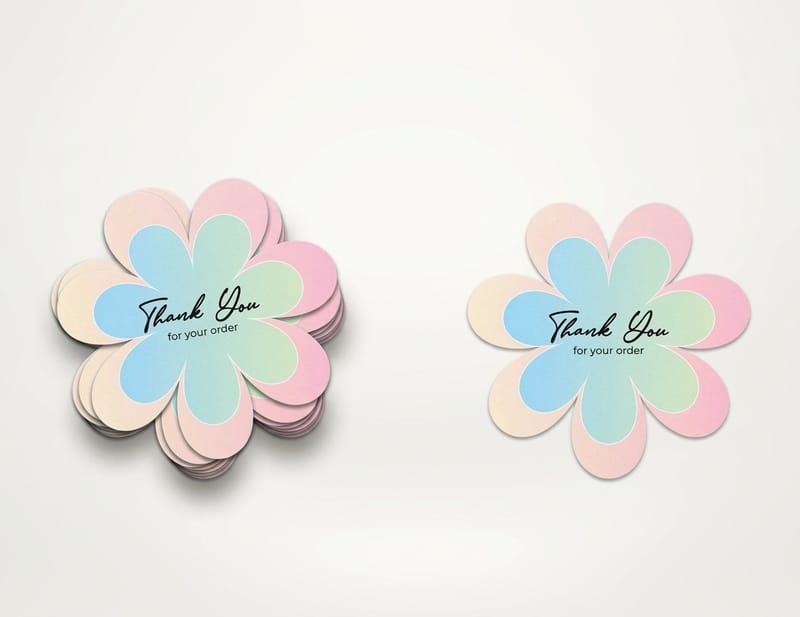
- Unique Die-Cut Shapes: Ditch the boring rectangle. A custom shape that mirrors your logo or another brand element makes your tag instantly recognizable.
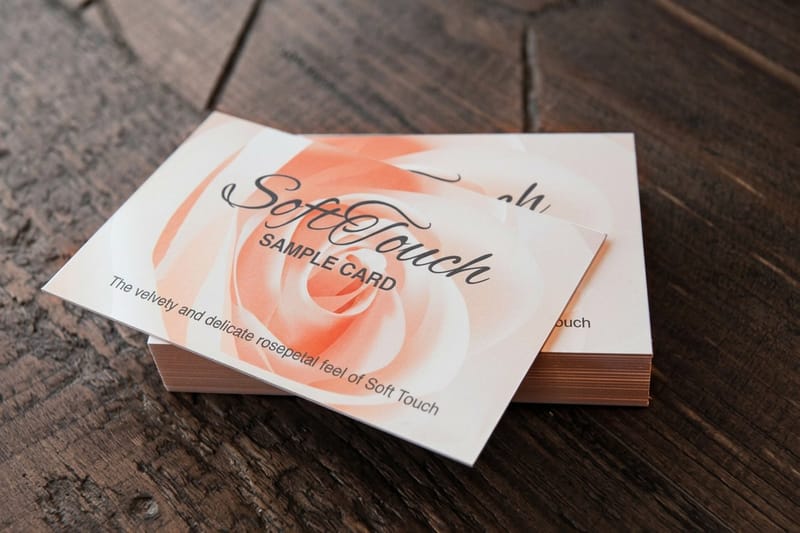
- Tactile Finishes: Finishes like embossing (a raised texture) or debossing (a pressed-in design) add a layer of sophistication. They practically beg to be touched.
- Specialty Foils: Adding a flash of metallic foil in gold, silver, or rose gold creates a luxe highlight. It catches the light and draws the eye right where you want it.
By combining these visual and physical details, your hang tag stops being an afterthought and starts playing a central role in the customer experience.
The Finishing Touches: Creating a Premium Hang Tag
Think of the hang tag's finish as the secret sauce. It's what takes a simple piece of cardstock and turns it into something special—a tangible piece of your brand that customers notice. The right finish is often the difference between a tag that gets ripped off and tossed aside and one that feels too nice to throw away. It’s all about adding texture, a bit of shine, and a sense of quality you can literally feel.
Imagine a basic, uncoated tag. It does the job, but it’s just a blank canvas. Now, picture adding a flash of metallic foil. It’s like putting a small piece of jewelry on the tag. That glint of gold or silver instantly communicates luxury and catches the eye, boosting the perceived value of your garment before a customer even looks at the price tag.
Printing Methods That Make a Difference
How your design gets onto the paper is a huge part of the final look and feel. The two most common paths are digital and offset printing, and each one has its place depending on what your brand needs.
Digital Printing: This is your best friend for smaller runs or designs that are heavy on color. It works a lot like a sophisticated office printer, meaning you get quick turnarounds without high setup costs. It’s perfect for new brands testing the waters or for limited-edition drops where you need vibrant, full-color designs without a massive upfront investment.
Offset Printing: When you're ordering in bulk, offset is the undisputed industry standard. This method uses printing plates to transfer ink, delivering incredibly sharp, consistent colors every single time. The initial setup is more involved, but the cost per tag plummets on large orders, making it the most economical choice for established brands with big production runs.
Choosing the right method for your custom hang tags clothing is really a balancing act between your order size, the complexity of your artwork, and your budget.
A finish isn't just for show; it's a tactile promise. When a customer feels the raised texture of an embossed logo or the slick gloss of a Spot UV accent, they are physically interacting with your brand's commitment to quality.
That physical connection is a powerful, unspoken signal that the garment itself was made with the same care and attention to detail.
Adding Dimension and Flair with Specialty Finishes
Beyond the printing itself, specialty finishes are what really add that "wow" factor. These techniques play with light and texture to create an impression that sticks.
Embossing & Debossing: Want to add a touch of classic elegance? Embossing raises your logo or text up from the surface, creating a 3D effect you can feel. Debossing does the opposite, pressing the design into the paper. Both add a sophisticated, tactile quality that just screams premium.
Foil Stamping: This is how you get that brilliant metallic shine. The process uses heat and pressure to apply a thin layer of foil to the tag. It’s perfect for creating a high-impact, luxurious detail that catches the light and demands attention.
Spot UV: Picture a super high-gloss varnish, but applied only to specific parts of your design—like your logo or a key graphic. This creates a stunning contrast between a matte paper background and a slick, shiny element, making your branding literally pop off the tag.
Each of these finishes tells a slightly different story, from timeless craftsmanship to bold, modern style. By mixing and matching them, you can design a hang tag that doesn't just hold information, but tells a story about your brand's quality before the customer even tries anything on.
Making Your Hang Tags Interactive with Technology

A hang tag used to be a simple piece of paper destined for the trash. Not anymore. Today, it can be a clever bridge connecting your physical clothing to your online world. By adding a bit of simple tech, your custom hang tags for clothing become interactive experiences that keep customers engaged long after they've left the store.
The easiest way to make this happen? A QR code. Think of it as a direct portal from your garment to any online destination you want. A quick scan can pull a customer out of a busy retail aisle and into an immersive digital space, building a much deeper connection to your brand.
Creating a Digital Handshake with QR Codes
Adding a QR code is a deceptively simple move with a huge payoff. It costs nothing to create and opens up a universe of content that could never fit on a small piece of cardboard. It’s your chance to continue the conversation and give your customers more than just a piece of clothing.
So, what can you link to?
- Styling Videos: Show them three different ways to wear that exact shirt they're holding.
- Detailed Care Guides: Link to a quick video or blog post on washing delicate fabrics so their new favorite piece lasts.
- Your Brand Story: Take them "behind the scenes" to see your ethical production process or meet the artisans who made their garment.
- Exclusive Content: Give them access to a special playlist, a sneak peek at the next collection, or an invite to your online community.
A QR code turns a one-way message into a two-way conversation. It’s an invitation for the customer to explore, learn, and become a true part of your brand's world—all on their own terms.
This small square shows you’ve thought about the entire customer experience, offering them support and inspiration that goes way beyond the rack.
The Power of RFID for Modern Retail
For brands operating at a larger scale, Radio Frequency Identification (RFID) offers a more advanced solution. Think of an RFID chip embedded in a hang tag as a unique digital fingerprint for every single item. This opens up a world of benefits for both your business operations and the end consumer.
On the business side, RFID is a game-changer for:
- Inventory Management: What used to take hours of manual counting can now be done in minutes with near-perfect accuracy.
- Product Authentication: It allows customers to instantly verify the authenticity of high-value items, which is a powerful tool against counterfeits.
- Enhanced Checkout: RFID enables a faster, smoother, and more modern point-of-sale experience.
The adoption of this tech isn't just a trend; it's a massive shift. The global market for UHF RFID clothing hang tags was valued at USD 5.24 billion in 2023 and is expected to explode to USD 15.79 billion by 2032. This incredible growth shows just how seriously major apparel brands are taking operational efficiency and supply chain transparency. You can find more data on the rapidly expanding RFID hang tag market.
Common Hang Tag Mistakes and How to Avoid Them
Investing in custom hang tags for clothing is a fantastic move, but a few simple missteps can totally kill their effect. Think of your hang tag as your last chance to talk to the customer before they head to the checkout. You want that final impression to be sharp, convincing, and professional.
So, where do brands usually go wrong? Let's walk through the most common traps and how you can steer clear of them.
Mistake #1: Information Overload
It's so tempting to squeeze every last detail onto that little piece of cardstock. The problem is, this turns your tag into a cluttered mess that customers will just ignore. A tag jam-packed with tiny text isn't just hard to read; it feels overwhelming and looks amateur.
The goal is to guide the customer's eye, not assign them homework.
Your hang tag should be an elegant summary, not the entire novel. Stick to the absolute must-haves: your logo, the price, the size, and your website. Anything else is probably just noise.
Keeping the design clean and focused ensures the important stuff registers in a split second. Trust me, a minimalist approach almost always looks more high-end and confident.
Mistake #2: Skimping on Material Quality
Another classic mistake is picking the cheapest paper you can find just to save a few pennies. This is the definition of "penny wise and pound foolish." A flimsy, low-quality tag sends a quiet but powerful message: the garment itself might be cheaply made, too. You're accidentally undermining the very product you're trying to sell.
The fix is simple: match the tag's quality to the product's price point and brand feel.
- For premium apparel: This is where you invest. Think thick, textured cardstock, or even get creative with materials like fabric or leather to signal pure luxury.
- For mid-range items: A solid, coated cardstock gives you that professional, durable feel without blowing up your budget.
- For eco-conscious brands: Using high-quality recycled paper or a nice kraft stock is a no-brainer. It instantly aligns the tag with your brand’s sustainable mission.
Mistake #3: Design and Readability Blunders
Finally, some basic design choices can make or break your tag. Fonts that are too frilly or too small are a huge turn-off—they make the tag impossible to read and just frustrate people. The same goes for a design that clashes with your clothing's vibe, like a loud, neon tag hanging off a minimalist linen shirt. It creates a jarring disconnect.
The key to avoiding this is consistency. Your tag's font, colors, and overall style should feel like they came from the same world as your brand identity. It needs to feel like a natural extension of the garment it's attached to, reinforcing your brand story one last time.
Got Questions About Custom Hang Tags? We've Got Answers.
When you're diving into the world of custom hang tags, a few questions always seem to pop up. Getting them answered upfront helps you make smart, practical choices for your apparel line, ensuring your tags do more than just hang there—they work for your brand.
What’s a Good, Safe Size for a Hang Tag?
There's no single magic size, but a fantastic starting point for most clothing is 2 x 3.5 inches. If that sounds familiar, it's because it's the same size as a standard business card. It's a sweet spot that gives you enough room for your branding without overpowering the garment itself.
But really, it's all about proportion. Think about it: a delicate silk camisole would be overwhelmed by a huge tag, while a big, chunky winter coat can easily handle something more substantial. Always step back and consider the piece of clothing the tag will live on.
What Absolutely Has to Be on a Hang Tag?
At the bare minimum, your hang tag needs to answer a customer's first few questions at a glance. It's your product's first handshake.
The best hang tags strike a perfect balance between brand personality and essential info. Always choose clarity over clutter. Your logo, price, and size are the non-negotiables. Everything else is a bonus that should add value, not confusion.
Here are the must-haves:
- Your Brand Logo: This is your hero. Make it prominent for instant brand recognition.
- Price: Don't make them hunt for it. Clear pricing prevents frustration.
- Size: The most critical piece of info for anyone deciding to buy.
Want to take it a step further? Add your website and your main social media handle. It’s a simple, direct invitation for customers to connect with you online.
How Does MOQ Affect My Order?
You'll hear the term MOQ a lot, which stands for Minimum Order Quantity. It's simply the smallest number of tags a printer will agree to produce in one run. Getting a handle on your supplier's MOQ is a crucial part of managing your budget, especially if you're a smaller or emerging brand.
The basic rule of thumb is that the more tags you order, the less you'll pay for each one. For new brands or those testing the waters with a limited collection, finding a printing partner with a low or flexible MOQ is a game-changer. It helps you avoid tying up cash and ending up with boxes of unused tags.
Ready to create hang tags that truly capture your brand's story? At 4OVER4, we have a huge range of materials, unique finishes, and endless customization options to bring your vision to life. Design your perfect custom hang tags today!
More from custom hang tags clothing
10
When you hear "table tent specs," what we're really talking about are the foundational details for printing them correctly: the
Emma Davis
Jan 27, 2026
61
When you're ready to print a poster, one of the first questions you'll face is, "What size should it be?" The industry has a
Emma Davis
Jan 26, 2026
88
Picture this: you're at a networking event, and someone hands you their business card. You do the usual glance—name, title, company—an
Emma Davis
Jan 25, 2026
104
Believe it or not, figuring out how to make a card in Word is surprisingly easy. You can knock out everything from slick, professional busines
Emma Davis
Jan 24, 2026
104
Printing on packaging takes a simple container and turns it into one of your most powerful marketing tools. It’s the very first physical int
Emma Davis
Jan 23, 2026
326
When you're getting ready to print a flyer, one of the first questions you'll face is, "What size should it be?" The most co
Emma Davis
Jan 22, 2026
332
How Our Free Business Cards Program Works (Quick Overview) Free business cards are available through two different
Emma Davis
Jan 22, 2026
179
A QR code business card does more than just share your name and number; it cleverly merges your physical card with your digit
Emma Davis
Jan 21, 2026