


Top Business Card Design Tips to Make an Impact

    user icon

    Emma Davis

    Content Writer

    Jun 7, 20252305 views

    Jun 7, 20252305 views

    Top Business Card Design Tips to Make an Impact

    Make Your Mark with a Memorable Business Card

    Your business card is a first impression and a branding opportunity. These seven business card design tips will help you create a card that effectively communicates your brand and makes a lasting impact. Learn how to optimize your card's design, from choosing the right paper stock and font to maximizing the use of both sides. These simple yet powerful concepts can elevate your business card from a contact exchange to a memorable marketing tool.

    1. Keep It Simple and Uncluttered

    In the realm of business card design, the age-old adage "less is more" reigns supreme. A cluttered business card can overwhelm the recipient, making it difficult to discern the essential information. A clean, minimalist approach, on the other hand, exudes professionalism and ensures your contact details are easily accessible and memorable. This principle of "keeping it simple and uncluttered" is paramount for creating a business card that effectively represents you and your brand. It focuses on delivering maximum impact with minimal elements, ensuring your card stands out for its clarity and sophistication rather than an overabundance of design features.

    Keep It Simple and Uncluttered

    This approach hinges on several key features: generous use of white space, a limited color palette (typically two to three colors maximum), a clear hierarchy of information, minimal text content, and strategic placement of elements. White space, often underestimated, provides breathing room for the design and draws attention to the crucial information. Restricting the color palette maintains a professional and cohesive look, while a clear hierarchy guides the recipient's eye through the card’s content in a logical order. This hierarchy can be achieved through variations in font size, weight, and color. Minimizing text content ensures the card isn't overwhelming, allowing the recipient to quickly grasp the key details. Lastly, the strategic placement of elements, such as the logo, name, and contact information, contributes to a balanced and visually appealing design.

    Think of industry giants like Apple, Google, and Airbnb. Apple's business cards are iconic for their minimal text and ample white space, instantly communicating a sense of sophisticated simplicity. Google’s clean, typography-focused cards emphasize their brand identity through carefully selected fonts, while Airbnb's simple cards leverage their distinctive logo as the primary visual element. These examples demonstrate how a minimalist design can effectively communicate brand identity and essential information without unnecessary clutter.

    The benefits of a simple and uncluttered design are numerous. Firstly, it's easier to read and understand quickly, enabling recipients to instantly grasp your contact details. Secondly, a clean design projects a professional and sophisticated image, enhancing your credibility. Thirdly, by focusing on essential information, a minimalist card increases the likelihood of the recipient remembering your details. Furthermore, a simple design is often more cost-effective to print, requiring less ink and simpler printing processes. Finally, a timeless minimalist design won’t look outdated quickly, ensuring your cards remain relevant for years to come.

    However, it's important to acknowledge the potential downsides. A minimalist design, if not executed well, can appear boring or generic, failing to capture attention in competitive industries. The limited space for creative expression might also be a constraint for some. Finding the right balance between simplicity and visual interest is crucial to avoid a bland and forgettable card.

    To successfully implement a minimalist design for your business card, consider these actionable tips:

    • Include only essential contact information: Your name, title, company, phone number, email address, and website are usually sufficient. Consider a QR code to link to a more comprehensive online profile if needed.
    • Use a maximum of two fonts: Too many fonts can create a cluttered and unprofessional look. Choose two complementary fonts or stick with one for ultimate simplicity.
    • Maintain consistent spacing between elements: Consistent spacing enhances readability and creates a sense of order and professionalism.
    • Choose one focal point per side: This could be your logo, your name, or a striking visual element. Having a single focal point helps draw the eye and prevents the design from feeling overwhelming.
    • Test readability at actual card size: What looks good on a computer screen might be illegible at actual card size. Print a test copy to ensure all text is easily readable.

    This minimalist approach is particularly beneficial for businesses and individuals seeking to project a professional and sophisticated image. It's ideal for industries where clarity and credibility are paramount, such as finance, law, and technology. However, even in more creative fields, a minimalist approach can be highly effective, demonstrating a focus on quality and attention to detail. By embracing the principle of "keep it simple and uncluttered," you can create a business card that is both visually appealing and highly effective in conveying your essential information.

    2. Choose High-Quality Paper and Printing

    Your business card is often the first tangible impression you make, and its physical quality speaks volumes before you even utter a word. Choosing high-quality paper and printing elevates your business card from a simple contact information exchange to a tactile experience that conveys professionalism, reliability, and a keen attention to detail. This seemingly small investment can significantly impact how others perceive your brand and ultimately influence their decision to do business with you.

    Choose High-Quality Paper and Printing

    The weight and feel of the card, the crispness of the printing, and the subtle textures all contribute to a subconscious assessment of your brand's quality. A flimsy, cheaply printed card can suggest that your business cuts corners, while a premium card demonstrates that you value quality and invest in the details. This is why selecting the right paper stock, printing techniques, and finishes is a crucial element of effective business card design tips.

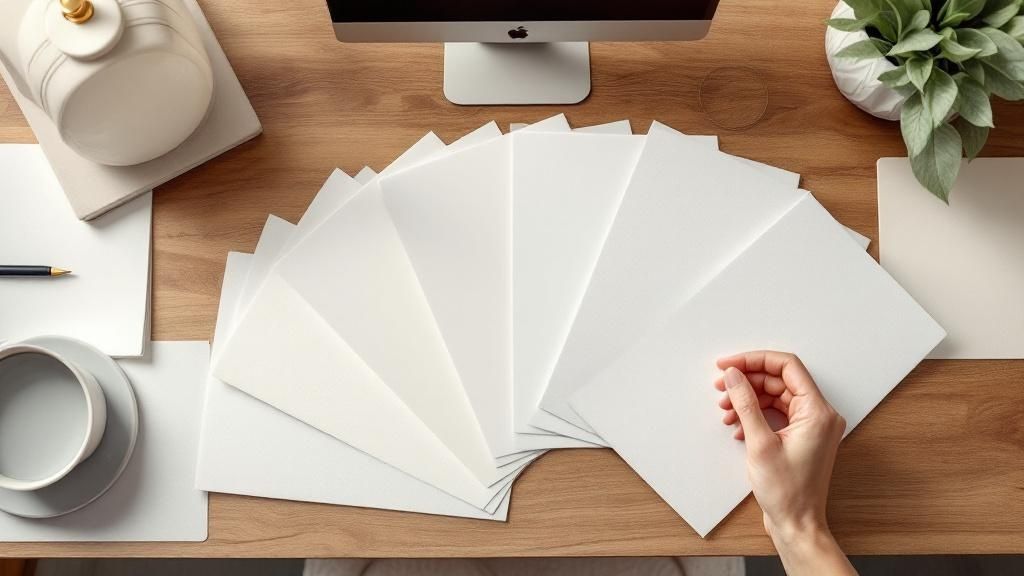
    Paper weight is a key factor. Standard business cards are often printed on thin, flimsy stock. Opting for a heavier weight, between 14-16pt, creates a more substantial and durable card that feels premium in the hand. Beyond weight, a variety of finishes can further enhance the tactile experience. A matte finish offers a sophisticated, understated look, while a glossy finish adds a touch of vibrancy and shine. Satin finishes provide a smooth, silky feel, and uncoated paper offers a natural, textured appeal.

    Special printing techniques can truly set your business card apart. Embossing creates a raised, three-dimensional effect, adding a touch of elegance and sophistication. Foil stamping, available in various metallic shades, adds a luxurious sheen and highlights specific design elements. Letterpress, a traditional printing method, creates a deep impression in the paper, resulting in a unique, textured feel.

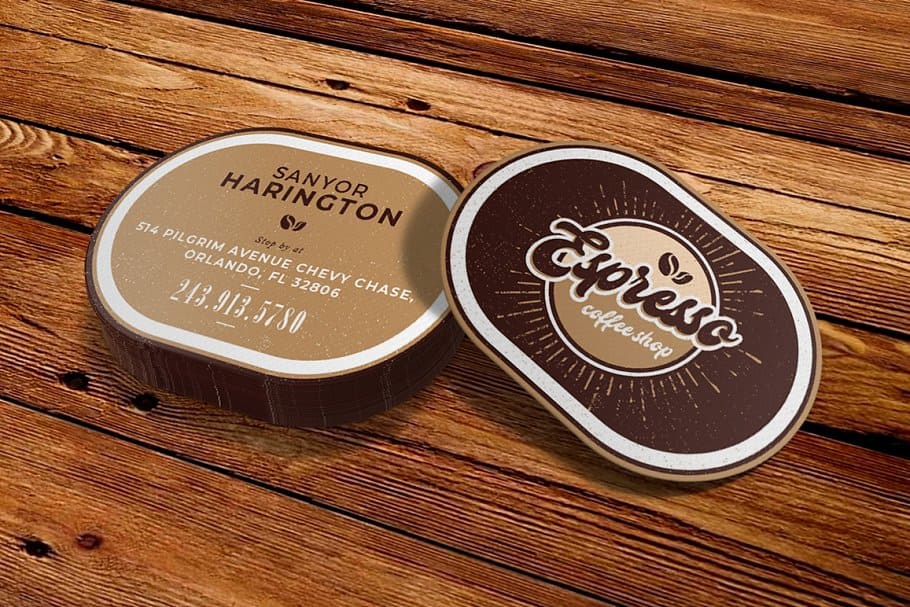
    Even the edges of your card can be customized. Rounded corners offer a softer, more modern look and prevent the corners from bending or creasing. Painted edges, where the side of the card is colored, add a pop of color and a unique visual detail that sets your card apart.

    Texture adds another dimension to the tactile experience. Linen, felt, and smooth finishes offer different tactile sensations, allowing you to choose a texture that aligns with your brand's personality. For instance, a law firm might choose a thick, textured linen paper with an embossed logo to convey tradition and authority. A luxury brand might employ foil stamping and a glossy finish for a glamorous feel. An architect might opt for uncoated paper with a simple, minimalist design for a sophisticated, modern look.

    Learn more about Choose High-Quality Paper and Printing to explore different printing options and paper stocks available.

    While high-quality paper and printing offer numerous benefits, it's important to consider the potential drawbacks. Premium printing typically comes at a higher cost than standard printing and often requires longer production times. It may also require larger minimum order quantities. For some industries, such as startups or businesses with tight budgets, the added expense might be overkill. Therefore, it's essential to weigh the pros and cons and balance quality with your budget constraints.

    Pros of High-Quality Paper and Printing:

    • Creates a premium, professional impression
    • More durable and long-lasting
    • Enhanced tactile experience
    • Stands out from standard cards
    • Reflects the quality of your business

    Cons of High-Quality Paper and Printing:

    • Higher cost than standard printing
    • Longer production times
    • May be overkill for some industries
    • Requires larger minimum order quantities

    Tips for Choosing High-Quality Paper and Printing:

    • Request paper samples: Before committing to a specific paper stock and finish, request samples from the printer. This allows you to see and feel the different options in person and make an informed decision.
    • Consider your industry's expectations: Certain industries have established norms and expectations for business card design. Research what's common in your field and choose options that align with those standards while still reflecting your unique brand identity.
    • Balance quality with budget constraints: High-quality printing doesn't have to break the bank. Explore different options and find a balance between quality and affordability.
    • Test how ink looks on different paper types: The same ink can look different on various paper types and finishes. Test your design on different samples to ensure the final product looks as intended.
    • Choose finishes that complement your brand: The finish you choose should complement your brand's overall aesthetic. A sleek, modern brand might opt for a smooth, matte finish, while a vibrant, creative brand might choose a glossy or textured finish.

    By carefully considering these factors and following these business card design tips, you can create a business card that not only conveys your contact information but also makes a lasting positive impression and reinforces your brand's identity.

    3. Use Readable Fonts and Appropriate Sizing

    Typography is the silent ambassador of your brand on your business card. It speaks volumes about your professionalism, attention to detail, and overall brand personality. Choosing readable fonts and appropriate sizing is paramount for ensuring your contact information is accessible and leaves a positive impression. Poor typography can render even the most creatively designed business card ineffective, making it crucial to prioritize legibility and clarity. This seemingly simple design element can make or break the effectiveness of your business card as a networking tool.

    Use Readable Fonts and Appropriate Sizing

    Effective typography on a business card hinges on a few key factors: selecting appropriate typefaces, sizing them correctly, and maintaining a clear visual hierarchy. Your font choices should reflect your brand identity. A tech startup might opt for a modern, clean sans-serif font, while a law firm might choose a more traditional serif font. Size is equally important. A minimum font size of 8pt for body text is generally recommended, with names and titles ideally set at 10pt or larger. This ensures readability across various age groups and vision abilities. Finally, establishing a clear hierarchy through variations in font size, weight, and style helps guide the reader's eye through the information, making it easy to quickly find what they need.

    Successful implementation of this principle can be seen in many well-known brands. IBM, for example, leverages its custom Plex typeface, a modern and versatile font family that embodies the company's innovative spirit while remaining highly legible. FedEx's use of a bold, easily readable font, particularly for their logo and company name, ensures instant recognition and reinforces their brand identity of reliability and efficiency. More traditional businesses, such as law firms, often employ classic serif fonts like Times New Roman, projecting an image of established authority and professionalism. These examples demonstrate how typography can effectively communicate a brand's personality and values while maintaining readability.

    This approach is essential for any business card design, regardless of industry or brand aesthetic. It directly impacts the accessibility and usability of the card, ensuring that recipients can easily decipher the provided information. By prioritizing readability, you demonstrate professionalism and a commitment to clear communication, which can significantly enhance your brand image.

    Pros of Using Readable Fonts and Appropriate Sizing:

    • Ensures Accessibility: Information is easily digestible for everyone, regardless of age or visual acuity.
    • Conveys Professionalism: Thoughtful typography demonstrates attention to detail and elevates the perceived quality of your brand.
    • Improves Brand Consistency: Consistent font choices across marketing materials strengthen brand recognition.
    • Enhances Overall Design Quality: Well-chosen typography elevates the entire design, making it more visually appealing and impactful.

    Cons of Using Readable Fonts and Appropriate Sizing:

    • Limits Creative Font Choices: Focusing on readability may restrict the use of highly stylized or decorative fonts.
    • May Require Larger Card Sizes: Accommodating larger font sizes and sufficient spacing might necessitate a larger card format.
    • Can Be Challenging with Decorative Designs: Balancing readability with intricate design elements can be complex.
    • Restricts Design Flexibility: Strict adherence to readability guidelines can sometimes limit creative exploration.

    Actionable Tips for Business Card Design Typography:

    • Test Readability at Actual Print Size: Don’t rely solely on screen previews. Print a test version to assess legibility.
    • Use No More Than Two Font Families: Maintain visual harmony and avoid a cluttered look by limiting your font choices.
    • Ensure 10pt Minimum for Names and Titles: Make key information stand out and easily identifiable.
    • Maintain Consistent Font Weights: Avoid using too many different weights (bold, italic, etc.) within the same font family.
    • Consider Your Target Audience's Demographics: Tailor your font choices and sizing to suit the age and visual needs of your target audience. For example, if your target demographic is older, slightly larger font sizes might be beneficial.

    By prioritizing readable fonts and appropriate sizing, you ensure that your business card effectively fulfills its purpose as a concise and accessible communication tool. This fundamental principle, popularized by typography experts, design schools, and corporate branding guidelines, significantly contributes to a professional and impactful business card design that resonates with your target audience. By following the tips outlined above, you can create a business card that is not only visually appealing but also effectively communicates your brand message and contact information, ultimately contributing to successful networking and business growth.

    4. Include Only Essential Information

    In the realm of business card design, less is often more. Including only essential information is a crucial tip that can significantly impact the effectiveness of your card. This principle revolves around prioritizing the most critical contact details and avoiding unnecessary clutter. The goal is to provide just enough information for someone to connect with you while maintaining a clean, uncluttered design that enhances readability and memorability. A cluttered card can be overwhelming and may lead to your key information being overlooked. A well-designed, minimalist card, on the other hand, makes a strong professional statement and ensures your contact details are easily accessible. This approach is particularly relevant in today's fast-paced world where people are constantly bombarded with information. A concise and clear business card is more likely to stand out and be retained.

    Include Only Essential Information

    The essential information typically includes your name and job title, primary phone number, professional email address, company name and logo, and website or LinkedIn profile URL. A physical address is relevant for businesses with a storefront or office that clients frequently visit, like retail stores or consulting firms. For businesses operating primarily online, a physical address is often unnecessary.

    This minimalist approach carries several benefits. First, it prevents information overload, making it easier for the recipient to quickly grasp and retain your contact details. Second, it allows for larger, more readable text, improving the overall user experience. Third, a clean card projects a more professional and organized image. Fourth, it focuses attention on the key contact methods you want people to use. Finally, a simpler design is typically easier and less expensive to create and print.

    However, there are also some potential drawbacks to consider. Omitting secondary information like a fax number or secondary email address might be inconvenient in certain situations. This method necessitates careful selection of which information is truly essential, which can be subjective and dependent on your industry and target audience. You might even need to develop multiple versions of your business card for different networking scenarios or target demographics. For example, a card distributed at a conference might prioritize your LinkedIn profile, while a card given to a local client might emphasize your phone number and physical address. Finally, limiting the information on your card could potentially restrict networking opportunities if someone is looking for a specific piece of information that you've chosen to omit.

    Here are some examples of successful implementation: Tech startups often focus on their email address and LinkedIn profile, recognizing the digital nature of their industry. Retail businesses, on the other hand, typically emphasize their location and phone number to encourage in-person visits. Consultants and freelancers often highlight their area of expertise and website to showcase their portfolio and services.

    To effectively apply this principle to your business card design, consider these actionable tips: Prioritize your most frequently used contact method. Ensure you use a professional email address, avoiding generic free email providers. Include social media handles only if they are relevant to your professional activities. Consider using a QR code to provide additional information, such as a link to your full online portfolio or a special offer. Lastly, regularly review and update the information on your card to ensure its accuracy and relevance.

    This "less is more" philosophy in business card design has been popularized by minimalist designers, startup founders, and professional networking experts who understand the value of concise and impactful communication. By adopting this approach, you can ensure your business card serves its primary purpose: to connect you with potential clients and partners effectively. This principle contributes significantly to a strong and professional first impression, making it a well-deserved inclusion in any list of business card design tips.

    5. Create a Consistent Brand Identity

    Your business card is often the first tangible impression you make, and it should speak volumes about your brand. Creating a consistent brand identity across all your marketing materials, including your business card, is crucial for building recognition, establishing credibility, and maximizing your marketing efforts. This means your business card should seamlessly integrate with your overall brand identity, serving as a miniature representation of your company’s visual language. Think of it as a pocket-sized ambassador for your brand, communicating your values and personality at a glance. This is why establishing a consistent brand identity deserves a prominent place in any list of business card design tips.

    A consistent brand identity translates to a cohesive visual experience for your audience. It’s about ensuring that every element, from your logo and color scheme to your typography and messaging, aligns perfectly with your brand guidelines. This consistency fosters a sense of familiarity and trust, making it easier for potential clients or partners to recognize and remember your brand.

    Consistent brand identity on your business card encompasses several key features:

    • Consistent Color Scheme: Use the exact colors defined in your brand guidelines. This includes specifying Pantone or CMYK codes to guarantee color accuracy across different printing methods. Don't deviate from these established colors; they are a core component of your brand's visual identity.
    • Proper Logo Usage and Placement: Your logo is the cornerstone of your brand. Ensure it is used correctly and consistently on your business card, adhering to established size and placement guidelines. A distorted or improperly placed logo can damage your brand image.
    • Brand-Appropriate Typography: Font choices contribute significantly to your brand's personality. Select fonts that align with your brand guidelines and maintain consistency in font usage across all your marketing materials, including your business card.
    • Consistent Tone and Messaging: Even the briefest message on your business card should reflect your brand's tone of voice. Maintain a consistent messaging style that aligns with your overall brand communication.
    • Alignment with Other Marketing Materials: Your business card shouldn't exist in isolation. It needs to visually connect with your website, letterhead, brochures, and other marketing materials, creating a unified and recognizable brand presence.

    The advantages of maintaining a consistent brand identity are numerous:

    • Strengthens Brand Recognition: When your audience consistently sees the same visual elements, they begin to associate them with your brand, leading to increased recognition.
    • Creates Professional Cohesion: A cohesive brand identity projects professionalism and attention to detail, building trust and credibility with potential clients.
    • Builds Trust and Credibility: Consistency signals reliability and stability, fostering trust in your brand and its offerings.
    • Enhances Marketing Effectiveness: A consistent brand identity reinforces your marketing messages and increases their impact.
    • Simplifies Design Decisions: Established brand guidelines provide a clear framework for design choices, streamlining the design process.

    However, maintaining a consistent brand identity also presents some challenges:

    • Limits Creative Freedom: Adhering to strict brand guidelines can sometimes restrict creative exploration in business card design.
    • Requires Established Brand Guidelines: This approach necessitates having comprehensive brand guidelines in place.
    • May be Restrictive for Personal Brands: Individuals building a personal brand might find strict adherence to brand guidelines limiting.
    • Needs Regular Updates with Brand Changes: As your brand evolves, your brand guidelines and business card design need to be updated accordingly.

    Consider these successful examples of consistent brand identity: Coca-Cola’s instantly recognizable red and white color scheme, Starbucks’ consistent use of green across all their materials, and the seamless integration of Nike’s swoosh logo into their branding. These brands have leveraged consistent brand identity to build global recognition and customer loyalty.

    To achieve a consistent brand identity on your business card, follow these actionable tips:

    • Develop Comprehensive Brand Guidelines: If you don't have them already, create detailed brand guidelines that cover logo usage, color palettes, typography, and messaging.
    • Use Exact Brand Colors (Pantone/CMYK Codes): Ensure accurate color reproduction by specifying Pantone or CMYK codes for your brand colors.
    • Maintain Consistent Logo Sizing and Placement: Follow your brand guidelines for logo size and placement to maintain visual consistency.
    • Align with Website and Letterhead Design: Your business card design should complement your website and letterhead, creating a unified brand experience.
    • Consider Brand Personality in Material Choices: The material you choose for your business card can also reflect your brand personality. A sleek, minimalist design might call for a matte finish, while a more vibrant brand could opt for a glossy finish.

    Learn more about Create a Consistent Brand Identity for further insights and resources on creating effective marketing materials that align with your brand identity. By implementing these business card design tips, you can ensure that your business card effectively represents your brand and makes a lasting positive impression. It's a small investment that can yield significant returns in terms of brand recognition and business growth.

    6. Consider Unique Shapes and Sizes

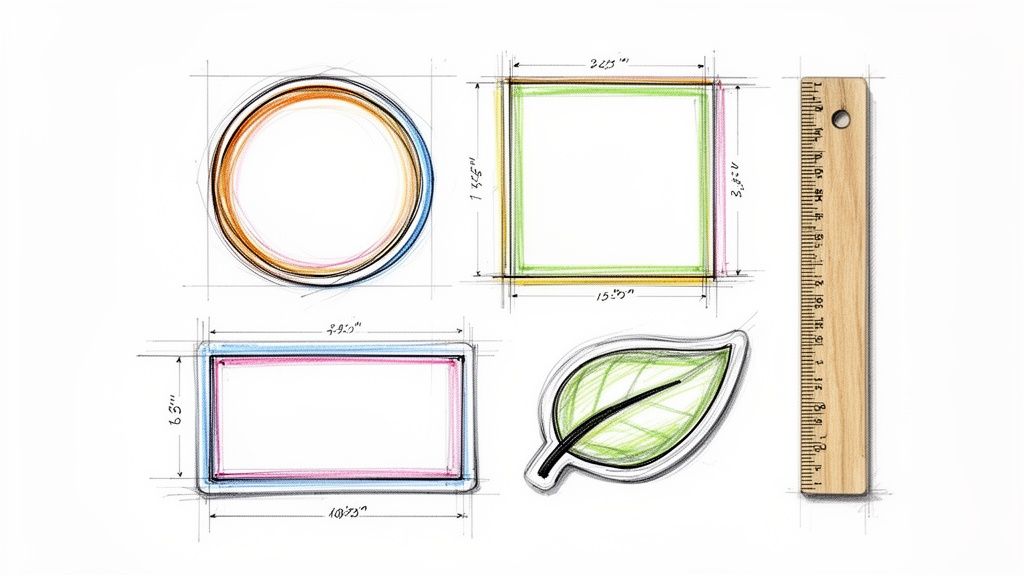
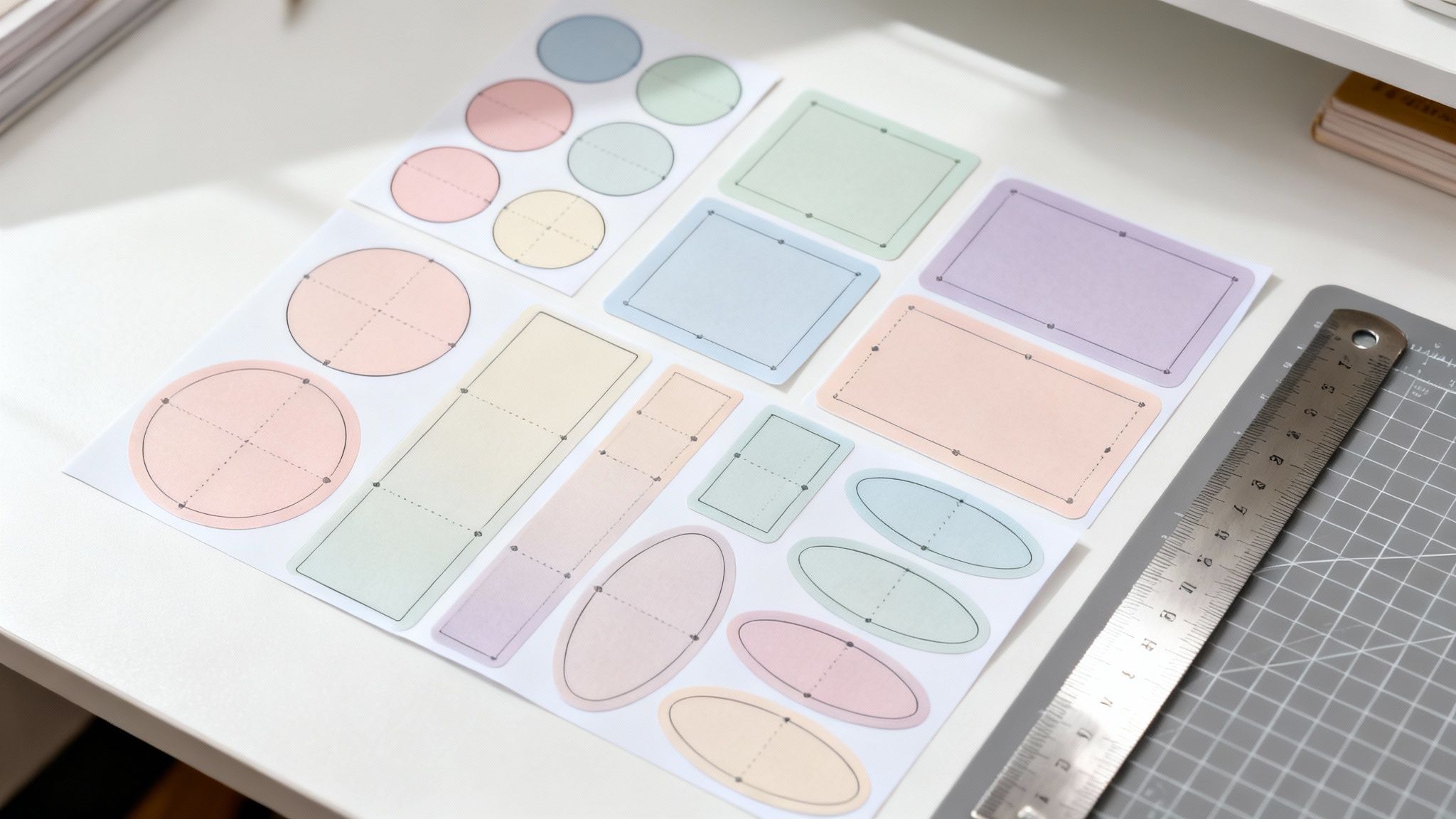
    In the competitive world of business, making a lasting impression is crucial, and your business card is often the first tangible representation of your brand a potential client encounters. While the standard 3.5" x 2" rectangle remains a staple, thinking outside the box – literally – with unique shapes and sizes for your business cards can significantly enhance your brand image and create a memorable experience for those who receive them. This is a powerful business card design tip that can elevate your networking efforts.

    This approach leverages the element of surprise and novelty. A uniquely shaped card disrupts the expected, capturing attention and sparking curiosity. It's a way to physically embody your brand's personality and values, making a statement before a single word is spoken. Imagine a yoga instructor handing out a business card shaped like a yoga mat, or a restaurant presenting a card resembling a chef's knife. These unconventional shapes immediately communicate the nature of the business and leave a lasting impression.

    There are various ways to implement this business card design tip. Die-cutting allows for intricate custom shapes that can perfectly reflect your industry. Consider a real estate agent using a house-shaped card, or a creative agency employing geometric or abstract designs. Square cards offer a modern and creative appeal, while mini cards are ideal for conveying minimal, essential information in a compact format. On the other hand, oversized cards can create a sense of grandeur and importance, making a bold statement. Even something as simple as rounded corners can soften the appearance of a traditional rectangular card, adding a touch of elegance and sophistication.

    The benefits of using unique shapes and sizes are numerous. Increased memorability and impact are arguably the most significant advantages. A non-standard card is more likely to be remembered and kept, increasing the chances of future contact. It reflects creativity and innovation, portraying your business as forward-thinking and dynamic. This approach can reinforce your brand message, visually communicating your core values and offerings. It also serves as a conversation starter, providing a natural icebreaker in networking situations. Finally, and perhaps most importantly, it differentiates you from competitors, helping you stand out in a crowded marketplace.

    However, it’s crucial to carefully weigh the potential drawbacks. One major consideration is the increased printing costs associated with custom die-cutting and non-standard sizes. You’ll also need to consider practicality. Unusually shaped cards may not fit standard wallets or card holders, potentially leading to them being discarded. In conservative industries, a non-traditional card might be perceived as unprofessional or gimmicky. Furthermore, storage and filing can become problematic with unconventional shapes. Finally, you might encounter limited printer options capable of handling unique card dimensions and materials.

    Before venturing into the realm of unique shapes, ensure the shape genuinely relates to your business and enhances your brand message, rather than appearing as a forced gimmick. Test how the card fits in standard storage, such as wallets and card holders, to ensure practicality. Consider your industry’s expectations. A playful, unconventional card might be well-received in creative industries but could be detrimental in more traditional sectors. Factor in the increased printing costs and ensure the shape doesn’t compromise the readability of essential information like your contact details.

    Learn more about Consider Unique Shapes and Sizes

    This business card design tip has been popularized by creative agencies and designers, boutique branding firms, and innovative startups who understand the power of visual communication. They've demonstrated that a well-designed, uniquely shaped business card can be a powerful marketing tool, leaving a lasting impression and setting the stage for successful business relationships. By carefully considering the pros and cons and following the tips outlined above, you can leverage this approach to elevate your brand and make your business card a memorable representation of your company. Examples of successful implementation include yoga instructors using cards shaped like yoga mats, restaurants using cards shaped like kitchen utensils, and real estate agents using house-shaped cards. These examples showcase how a unique shape can effectively communicate the essence of a business.

    7. Optimize Both Sides of the Card

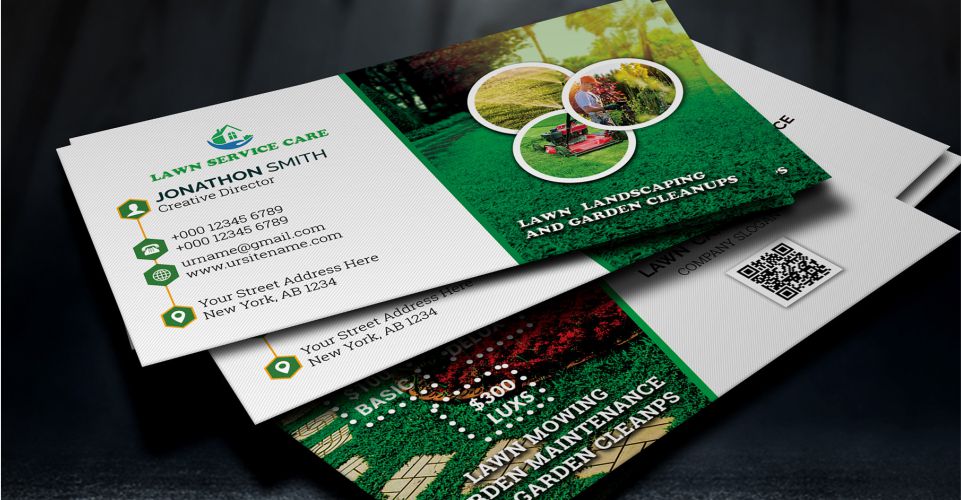
    One of the most effective business card design tips is to maximize your real estate by utilizing both sides of your card. This simple yet powerful strategy effectively doubles your available space, providing ample room for enhanced design, crucial information, and reinforced branding. Thinking beyond the front-only approach allows you to create a more impactful and memorable card, making a stronger impression on potential clients and partners. This approach is particularly valuable in today's competitive landscape, where standing out from the crowd is crucial for success. By strategically employing both sides, you transform your business card from a simple contact tool into a dynamic marketing asset, contributing significantly to your overall branding efforts. Optimizing both sides is a key component of effective business card design, offering a range of benefits for individuals and businesses alike.

    The front of your business card typically serves as the primary point of contact, prominently displaying essential information such as your name, title, company, phone number, and email address. Think of this as your digital handshake – the core information someone needs to connect with you. However, the back of the card presents a unique opportunity to expand on this initial introduction and provide additional value.

    So, how can you effectively leverage this valuable space? The possibilities are numerous and depend largely on your specific industry and business goals. For visually driven professions like photography or graphic design, the back of the card becomes a mini-portfolio, showcasing a striking image or design element that highlights your skills and aesthetic. Restaurants can utilize the back to list their hours of operation, location details, or even a QR code linking to their online menu. Consultants can feature client testimonials or highlight their credentials and areas of expertise, adding a layer of credibility and trust. Retail businesses can showcase product images, special offers, or loyalty programs, incentivizing recipients to engage further. Even a simple, elegant pattern or texture can enhance the overall visual appeal and reinforce your brand identity.

    The advantages of utilizing both sides of your business card are plentiful. It maximizes the limited space available, allowing you to convey a more complete picture of your business and offerings. This approach also opens up creative design opportunities, allowing you to incorporate visual elements that capture attention and reinforce your brand message. You can include additional useful information, such as social media handles, website URLs, or a brief company tagline. Furthermore, providing backup contact details on the back can be a lifesaver if the front gets damaged or misplaced. Ultimately, a well-designed double-sided card enhances your visual appeal and projects a sense of professionalism and attention to detail.

    However, there are also some potential drawbacks to consider. Double-sided printing inevitably increases costs, although the added value often outweighs the slight price difference. Designing for both sides also requires more complex coordination to maintain a cohesive and balanced look. There's a risk of information overload if you try to cram too much onto the card, potentially making it appear cluttered and difficult to read. A poorly executed double-sided design can detract from your overall image, so careful planning and professional execution are essential.

    To successfully implement a double-sided business card design, consider the following tips:

    • Maintain design consistency: Ensure a cohesive visual flow between the front and back, using consistent fonts, colors, and imagery. Both sides should feel like part of a unified whole.
    • Prioritize supporting information: Use the back for information that supports the front, not essential contact details. The back should enhance, not overshadow, the primary purpose of the card.
    • Consider simplicity: A simple pattern, texture, or a striking image can add a touch of elegance without overwhelming the design.
    • Include a call-to-action: Encourage engagement by including a call-to-action on the back, such as "Visit our website," "Follow us on social media," or "Scan for exclusive offers."
    • Ensure independent functionality: Design both sides so they can function independently. Someone should be able to glean key information from either side, even if they don't immediately see the other.

    The practice of utilizing both sides of business cards has been popularized by graphic designers promoting versatile layouts, marketing experts emphasizing engagement, and professional print shops showcasing the possibilities of modern printing techniques. By following these business card design tips and carefully considering your design choices, you can create a double-sided business card that effectively communicates your brand message and leaves a lasting impression.

    7 Key Business Card Design Tips Comparison

    Tip Implementation Complexity 🔄 Resource Requirements 💡 Expected Outcomes ⭐📊 Ideal Use Cases 💡 Key Advantages ⚡
    Keep It Simple and Uncluttered Low 🔄 Minimal (design focus, low cost) 💡 Professional, memorable, timeless design ⭐📊 Corporate, minimalist, cost-conscious Easy to read, cost-effective, timeless ⚡
    Choose High-Quality Paper and Printing Medium 🔄 High (premium materials, printing) 💡 Premium impression, durable, tactile quality ⭐📊 Luxury brands, professional services Enhanced tactile experience, stands out ⚡
    Use Readable Fonts and Appropriate Sizing Low to Medium 🔄 Moderate (typography choices) 💡 Accessibility, professionalism, brand consistency ⭐📊 Corporate, legal, diverse demographics Clear information, professional appearance ⚡
    Include Only Essential Information Low 🔄 Minimal (content selection) 💡 Clean appearance, readability, focused contacts ⭐📊 Startups, networking, all industries Prevents overload, easier layout ⚡
    Create a Consistent Brand Identity Medium 🔄 Moderate (branding alignment) 💡 Strong brand recognition, trust, cohesion ⭐📊 Established brands, marketing-focused Builds trust, simplifies design ⚡
    Consider Unique Shapes and Sizes Medium to High 🔄 High (custom dies, printing costs) 💡 Memorable, creative impact, differentiation ⭐📊 Creative industries, startups, boutique firms Stands out, sparks conversations ⚡
    Optimize Both Sides of the Card Medium 🔄 Moderate to High (design, printing) 💡 Increased space, creative flexibility, enhanced info ⭐📊 Photographers, consultants, retail Maximizes space, adds design options ⚡

    Print Your Perfect Business Card with 4OVER4

    Mastering these business card design tips is crucial for making a strong first impression and leaving a lasting impact. From maintaining a clean, uncluttered design and selecting high-quality paper stock to using readable fonts and maximizing both sides of the card, each element contributes to a professional and memorable business card. Remember, your business card is often the first tangible representation of your brand that potential clients or partners encounter. By implementing these design principles, you ensure your card effectively communicates your brand identity and professionalism, ultimately leading to more meaningful connections and opportunities.

    Don't let your meticulously designed business card fall flat due to subpar printing. 4OVER4 offers exceptional print quality, diverse customization options, and a wide selection of paper stocks to bring your vision to life. Transform your digital design into a tangible masterpiece and make a lasting impression with every handshake. Visit 4OVER4 today to explore our extensive printing solutions and create the perfect business card that reflects your brand’s unique identity.

    More from business card design tips

    How to Stick a Poster on a Wall Without Any Damage
    story
    How to Stick a Poster on a Wall Without Any Damage

    12

    Want to know the real secret to getting a poster to stick to a wall without it peeling off in the middle of the night? It's all about what

    author avatarEmma Davis

    Jan 28, 2026

    The Definitive Guide to Table Tent Specs for Perfect Printing
    story
    The Definitive Guide to Table Tent Specs for Perfect Printing

    25

    When you hear "table tent specs," what we're really talking about are the foundational details for printing them correctly: the

    author avatarEmma Davis

    Jan 27, 2026

    Your Ultimate Guide to poster sizes inches: Standard Poster Sizes Explained
    story
    Your Ultimate Guide to poster sizes inches: Standard Poster Sizes Explained

    94

    When you're ready to print a poster, one of the first questions you'll face is, "What size should it be?" The industry has a

    author avatarEmma Davis

    Jan 26, 2026

    45+ Creative Ideas for the Back of a Business Card
    story
    45+ Creative Ideas for the Back of a Business Card

    101

    Picture this: you're at a networking event, and someone hands you their business card. You do the usual glance—name, title, company—an

    author avatarEmma Davis

    Jan 25, 2026

    How to Make a Card in Word for Pro Results
    story
    How to Make a Card in Word for Pro Results

    124

    Believe it or not, figuring out how to make a card in Word is surprisingly easy. You can knock out everything from slick, professional busines

    author avatarEmma Davis

    Jan 24, 2026

    Your Guide to Printing on Packaging That Captivates Customers
    story
    Your Guide to Printing on Packaging That Captivates Customers

    112

    Printing on packaging takes a simple container and turns it into one of your most powerful marketing tools. It’s the very first physical int

    author avatarEmma Davis

    Jan 23, 2026

    A Complete Guide to Flyer Size Dimensions for Perfect Printing
    story
    A Complete Guide to Flyer Size Dimensions for Perfect Printing

    389

    When you're getting ready to print a flyer, one of the first questions you'll face is, "What size should it be?" The most co

    author avatarEmma Davis

    Jan 22, 2026

    How Free Business Cards Actually Work (Updated for 2026)
    story
    How Free Business Cards Actually Work (Updated for 2026)

    345

    How Our Free Business Cards Program Works (Quick Overview) Free business cards are available through two different

    author avatarEmma Davis

    Jan 22, 2026

    Home
    Products
    Cart
    Account