


- Home
- content hub
- 9 Essential Small Business Marketing Materials for 2025
9 Essential Small Business Marketing Materials for 2025
Emma Davis
Content Writer
Jul 28, 2025686 views

In today's crowded market, standing out is no longer optional; it's essential for survival and growth. For small businesses operating with lean budgets, every marketing dollar must deliver maximum impact. The key to achieving this isn't found in a single channel but in building a powerful, integrated strategy that leverages the best of both print and digital worlds. Your collection of small business marketing materials acts as a silent salesforce, consistently working to attract new customers, build brand credibility, and drive conversions.
This comprehensive guide moves beyond generic advice to provide a detailed roundup of the most effective marketing assets every business needs. We will explore not just what to create but precisely how to use each item for optimal results, from design best practices that capture attention to strategic distribution that reaches the right audience. Think of it as your blueprint for creating a cohesive brand experience across every touchpoint, whether a potential customer is meeting you at a trade show or discovering your brand online. For a comprehensive overview of crucial assets, explore 9 essential small business marketing materials for 2025 that can significantly boost your outreach.
Prepare to transform your marketing collateral from a simple expense into a powerful growth engine. In the sections that follow, we'll dive into everything from business cards and brochures to landing pages and social media graphics, ensuring you have the tools to make a memorable impression and achieve a tangible return on your investment.
1. Business Cards
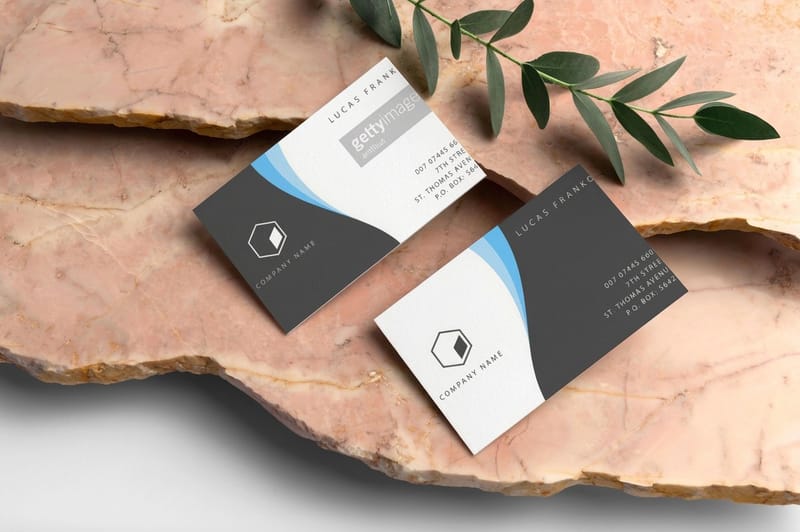
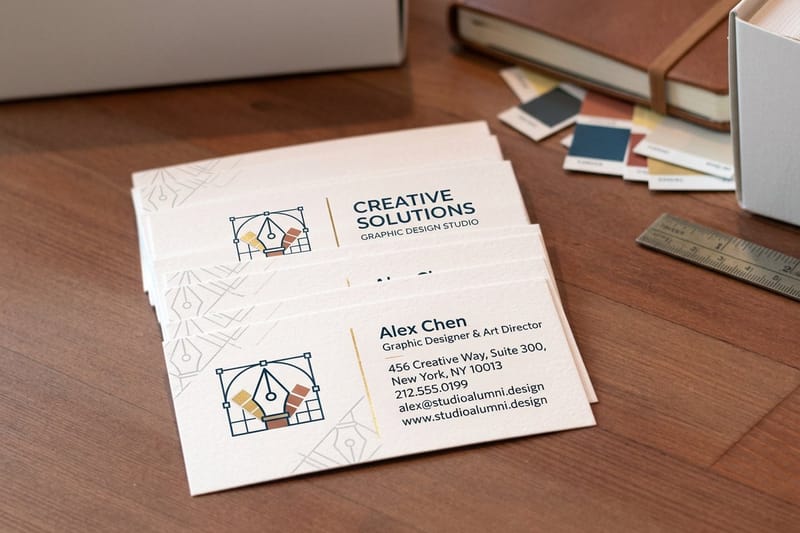
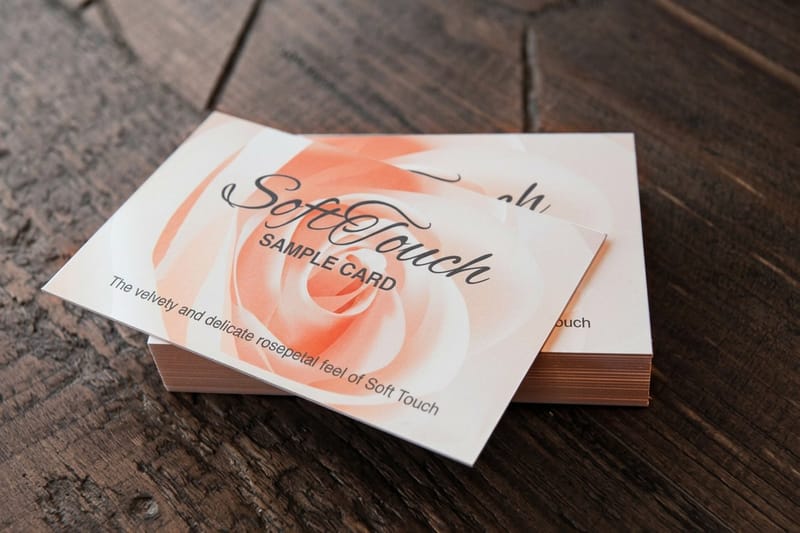
In a world dominated by digital communication, the humble business card remains one of the most effective and essential small business marketing materials. These small, printed cards are more than just a way to share contact details; they are a physical representation of your brand, a tangible reminder of a personal connection, and a powerful tool for establishing immediate credibility. When you hand someone a well-designed card, you're not just giving them information, you're making a memorable first impression.

The power of a business card lies in its physicality. Unlike a fleeting digital exchange, a card can be kept, displayed, and referenced later, reinforcing your brand identity long after a meeting ends. For small businesses, this direct, personal exchange builds trust and professionalism in a way that an email or social media connection cannot replicate.
Design and Content Best Practices
A successful business card balances aesthetic appeal with clear, concise information. The design should be an extension of your overall brand identity, using the same logos, color palettes, and fonts.
- Essential Information Only: Stick to the vitals: your name, title, company name, phone number, email, and website. Too much text creates clutter and makes the card difficult to read.
- Quality Over Quantity: Invest in high-quality cardstock (at least 16pt or 350gsm). A thick, sturdy card feels premium and suggests a professional operation. Consider finishes like matte, gloss, or soft-touch lamination for added impact.
- Readability is Key: Ensure all text is legible, using a font size of at least 8pt. High-contrast colors for text and background are crucial.
- Incorporate a QR Code: Bridge the physical-digital gap by adding a QR code that links directly to your website, a digital portfolio, a LinkedIn profile, or a special landing page.
Strategic Implementation
Think beyond just handing out cards at networking events. Include a card in every product shipment, leave a small stack at local partner businesses (like a coffee shop or community board), and always have a few ready for unexpected encounters. A restaurant might use a die-cut card shaped like its signature dish, while a tech startup could use a card with a clean, minimalist design and a prominent QR code linking to their app download page. Sites like Moo.com offer innovative options like extra-thick cardstock and unique finishes that help your brand stand out.
2. Brochures and Flyers
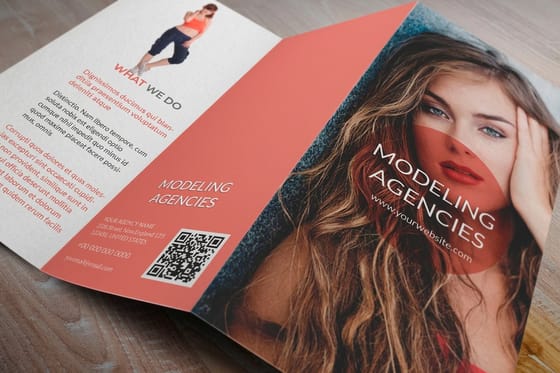
While business cards make the introduction, brochures and flyers tell the rest of the story. These classic small business marketing materials are designed to provide more detailed information than a card ever could. A flyer acts as a powerful, single-page announcement for an event, sale, or new service, designed for quick impact and wide distribution. A brochure, often folded, offers a more comprehensive dive into your company’s offerings, mission, and value proposition, serving as a leave-behind piece that educates and persuades potential customers.

The tangible nature of these materials allows you to guide a customer’s journey through your information in a controlled, visually engaging way. Unlike a website where users can click away, a well-designed brochure holds their attention, making it an ideal tool for trade shows, waiting rooms, and direct mail campaigns. They establish authority and give your business a polished, professional feel.
Design and Content Best Practices
An effective brochure or flyer must capture attention instantly and guide the reader logically through the content. The goal is to inform and inspire action without overwhelming the audience.
- Compelling Headline and Visuals: Use a strong, benefit-oriented headline to hook the reader. High-quality, professional photography or graphics are non-negotiable as they communicate value and break up text.
- Clear Information Hierarchy: Organize content with headings, subheadings, and bullet points. Guide the reader's eye through the most important information first. A real estate agency might use a large hero image of a property, followed by bulleted features, and then agent details.
- Incorporate Social Proof: Add short customer testimonials, positive reviews, or logos of well-known clients to build trust and credibility.
- Strong Call to Action (CTA): Tell the reader exactly what to do next. Whether it's "Visit Our Website," "Call Today for a Free Consultation," or "Bring This Flyer for 10% Off," the CTA should be prominent and clear.
Strategic Implementation
Deploy flyers for time-sensitive promotions and wide-net casting, like a fitness center distributing flyers in a local neighborhood to promote a new class schedule. Use brochures for more considered purchases where a customer needs detailed information. A healthcare practice can leave service explanation tri-folds in its waiting room, or a B2B tech company can mail a high-quality brochure to qualified leads after an initial discovery call. Services like Vistaprint offer a wide range of folding options and templates to get you started quickly.
3. Social Media Graphics
In today's visually driven digital landscape, social media graphics are non-negotiable small business marketing materials. These custom-designed visuals are the lifeblood of your online presence, tasked with stopping the endless scroll and capturing audience attention. More than just pretty pictures, they are strategic tools for communicating your brand's personality, promoting offers, and educating your audience in a format optimized for platforms like Instagram, Facebook, and LinkedIn.

The power of social media graphics lies in their ability to convey complex information quickly and memorably. A well-crafted infographic or a vibrant promotional image can achieve more engagement in seconds than a block of text ever could. For small businesses, this visual communication builds brand recognition and fosters a community, turning passive followers into active, loyal customers.
Design and Content Best Practices
Effective social media graphics are created with both brand consistency and platform-specific nuances in mind. The goal is to be instantly recognizable while adapting to what works best on each channel.
- Brand Consistency is Crucial: Always use your brand's established logo, color palette, and typography. This creates a cohesive and professional feed that users can recognize immediately.
- Optimize for Each Platform: Design graphics to the ideal dimensions for each network (e.g., 1080x1080 for Instagram posts, 1080x1920 for Stories). What works on LinkedIn might not work on Pinterest.
- Prioritize Mobile Readability: Most users will see your graphics on a small screen. Use large, high-contrast fonts and keep text minimal. Your message must be clear at a glance.
- Include a Clear Call-to-Action (CTA): Tell your audience what to do next. Use action-oriented text like "Shop Now," "Learn More," or "Link in Bio" to guide them to the next step.
Strategic Implementation
Beyond just designing graphics, effectively leveraging social media requires a robust plan. A comprehensive Social Media Strategy Template can help you organize your content and goals. For instance, a coffee shop can use Instagram Stories with interactive polls to promote a new seasonal drink. A B2B consulting firm might use a LinkedIn carousel post to share industry statistics, establishing thought leadership. Platforms like Canva have democratized design, providing templates that small businesses can easily adapt for flash sales, event announcements, or customer testimonials, ensuring a steady stream of engaging content.
4. Email Marketing Templates
Email marketing stands as a cornerstone of digital strategy, offering a direct line of communication to your customers and prospects. For small businesses, email marketing templates are indispensable tools that streamline this process, ensuring every message looks professional, reinforces your brand, and drives action. These pre-designed layouts allow you to quickly create and send everything from newsletters to promotions without needing extensive design skills, making them one of the most efficient small business marketing materials available.

The primary advantage of using templates is brand consistency. Every email, whether a welcome message or an abandoned cart reminder, will share the same visual DNA. This consistency builds trust and recognition, transforming a simple inbox message into a cohesive brand experience that nurtures customer loyalty and encourages conversions.
Design and Content Best Practices
An effective email template combines clean design with compelling content that guides the reader toward a specific action. The goal is to make your message easy to digest on any device while staying true to your brand's visual identity.
- Mobile-First Design: With a majority of emails opened on mobile devices, your template must be responsive. Use a single-column layout, large fonts, and touch-friendly buttons to ensure an optimal experience.
- Clear Call-to-Action (CTA): Every email needs a purpose. Use a prominent, contrasting button with clear, action-oriented text like "Shop Now," "Learn More," or "Claim Your Discount."
- Segment Your Audience: Avoid sending generic blasts. Segment your email list based on purchase history, engagement, or demographics to send highly relevant content. Platforms like Mailchimp and ConvertKit make this easy.
- Optimize Subject Lines & Preview Text: Keep your subject line concise (under 50 characters) and engaging. Use the preview text to provide a compelling snippet of what's inside, enticing subscribers to open the email.
Strategic Implementation
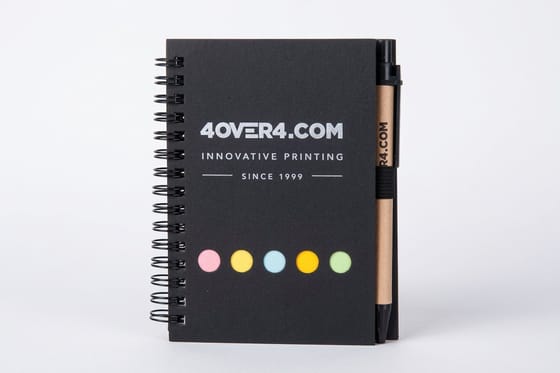
Integrate templates into every stage of the customer journey. An e-commerce store can use an automated abandoned cart template to recover lost sales. A service-based business can set up a welcome series to onboard new clients, while a local cafe can use a monthly newsletter template to announce specials and events. Remember that even digital communications can be complemented by physical items; including a small branded notepad from a site like 4over4.com in a customer's first order can create a delightful offline experience that reinforces your digital marketing efforts.
5. Website Landing Pages
While your primary website serves as a comprehensive digital storefront, a dedicated landing page is a precision tool in your marketing arsenal. These standalone web pages are created specifically for a marketing or advertising campaign with a single, focused objective, known as a call to action (CTA). By eliminating the standard website navigation and other potential distractions, landing pages guide visitors toward one specific goal, dramatically increasing the likelihood of conversion.
The power of a landing page lies in its focus. Whether you’re running a social media ad, an email campaign, or a pay-per-click promotion, sending traffic to a page designed to match the ad's message and offer creates a seamless user experience. For small businesses, this is a highly efficient way to generate leads, promote a specific product, or gather sign-ups for an event without needing to overhaul your main website.
Design and Content Best Practices
A high-converting landing page combines persuasive copy, clean design, and a clear path to action. It should directly reflect the promise made in the advertisement that led the visitor there.
- Match the Message: The headline on your landing page must directly correspond to the ad copy the visitor clicked. This reassures them they are in the right place and reduces bounce rates.
- Focus on a Single Goal: Every element, from the headline to the images and body copy, should support a single call to action. Remove links to other parts of your site, social media buttons, or any other potential distraction.
- Use Compelling, Benefit-Oriented Copy: Instead of just listing features, explain how your product or service solves the visitor’s problem or improves their life. Use clear, powerful headings and concise bullet points.
- Keep Forms Simple: Only ask for the information you absolutely need. A long, complicated form is a major barrier to conversion. Name and email are often enough for an initial lead capture.
Strategic Implementation
Landing pages are versatile assets that can be deployed for nearly any marketing initiative. A local service business might create a landing page for a "Free Consultation" offer promoted through Google Ads. A Shopify store could launch a new product with a dedicated page featuring a countdown timer and an exclusive launch discount. Beyond compelling design, the effectiveness of your landing pages hinges on their discoverability. Learning about essential content SEO best practices can significantly boost their performance in search engines. Platforms like Leadpages and Unbounce provide user-friendly templates and A/B testing tools, making it easy for small businesses to create and optimize these powerful small business marketing materials without needing a developer.
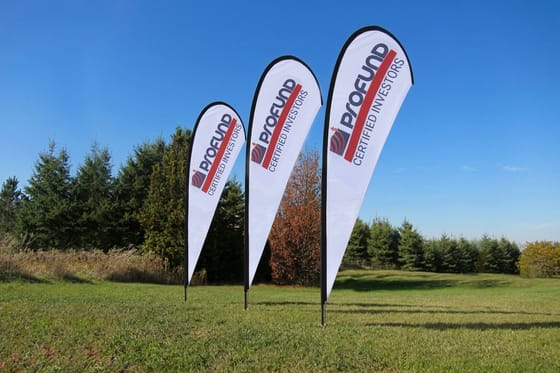
6. Promotional Banners and Signage
When your small business needs to make a big, bold statement, promotional banners and signage are the go-to marketing materials. These large-format displays are designed to capture attention from a distance, making them invaluable for driving foot traffic, announcing special events, or simply boosting brand visibility in high-traffic areas. From grand opening banners hanging across a storefront to portable A-frame signs on a sidewalk, this type of signage acts as a powerful, silent salesperson for your business.
The primary advantage of banners and signage is their sheer visibility. Unlike smaller materials, they are impossible to ignore, effectively communicating a key message to a broad audience instantly. For a local retail store, a vibrant window cling announcing a seasonal sale can directly translate into increased sales, while a well-placed banner at a community event can introduce a new service to hundreds of potential customers.
Design and Content Best Practices
Effective signage design prioritizes readability and immediate impact. The goal is to convey your message clearly to people who may only have a few seconds to see it, often while in motion.
- High-Contrast and Bold Colors: Use a color palette that stands out from the surrounding environment. High-contrast combinations like black on yellow or white on red are classic choices for a reason, they grab the eye and are easy to read.
- Keep Messaging Short and Sweet: Your message should be digestible in three to five seconds. Focus on a single, compelling call to action or piece of information, such as "Grand Opening," "50% Off Sale," or "Free Coffee Today."
- Legible from a Distance: Choose large, clean, and bold fonts. Test the design by viewing it from the intended distance to ensure every word is clear. The further away the viewer, the larger the text needs to be.
- Durable and Weather-Resistant Materials: For outdoor use, invest in materials like vinyl or mesh that can withstand rain, wind, and sun without fading or tearing. This ensures your investment continues to look professional for longer.
Strategic Implementation
The placement of your banner or sign is just as important as its design. Think strategically about where your target audience will be. A real estate agent will use directional A-frame signs to guide buyers to an open house, while a food truck will use a large, colorful menu banner to attract hungry passersby at a festival. Portable banner stands are perfect for trade shows, allowing for a professional backdrop that is easy to transport and set up. For more information about options for events, you can explore banner stands on 4over4.com. By matching the sign to the location and objective, you maximize its effectiveness as a core component of your small business marketing materials.
7. Product Catalogs and Lookbooks
For businesses with multiple products or services, a well-crafted catalog or lookbook is an invaluable asset. Far more than a simple price list, these comprehensive publications are powerful sales tools and brand storytelling vehicles that showcase the breadth and depth of your offerings in a visually compelling, organized format. They invite customers to immerse themselves in your brand world, guiding them from casual browsing to confident purchasing.
The strength of a product catalog lies in its ability to consolidate information and inspiration in one place. Instead of clicking through dozens of web pages, a potential customer can absorb your entire product line at their own pace. This makes them essential for trade shows, sales meetings, and direct mail campaigns, providing a tangible reference that keeps your brand top of mind. For small businesses, they are one of the most effective marketing materials for presenting a professional and established image.
Design and Content Best Practices
A successful catalog merges high-quality visuals with clear, useful information, creating a seamless and enjoyable user experience whether in print or digital form. The layout should be intuitive and aligned with your brand's aesthetic.
- Invest in Professional Photography: High-quality, consistent product photography is non-negotiable. Use a mix of clean product-on-white shots and lifestyle images that show your products in use.
- Organize Logically: Group products by category, collection, or use case to make navigation easy. A clear table of contents is essential for larger catalogs.
- Include Key Details: Provide all necessary information, such as product names, SKUs, dimensions, material details, and pricing. For apparel, include a comprehensive size guide.
- Integrate Digital Touchpoints: Add QR codes next to products that link directly to the online product page for easy ordering. This hybrid approach bridges the gap between your physical and digital storefronts.
Strategic Implementation
Think of your catalog as a cornerstone of your sales strategy. A B2B manufacturer can leave a detailed technical catalog with a prospective client after a meeting, reinforcing the value of their solutions. A fashion boutique can create a seasonal lookbook with styled outfits to inspire customers and drive sales for new collections. Similarly, a home decor company can use a lookbook as a style guide, demonstrating how different pieces work together. For professionally printed booklets and catalogs that make a lasting impression, you can explore options at providers like 4over4.com.
8. Direct Mail Postcards
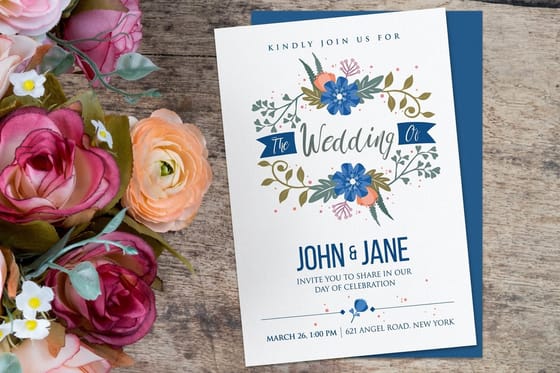
In an era of overflowing inboxes, a well-crafted postcard arriving in a physical mailbox can cut through the digital noise and make a significant impact. Direct mail postcards are targeted physical mail pieces sent to potential customers, designed to generate an immediate response with compelling offers and clear calls-to-action. Far from being outdated, this method remains one of the most effective small business marketing materials, especially for local businesses aiming to reach specific geographic areas or demographics.
The power of a postcard is its immediacy and tangibility. There is no email to open; the message is instantly visible, making it a high-impact, low-effort medium for the recipient. For small businesses, this direct line into a customer’s home builds brand awareness and drives action in a way that feels personal and direct, whether announcing a restaurant's grand opening or reminding clients about seasonal HVAC maintenance.
Design and Content Best Practices
A successful postcard must grab attention instantly and communicate its value within seconds. The design should be bold, uncluttered, and focused on a single, clear objective.
- Compelling Headline and Offer: Lead with a powerful headline and an irresistible, time-sensitive offer. "50% Off Your First Visit" or "Free Estimate This Week Only" creates urgency and encourages immediate action.
- Eye-Catching Visuals: Use high-resolution, professional images or graphics that clearly relate to your product or service. A vibrant, uncluttered visual is more likely to catch the eye than a text-heavy design.
- Clear Call-to-Action (CTA): Tell the recipient exactly what you want them to do next. Use action-oriented language like "Call Today," "Visit Our Website," or "Bring This Card In."
- Targeted Messaging: Customize your message to the specific audience you're mailing to. A postcard for a new family in the neighborhood should have a different tone and offer than one sent to a long-time customer.
Strategic Implementation
Effective direct mail is all about precision targeting and measurement. Instead of a broad "spray and pray" approach, focus on reaching the most relevant households. Programs like the USPS Every Door Direct Mail (EDDM) allow you to target specific mail routes without needing a mailing list, which is perfect for local service businesses. For more advanced campaigns, you can purchase targeted lists based on demographics like income, age, or homeownership. Always include a unique coupon code, QR code, or dedicated landing page URL on the postcard to accurately track your campaign's return on investment. For those looking to manage a full campaign from printing to mailing, you can learn more about direct mail services on 4over4.com.
9. Trade Show and Event Materials
For many small businesses, trade shows, conferences, and local events are invaluable opportunities for face-to-face marketing. To capitalize on these moments, you need specialized marketing materials designed to capture attention, communicate value, and facilitate lead generation in a crowded environment. These materials go beyond simple brochures; they create an immersive brand experience that draws attendees in and makes a lasting impression long after the event concludes.
Effective trade show materials work together to create a cohesive, professional, and inviting space. From towering banners that act as beacons to interactive displays that engage visitors, each element plays a role. These tangible assets are crucial for standing out, conveying credibility, and ensuring your investment in attending the event yields measurable returns.
Design and Content Best Practices
Your event display is your physical storefront for a day. It needs to be visually striking, informative, and functional, telling your brand story at a glance.
- Create a Visual Hierarchy: Use a large, high-impact backdrop or pop-up banner stand as the centerpiece. It should feature your logo, a compelling headline, and bold graphics that can be seen from a distance.
- Keep Messaging Concise: Attendees are scanning dozens of booths. Use bullet points and short, punchy statements on banners and flyers. Focus on benefits, not just features. For example, instead of "Our software has AI integration," try "Save 10 Hours a Week with AI Automation."
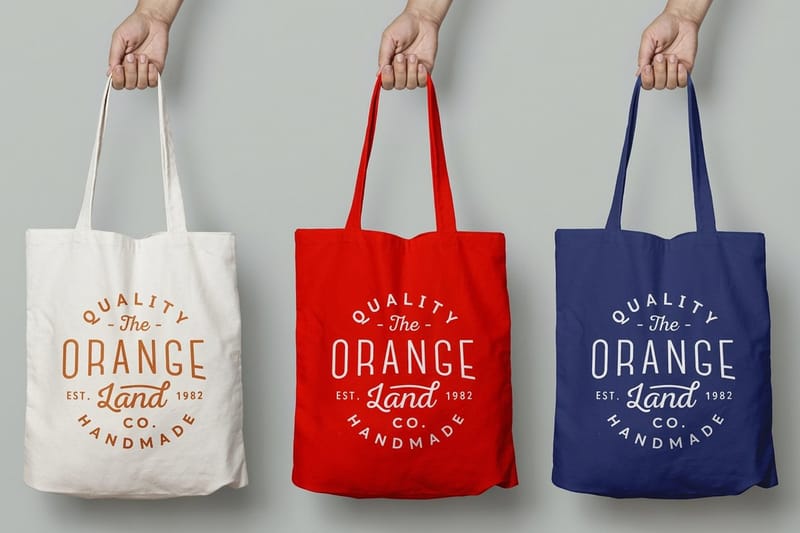
- Branded Giveaways: Select promotional items (swag) that are genuinely useful to your target audience, such as high-quality pens, portable chargers, or reusable tote bags. Ensure your logo and website are clearly printed on them.
- Systematic Lead Capture: Ditch the fishbowl for business cards. Use a tablet with a simple form to capture names, emails, and qualifying information digitally. This makes post-event follow-up faster and more organized.
Strategic Implementation
Success at an event depends on more than just a good-looking booth; it requires a strategic plan for engagement and follow-up. Train your staff to proactively engage attendees with open-ended questions, rather than waiting for people to approach. Use an interactive element, like a product demo, a prize wheel, or a quick quiz, to draw people in. Most importantly, have a follow-up plan ready. Send a personalized email to every lead within 48 hours, referencing your conversation to reignite their interest. For a full range of customizable options, from banners to table throws, you can explore various trade show products to find the perfect fit for your next event.
Small Business Marketing Materials Comparison
| Item | Implementation Complexity 🔄 | Resource Requirements ⚡ | Expected Outcomes 📊 | Ideal Use Cases 💡 | Key Advantages ⭐ |
|---|---|---|---|---|---|
| Business Cards | Low — simple design and print | Low — inexpensive bulk printing | Basic brand recognition and contact sharing | Networking, first impressions, events | Portable, cost-effective, universal tool |
| Brochures and Flyers | Medium — requires design and layout | Medium — higher print quality and volume | Detailed product/service information | Product promotion, events, mass distribution | Comprehensive info, professional appearance |
| Social Media Graphics | Medium — requires design skills and platform optimization | Low — primarily design tools, digital distribution | High engagement, brand awareness | Online marketing, social platforms | Low cost, real-time tracking, viral potential |
| Email Marketing Templates | Medium — needs email platform integration | Medium — design plus platform subscription | Measurable customer communication and conversions | Direct marketing, lead nurturing | Personalization, automation, high ROI |
| Website Landing Pages | High — involves web design, copy, coding/testing | Medium to High — design, development, hosting | High conversion rates and lead generation | Online campaigns, product launches | A/B testing, detailed analytics, focus |
| Promotional Banners and Signage | Medium — design and durable material selection | Medium to High — quality materials, printing | Local brand visibility and event promotion | Physical locations, events, high foot traffic | High impact, reusable, long-lasting |
| Product Catalogs and Lookbooks | High — extensive content creation and design | High — professional photography and printing or digital tools | Comprehensive product showcasing | Sales presentations, detailed product info | Builds value, professional presentation |
| Direct Mail Postcards | Medium — design and mailing setup | Medium — printing and postage costs | Targeted local marketing with measurable response | Local promotions, direct customer outreach | Tangible, high visibility, trackable results |
| Trade Show and Event Materials | High — multi-component design and logistics | High — materials, booth space, travel | Direct engagement, networking, lead capture | Trade shows, conferences, networking events | Face-to-face impact, high-quality leads |
Building Your Brand, One Piece at a Time
Navigating the landscape of small business marketing can feel like assembling a complex puzzle. Each piece, from the tangible texture of a business card to the fleeting impression of a social media graphic, holds a specific place and purpose. As we've explored, a powerful marketing strategy isn't built on a single, magical asset. Instead, it’s a carefully constructed ecosystem where print and digital materials work in concert to create a cohesive, compelling, and consistent brand experience.
The nine essential marketing materials detailed in this guide, including business cards, brochures, social media templates, email newsletters, and landing pages, are not just individual tools. They are the foundational building blocks of your brand's narrative. Your direct mail postcard should echo the offer on your website’s landing page. The QR code on your trade show banner should lead to a targeted email signup. This synergy is where the real magic happens, transforming disparate marketing efforts into a unified and powerful engine for growth.
Synthesizing Your Strategy: Key Takeaways
To truly leverage the insights from this article, it's crucial to move from understanding to action. The most successful small businesses don't just create marketing materials; they deploy them with strategic intent.
Here are the core principles to guide your next steps:
- Consistency is Non-Negotiable: Your brand's visual identity, including your logo, color palette, and typography, must be applied uniformly across all platforms. A customer should instantly recognize your brand whether they are holding your flyer or scrolling past your Instagram post.
- Purpose-Driven Design: Every piece of marketing collateral must have a clear objective. Is this brochure meant to educate? Is this social media post designed to drive engagement? Is this landing page built to capture leads? Define the goal first, then design the material to achieve it.
- Integrate Print and Digital: Don't view print and digital as separate battlefields. Use them to support one another. A QR code on a product catalog can link to a how-to video, while an email campaign can promote an in-person event where you'll hand out promotional materials. This creates a seamless customer journey that bridges the online and offline worlds.
- Quality Signals Value: The quality of your small business marketing materials is a direct reflection of the quality of your brand. A flimsy business card or a poorly designed website can subconsciously tell a potential customer that your products or services might also be subpar. Investing in professional design and high-quality production is an investment in your brand's perceived value.
Your Actionable Blueprint for Success
Feeling overwhelmed by the options is natural. The key is to start small and build momentum. You don't need to overhaul your entire marketing suite overnight. Instead, adopt a phased approach.
- Conduct a Marketing Audit: Review your current assets. What's working? What's outdated? Where are the gaps in your customer's journey?
- Prioritize Your Next Move: Based on your audit and business goals, select one or two new materials to develop. If you have a major trade show coming up, focus on your banners and brochures. If you're launching a new product, prioritize your landing page and email marketing templates.
- Measure and Adapt: Track the performance of every new piece you introduce. Use unique URLs, coupon codes, or QR codes to measure ROI from print materials. Analyze open rates, click-through rates, and conversion rates for your digital assets. Use this data to refine your approach for the next initiative.
By systematically building your arsenal of small business marketing materials, you are not just creating promotional items. You are constructing the very framework through which customers will discover, engage with, and remember your brand. Each well-designed piece is another touchpoint, another opportunity to build trust, and another step toward establishing a lasting presence in your market. You now have the blueprint; it's time to start building.
Ready to transform your ideas into professionally crafted marketing materials? From premium business cards and vibrant brochures to large-format banners that command attention, 4OVER4 provides the high-quality printing solutions that help your small business stand out. Explore our extensive product range and see how we can bring your brand vision to life at 4OVER4.
More from small business marketing materials
65
Full bleed printing is a simple but game-changing technique. It's how you get your artwork—whether it’s a photo, a background color, o
Emma Davis
Feb 3, 2026
54
Even though we live in a digital world, the humble business card is still a powerhouse networking tool. But here's something most people d
Emma Davis
Feb 2, 2026
195
Staring at a wall of banner dimensions can feel a little overwhelming. But while there's no single "typical banner size" that wo
Emma Davis
Feb 1, 2026
90
Stretching your marketing budget doesn't mean you have to settle for flimsy, forgettable brochures. The real secret to low cost br
Emma Davis
Jan 31, 2026
137
Advertising magnets are one of those marketing tools that are so simple, you might overlook their power. They’re tangible, they last for age
Emma Davis
Jan 30, 2026
71
Tired of fighting with torn paper and sticky residue? We’ve all been there. The best way to get labels off bottles is often a simple soak in
Emma Davis
Jan 29, 2026
170
Want to know the real secret to getting a poster to stick to a wall without it peeling off in the middle of the night? It's all about what
Emma Davis
Jan 28, 2026
164
When you hear "table tent specs," what we're really talking about are the foundational details for printing them correctly: the
Emma Davis
Jan 27, 2026


