








- Home
- content hub
- Marketing Event Checklist: 8 Essential Steps for 2025
Marketing Event Checklist: 8 Essential Steps for 2025
Emma Davis
Content Writer
Jul 26, 2025620 views

Planning a marketing event often feels like orchestrating a symphony with a thousand moving parts. From securing the perfect venue to ensuring post-event follow-up that converts, every detail matters. A single misstep can compromise your budget, tarnish your brand's reputation, and undermine your return on investment. The key to navigating this complexity isn't just hard work; it's a strategic, repeatable process.
This article provides the ultimate marketing event checklist, breaking down the entire event lifecycle into eight manageable, critical stages. We'll move beyond generic advice to offer actionable insights, specific implementation details, and practical examples to guide your planning. To truly transform chaos into control, consider leveraging an ultimate corporate event checklist to supplement the targeted marketing strategies we outline here. This comprehensive guide is designed to serve as your blueprint for flawless execution.
You will learn how to:
- Define clear objectives and the metrics to measure them.
- Develop a comprehensive budget and allocate resources effectively.
- Execute an integrated marketing campaign that drives registration.
- Leverage technology for a seamless and engaging attendee experience.
- Measure post-event ROI to prove value and inform future strategy.
Prepare to transform your approach from reactive to proactive. This checklist will help you execute events that not only run smoothly but also deliver exceptional, measurable results for your business, turning potential chaos into controlled success.
1. Define Clear Event Objectives and Success Metrics
Before booking a venue or designing an invitation, the most critical first step in any marketing event checklist is defining what success looks like. Establishing clear, measurable objectives and their corresponding key performance indicators (KPIs) provides the strategic foundation for every decision that follows. Without this clarity, your event risks becoming a costly, unfocused affair with no way to prove its return on investment (ROI).
This foundational step involves pinpointing the primary purpose of your event. Is it to fill the sales pipeline, elevate your brand's public profile, launch a new product, or strengthen relationships with existing customers? Each goal demands a different strategy, budget allocation, and set of tactics.
Aligning Goals with Measurable KPIs
Once you have your primary objectives, you must attach specific metrics to them. This transforms vague ambitions into actionable targets.
- Quantitative Metrics: These are the hard numbers. Think lead generation (number of qualified leads), registrations (total sign-ups), or sales pipeline influence (dollar value of opportunities created).
- Qualitative Metrics: These measure sentiment and perception. This includes brand sentiment analysis from social media mentions, post-event survey feedback on attendee satisfaction, or the quality of media coverage.
A best practice, championed by event marketing leaders like Julius Solaris and platforms like Marketo, is to limit your focus to 3-5 primary objectives. This ensures your team remains aligned and avoids spreading resources too thin.
For instance, Salesforce’s Dreamforce notoriously sets massive targets, such as attracting 40,000 in-person attendees and generating over $100 million in sales pipeline. Similarly, HubSpot’s INBOUND event measures success by tracking tens of thousands of leads generated and session attendance figures.
This bar chart visualizes the most common primary objectives for modern marketing events, showcasing where businesses typically focus their efforts.

The data clearly indicates that lead generation remains the top priority for nearly half of all marketing events, underscoring the importance of events in driving direct business growth.
Key Insight: Your event objectives are not just a planning tool; they are the ultimate benchmark for your event's success. They justify the budget, guide your content strategy, and provide the data you need to prove value to stakeholders. Define them first, and let them steer your entire marketing event checklist.
2. Develop Comprehensive Budget Planning and Resource Allocation
With clear objectives in place, the next crucial item on your marketing event checklist is creating a detailed financial framework. A comprehensive budget is the operational blueprint that translates your strategic goals into a viable plan, ensuring every dollar is allocated effectively to maximize return on investment (ROI). It moves beyond a simple list of expenses to become a dynamic tool for decision-making, risk management, and performance tracking.

This step involves meticulously itemizing every potential cost, from major expenditures like the venue and audiovisual production to smaller details like name badges and credit card processing fees. A well-constructed budget prevents scope creep and protects you from unforeseen costs that can derail an otherwise successful event.
Aligning Budget Categories with Event Type
The allocation of your budget will vary significantly based on the event's format. Understanding these common distributions helps you create a realistic starting point.
- Corporate Conferences: These events often see a large portion of the budget go toward the physical space and attendee experience. A typical breakdown is 30-40% for the venue and food & beverage (F&B), 15% for marketing, and 15% for technology and A/V.
- Trade Show Exhibitions: For trade shows, the priority is presence and lead capture. Booth construction and design can command up to 40% of the budget, with significant funds also allocated to sponsorships and on-site staff.
- Virtual Events: With no physical venue, the budget shifts dramatically toward digital infrastructure. Expect to allocate as much as 50% to the virtual event platform, production quality, and digital marketing efforts to drive attendance.
To ensure financial control, event management software like Cvent or Bizzabo offers robust budgeting tools that allow for real-time expense tracking against your plan. A smart tactic is to get at least three quotes for any high-cost vendor to ensure competitive pricing. Remember to proactively track expenses weekly during the planning phase to catch overages before they become critical issues. Finally, always account for hidden costs like taxes, service fees, insurance, and potential staff overtime.
Key Insight: Your budget is more than a spreadsheet; it's a strategic resource allocation plan. Building a 15-20% contingency fund is not a sign of poor planning but a mark of experienced foresight. This buffer protects your event from unexpected challenges, allowing you to adapt without compromising your core objectives.
3. Strategic Venue Selection and Logistics Coordination
After defining your objectives, the next critical task in your marketing event checklist is securing a venue that not only accommodates your audience but also enhances your brand and message. Your choice of location is far more than just four walls and a roof; it's a core component of the attendee experience. The right venue aligns with your event's goals, brand identity, and budget, while poor selection can lead to logistical nightmares and a tarnished brand perception.
This crucial step involves a deep analysis of potential locations based on capacity, accessibility for your target audience, technological infrastructure, and overall atmosphere. The venue sets the stage for everything from networking opportunities to content delivery, directly impacting attendee satisfaction and engagement.

Aligning Venue with Event Strategy
The venue must be a strategic asset, not just a physical space. Consider how iconic events leverage their locations: Google I/O uses the Shoreline Amphitheatre to create a relaxed, campus-like, outdoor tech festival atmosphere. In contrast, TED Talks selects the architecturally stunning Vancouver Convention Centre for its waterfront views and prestigious feel, reinforcing the high-value nature of its content.
- Practical Logistics: Beyond aesthetics, focus on the practical details. Confirm the venue’s load-in and load-out procedures, union labor requirements, and available storage space. Ensure adequate parking or easy access to public transportation.
- Technical Capabilities: Verify that the venue's Wi-Fi can handle hundreds or thousands of simultaneous connections. Check their in-house A/V equipment, power supply, and lighting capabilities to see if they meet your production needs.
- Contingency Planning: For outdoor or hybrid events, a solid backup plan is non-negotiable. Secure an indoor alternative for inclement weather and confirm the venue’s emergency procedures. When coordinating these logistics, don't overlook essential facilities. For guidance on choosing the right event toilets, you can find detailed resources to ensure attendee comfort.
A site visit is indispensable. Attempt to visit the venue during an event similar in scale to your own to observe crowd flow, sound bleed between rooms, and overall operational efficiency. This is also the time to assess branding opportunities, like where you can place impactful signage. Creating high-quality, custom event banners can transform a generic space into a branded environment.
Key Insight: The venue is an extension of your brand and a critical driver of the attendee experience. Selecting a location that is merely "big enough" is a missed opportunity. Choose a venue that amplifies your message, simplifies logistics, and creates a memorable atmosphere that aligns with your event objectives.
4. Integrated Marketing Campaign and Promotional Strategy
Once your objectives are set and your budget is approved, the next crucial item on your marketing event checklist is crafting a promotional strategy to fill the room. A great event is useless if no one knows about it. Developing an integrated, multi-channel marketing campaign is how you build anticipation, drive registrations, and create a powerful buzz that extends far beyond the event day itself.
This approach involves weaving together various marketing channels into a single, cohesive narrative. Rather than operating in silos, your email, social media, content, and paid advertising efforts should all reinforce the same core message and drive audiences toward the same goal: registration. This holistic strategy ensures maximum reach and impact for your promotional spend.
Building a Multi-Channel Promotional Engine
A successful campaign requires a strategic mix of tactics deployed over a carefully planned timeline. The goal is to engage potential attendees at multiple touchpoints, guiding them from initial awareness to final conversion.
- Content & Email Marketing: Develop valuable content like blog posts, speaker interviews, and behind-the-scenes previews. Use a dedicated email nurture sequence to share this content, announce speakers, and promote ticket sales. This is your primary channel for communicating directly with interested prospects.
- Social Media & Influencer Outreach: Create a unique event hashtag and build a social media calendar with engaging content. Partner with industry influencers and empower your speakers with pre-made promotional kits to amplify your message to their networks.
- Paid Advertising & PR: Use targeted ads on platforms like LinkedIn and Meta to reach specific professional demographics. Simultaneously, leverage public relations to secure media coverage, issue press releases for major announcements, and position your event as a must-attend industry gathering.
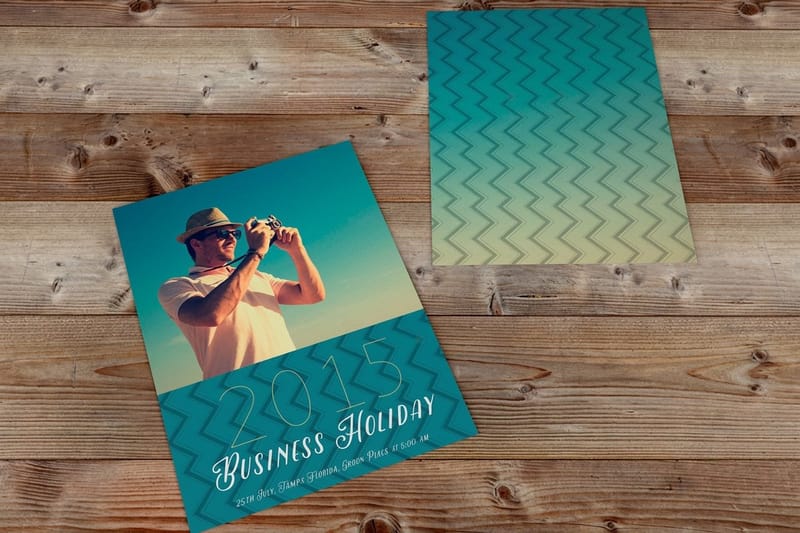
World-renowned events master this integrated approach. Web Summit’s year-round content strategy helps them attract over 70,000 attendees, while South by Southwest’s iconic #SXSW hashtag consistently generates millions of social impressions, creating a global conversation. Similarly, Cannes Lions leverages celebrity speakers and high-profile attendees to secure widespread, international media coverage that reinforces its prestigious status. Even tangible elements, like beautifully designed physical invitations, can be a powerful part of this mix, adding a premium touch to your campaign. You can explore high-quality invitation printing options on 4over4.com to complement your digital efforts.
Key Insight: Your promotional campaign shouldn't be an afterthought; it is the engine that drives event attendance. Start your promotion 8-12 weeks out, using early-bird pricing to create urgency and build momentum. A unified, multi-channel strategy is the most effective way to cut through the noise and ensure your event achieves its registration targets.
5. Technology Infrastructure and Digital Experience Planning
In today’s digitally-driven world, the technical foundation of your event is as critical as the physical venue. Planning your technology infrastructure and digital experience ensures seamless execution for everyone involved, from registration to post-event engagement. This step on the marketing event checklist involves implementing the systems for registration, mobile apps, live streaming, audience interaction, and robust data collection.
This technical backbone dictates the quality of the attendee experience, whether they are in-person or joining remotely. A glitchy registration process, poor WiFi, or a failed livestream can quickly undermine your event’s credibility and overshadow even the best content. As digital experiences become central to modern events, detailed virtual event planning is an indispensable part of your technology strategy.
Integrating Key Technology Components
A successful technology stack is not just a collection of tools; it is an integrated ecosystem designed to support your event objectives. Each component should work in harmony to create a frictionless experience.
- Registration and Ticketing: This is often the first touchpoint. Platforms like Eventbrite, which powers millions of events, must provide a simple, secure, and mobile-friendly sign-up process. The system should also integrate with your CRM to capture lead data effectively.
- Mobile Event App: A dedicated app serves as the central hub for attendees. It can host agendas, speaker bios, venue maps, networking features, and push notifications. Cisco Live, for example, uses a custom app with advanced networking and scheduling features to enhance attendee engagement.
- Live Streaming and Hybrid Capabilities: For events with a virtual component, the streaming platform is paramount. Microsoft's Build conference leverages the power of Azure to stream flawlessly to a global audience of over 200,000 viewers, demonstrating the scalability required for major events.
- Audience Engagement Tools: Incorporate tools like live polls, Q&A platforms (e.g., Slido), and gamification to keep your audience actively involved. Integrating social media feeds into event displays can also amplify real-time conversations and brand visibility.
A comprehensive tech plan also accounts for on-site needs like reliable high-speed WiFi, sufficient power stations, and scannable badges that can be paired with high-quality promotional products for a memorable check-in experience.
Key Insight: Technology is no longer just a support function; it is a core pillar of the event experience itself. A proactive and well-tested technology plan prevents on-site disasters, enhances engagement, and provides invaluable data that proves the event's impact on your marketing goals.
6. Speaker and Content Curation Strategy
The content and speakers are the heart of your event experience, directly influencing attendee satisfaction and the perceived value of your marketing event. A robust speaker and content curation strategy involves more than just filling time slots; it’s about thoughtfully identifying, recruiting, and managing experts who align with your event objectives and audience interests. This curated approach ensures your programming is compelling, educational, and ultimately, drives the action you want attendees to take.
This strategic step is where you transform your event’s theme into tangible, valuable takeaways for your audience. The quality of your speakers acts as a powerful draw during promotion and is a primary factor in post-event feedback. A well-executed content plan guarantees a diverse, engaging program that delivers on the promises made in your marketing campaigns.
Crafting a High-Impact Agenda
To build an agenda that resonates, you must connect speaker selection directly to your event's core purpose and audience needs. This prevents a disjointed program and ensures every session contributes to the overall event goals.
- Recruitment Timeline: Begin sourcing and recruiting speakers at least 4-6 months in advance. High-profile speakers have packed schedules, and this lead time is crucial for securing top talent.
- Clear Guidelines: Provide all speakers with clear presentation guidelines, deadlines, and branded templates. This ensures consistency in quality and appearance across all sessions. To keep these materials organized and professional, consider using high-quality full-color presentation folders for each speaker's welcome packet.
- Rehearsals and Support: Don't leave mainstage presentations to chance. Conduct mandatory technical checks and rehearsals for all keynote and high-stakes sessions to iron out any issues. Additionally, creating a dedicated speaker "green room" or hospitality area provides a space for them to relax, prepare, and feel valued.
World-class events exemplify this. TED Talks famously curates speakers who can deliver powerful "ideas worth spreading" in a specific, rehearsed format. Likewise, Salesforce’s Dreamforce successfully manages over 2,700 sessions by featuring a mix of visionary leaders, industry experts, and hands-on technical trainers, catering to its diverse audience segments.
Key Insight: Your speakers are your most influential content creators. Investing time in curating the right voices and supporting them properly doesn't just create a better event; it builds a platform of authority and trust that reflects directly onto your brand. This element of your marketing event checklist is non-negotiable for delivering true value.
7. Registration Management and Attendee Experience Design
Once your event's goals and content are defined, your focus must shift to the attendee journey. A seamless registration process and a thoughtfully designed experience are crucial elements in a marketing event checklist; they transform a logistical necessity into a positive first impression that sets the tone for the entire event. This stage involves much more than just selling tickets; it's about crafting a smooth, intuitive, and engaging path for attendees from their first point of contact to their post-event interactions.
Effective registration management ensures data is captured accurately for your marketing and sales teams, while a well-designed experience guarantees attendees feel valued and can easily navigate the event. Neglecting this can lead to frustration, long queues, and a poor perception of your brand before the first speaker even takes the stage.
Crafting a Seamless Attendee Journey
The goal is to eliminate friction at every touchpoint. Your registration platform, communication strategy, and on-site execution must work in harmony to create a cohesive and positive experience.
- Streamlined Registration: Utilize platforms that offer user-friendly interfaces, mobile optimization, and secure payment processing. The fewer steps required to register, the higher your conversion rate will be.
- Personalized Communication: Go beyond generic confirmation emails. Send targeted pre-event information, such as personalized schedules, speaker highlights relevant to an attendee's role, and networking suggestions to build anticipation.
- On-Site Efficiency: Implement modern solutions like mobile check-in with QR codes or RFID badges to drastically reduce wait times. This technology also facilitates seamless lead capture and session tracking for sponsors and your team.
For instance, the massive Consumer Electronics Show (CES) uses RFID-enabled badges that allow for effortless networking and lead retrieval, letting exhibitors scan attendees' badges to instantly collect contact information. Similarly, SXSW manages its sprawling festival by providing a robust mobile app that empowers its 400,000+ participants to build personalized schedules, navigate venues, and connect with peers, turning a potentially chaotic experience into a manageable one.
This comprehensive approach to the attendee journey is a hallmark of a well-executed event, directly impacting satisfaction and the likelihood of achieving your core objectives. For physical touchpoints, consider how custom-printed materials can enhance this journey; you can learn more about high-quality event ticket printing to create a professional and memorable first impression.
Key Insight: The attendee experience begins the moment someone decides to register, not when they walk through the door. Investing in a frictionless registration process and a thoughtful, personalized communication plan is a direct investment in attendee satisfaction, engagement, and the overall success of your marketing event.
8. Post-Event Analysis and ROI Measurement
Once the final attendee has left and the venue is cleared, the work on your marketing event checklist is far from over. The crucial final phase involves a rigorous post-event analysis to measure performance against the objectives you set in step one. This is where you calculate the event's true return on investment (ROI), justify the budget spent, and gather the critical data needed to improve future events.
This process involves collecting and synthesizing all available data points, from attendee feedback to sales figures. It transforms raw numbers into a narrative of success or identifies areas for improvement. Without this systematic evaluation, your event remains an isolated expense rather than a strategic investment that informs your broader marketing strategy.
Connecting Actions to Outcomes
The core of post-event analysis is attributing tangible business results to your event-specific activities. This requires a structured approach to data collection and a clear understanding of what metrics matter most to your stakeholders.
- Quantitative Analysis: This is the measurement of hard data. Key metrics include the number of qualified leads passed to sales (MQLs), the cost per lead, sales pipeline influence (total value of opportunities generated), and ultimately, the revenue directly attributed to the event.
- Qualitative Analysis: This captures attendee sentiment and brand impact. This includes analyzing post-event survey responses for satisfaction scores, monitoring social media for brand mentions and sentiment shifts, and reviewing press coverage for tone and reach.
Leading B2B events are masters of this process. For example, HubSpot’s INBOUND event meticulously tracks its influence on over $100 million in attributed revenue, while Adobe Summit can point to a 40% increase in product trial sign-ups post-event. Salesforce’s Dreamforce consistently reports high attendee satisfaction rates, often exceeding 85%, which they use to validate the event’s value to their community and justify its scale.
To effectively implement this, you must:
- Survey attendees within 48 hours: Send out feedback surveys while the experience is still fresh in their minds to maximize response rates and the quality of insights.
- Track leads through the full funnel: Use your CRM to tag event-generated leads and monitor their entire journey from MQL to closed-won deal. This is the only way to accurately calculate ROI.
- Compare against benchmarks: Evaluate your performance not only against your initial goals but also against industry benchmarks for similar events.
- Create detailed stakeholder reports: Compile your findings into a comprehensive post-event report that clearly visualizes KPIs, summarizes key takeaways, and provides actionable recommendations for the next event cycle.
Key Insight: The post-event analysis is not just a report card; it's a strategic blueprint for the future. It proves the value of your event marketing efforts to leadership and provides the data-driven insights necessary to make your next event even more successful.
8-Point Marketing Event Checklist Comparison
| Item | Implementation Complexity 🔄 | Resource Requirements ⚡ | Expected Outcomes 📊 | Ideal Use Cases 💡 | Key Advantages ⭐ |
|---|---|---|---|---|---|
| Define Clear Event Objectives and Success Metrics | Moderate: Requires upfront research and planning | Moderate: Alignment meetings, data gathering | Clear direction, measurable success, aligned teams | Events needing focused goals (lead gen, brand awareness) | Provides direction, facilitates analysis, aligns team |
| Develop Comprehensive Budget Planning and Resource Allocation | High: Time-intensive setup and monitoring | High: Detailed financial tracking and updates | Cost control, financial accountability, ROI insights | Budget-sensitive events with multiple expenses | Prevents overruns, aids vendor negotiation, accountability |
| Strategic Venue Selection and Logistics Coordination | Moderate: Requires venue visits, assessments | Moderate: Site visits, contract negotiation | Smooth logistics, attendee comfort, brand impact | Events dependent on location, capacity, and accessibility | Enhances attendee experience, cost predictability |
| Integrated Marketing Campaign and Promotional Strategy | High: Multi-channel campaign coordination | High: Content creation, ad spend, PR efforts | Increased attendance, brand buzz, measurable ROI | Events targeting broad audience awareness and engagement | Maximizes reach, builds engagement, drives attendance |
| Technology Infrastructure and Digital Experience Planning | High: Setup of software, hardware, and integrations | High: Technical staff, software licenses | Enhanced engagement, hybrid access, data insights | Hybrid/virtual or tech-heavy events | Improves engagement, enables hybrid participation |
| Speaker and Content Curation Strategy | Moderate: Speaker recruitment and content management | Moderate: Speaker fees, coordination effort | Attracts audience, elevates credibility, creates value | Knowledge-sharing events, conferences, seminars | Boosts attendance, strengthens credibility, creates networking |
| Registration Management and Attendee Experience Design | Moderate to High: Complex systems and personalization | High: Tech setup, staffing, customer service | Elevated satisfaction, data collection, personalized touch | Large-scale or high-expectation events | Increases satisfaction, provides data, supports upselling |
| Post-Event Analysis and ROI Measurement | Moderate to High: Data tracking and analysis tools | Moderate: Survey tools, analytics software | Clear ROI, improvement insights, data-driven decisions | All events needing performance evaluation | Demonstrates ROI, identifies improvements, supports budgets |
Turning Your Checklist into a Competitive Advantage
We have journeyed through the intricate, multi-faceted world of event marketing, deconstructing what often feels like a chaotic process into a manageable, strategic framework. This comprehensive marketing event checklist is more than a simple to-do list; it is a dynamic blueprint designed to empower you and your team. By meticulously navigating the eight core pillars we've discussed, from defining clear objectives to conducting rigorous post-event analysis, you transform event planning from a reactive scramble into a proactive, strategic function of your business.
The true value of this guide lies not in just checking off boxes, but in understanding the interconnectedness of each element. Your budget allocation directly impacts your venue choice and technology stack. Your speaker curation influences your promotional messaging. Your post-event ROI measurement should circle back to inform the objectives of your next gathering. It’s a continuous, cyclical process of planning, executing, learning, and refining.
From Checklist to Strategic Engine
Think of this checklist as the operating system for your event strategy. It’s designed to be customized, not just copied. The specific metrics, technologies, and promotional tactics will vary based on your industry, audience, and goals. The real magic happens when you adapt this framework to your unique circumstances and start building institutional knowledge.
- Document Everything: After each event, don't just analyze the ROI. Go back to your checklist and add notes. What worked perfectly? What was a near-disaster? Which vendor over-delivered? Which software had a hidden limitation?
- Build a Playbook: Over time, your annotated checklists become a powerful internal playbook. New team members can onboard faster, and you can scale your event efforts without reinventing the wheel. This institutional memory is a significant competitive advantage.
- Foster a Culture of Iteration: Encourage your team to see each event as an experiment. Perhaps you test a new registration platform, a different social media ad strategy, or a novel networking format. The checklist provides the stable foundation upon which you can safely innovate.
Key Insight: A world-class event isn't the result of one person's heroic effort. It's the product of a well-oiled system, clear communication, and a commitment to continuous improvement. Your marketing event checklist is the central cog in that system.
The Human Element: Beyond the Tasks
While we've focused on the tactical elements, never lose sight of the ultimate goal: creating a memorable human experience. Every item on this checklist, from securing high-quality printed materials like programs and banners to designing a seamless registration flow, ultimately serves the attendee. A smooth, engaging, and valuable experience is what turns a first-time attendee into a loyal customer and a vocal brand advocate.
Your event is a physical manifestation of your brand. The attention to detail, the quality of the content, the helpfulness of your staff, and the caliber of your printed collateral all send powerful signals about who you are as a company. This is your chance to build trust, foster community, and create relationships that digital marketing alone cannot replicate.
By embracing this detailed marketing event checklist, you are not just organizing an event; you are architecting an experience. You are building a powerful engine for lead generation, brand amplification, and lasting customer relationships. You now possess the framework to move forward with clarity and confidence, transforming one of the most demanding marketing disciplines into one of your most strategic and rewarding assets.
Ready to bring your event vision to life with professional, high-quality printed materials? From stunning vinyl banners and informative brochures to custom name badges and branded swag, 4OVER4 has everything you need to make a lasting impression. Visit 4OVER4 to explore a vast selection of customizable products that will elevate your attendee experience and reinforce your brand at every touchpoint.
More from marketing event checklist
9
Staring at a wall of banner dimensions can feel a little overwhelming. But while there's no single "typical banner size" that wo
Emma Davis
Feb 1, 2026
18
Stretching your marketing budget doesn't mean you have to settle for flimsy, forgettable brochures. The real secret to low cost br
Emma Davis
Jan 31, 2026
34
Advertising magnets are one of those marketing tools that are so simple, you might overlook their power. They’re tangible, they last for age
Emma Davis
Jan 30, 2026
36
Tired of fighting with torn paper and sticky residue? We’ve all been there. The best way to get labels off bottles is often a simple soak in
Emma Davis
Jan 29, 2026
99
Want to know the real secret to getting a poster to stick to a wall without it peeling off in the middle of the night? It's all about what
Emma Davis
Jan 28, 2026
84
When you hear "table tent specs," what we're really talking about are the foundational details for printing them correctly: the
Emma Davis
Jan 27, 2026
284
When you're ready to print a poster, one of the first questions you'll face is, "What size should it be?" The industry has a
Emma Davis
Jan 26, 2026
192
Picture this: you're at a networking event, and someone hands you their business card. You do the usual glance—name, title, company—an
Emma Davis
Jan 25, 2026


