Table of Contents
- Home
- content hub
- Earth Friendly Business Cards A Greener Brand Guide
 Share and earn
Earth Friendly Business Cards A Greener Brand Guide

Aug 24, 2025488 views
Aug 24, 2025488 views
Think about that business card tucked away in your wallet. It seems harmless enough, right? But that little piece of cardstock has a surprisingly large environmental footprint. Earth-friendly business cards are designed from the ground up to change that. They rely on sustainable materials, non-toxic printing methods, and a mindset that favors a circular economy, turning a simple networking tool into a tangible statement of your brand's commitment to the planet.
Why Your Business Needs to Rethink Traditional Cards
The casual exchange of business cards is a ritual we all know, but it carries more environmental weight than most people think. That small rectangle of paper is the final stop on a long, resource-hungry journey. For any modern, responsible brand, rethinking this old-school staple isn't just a trend—it's a critical step forward.

The Hidden Environmental Cost
Let's start at the source: the materials. Every year, a staggering 8 billion business cards are thrown out across the globe, fueling deforestation and piling up in our landfills.
The manufacturing process is just as demanding. Did you know it can take around 17,000 gallons of water to produce a single ton of paper? Many cards are then finished with plastic laminates and printed with petroleum-based inks, which not only make recycling difficult but also release harmful volatile organic compounds (VOCs) into the atmosphere. For more business insights and trends that are shaping modern company practices, it's always good to stay informed.
From Production to Landfill
The card's journey doesn't stop after that initial handshake. A huge number of traditional cards are tossed within just one week.
Once they hit the landfill, they start to decompose and release methane—a greenhouse gas that's 28 times more potent than carbon dioxide. When you add it all up, it's a massive use of resources for something with such a fleeting purpose.
By choosing sustainable alternatives, businesses can actively reduce their contribution to this wasteful cycle. It transforms a simple networking tool into a powerful statement about corporate responsibility and environmental stewardship.
Making the switch to greener options does more than just reduce your footprint. It sends a clear message to clients, partners, and competitors that your company’s values are more than just words on a page. This single, thoughtful choice helps you stand out and encourages a broader industry shift toward more mindful practices.
If you're exploring different types of https://www.4over4.com/printing/category/business-cards-printing, you'll find there are plenty of eco-friendly options available that don't compromise on quality. It's a small change with a big ripple effect.
Choosing Your Sustainable Business Card Material
Picking the right material is your first—and most important—step toward creating truly earth-friendly business cards. It's a lot like choosing the foundation for a house. The material you select sets the tone for everything that follows, dictating the card's character, durability, and overall environmental footprint.
This choice is a very real, tangible signal of your brand's commitment to sustainability. It's about moving beyond the standard, resource-heavy paper stock and exploring a whole world of unique, eco-conscious materials. Each one has its own story, texture, and set of benefits, giving you a chance to find a perfect match for your brand's voice.
The Power of Recycled Paper
The most popular and straightforward sustainable option is 100% post-consumer recycled paper. This isn't just paper that could have been recycled; it's made from actual paper waste that people like you and me have used and tossed into the recycling bin, diverting it from a landfill. It truly closes the loop.
Opting for recycled paper makes a massive dent in the environmental impact. It demands less energy, uses less water, and, critically, saves trees from being cut down. The subtle flecks and textures often found in recycled stocks, like a rustic kraft collection, can also add an authentic, earthy charm to your design that feels genuine.
Just look at the numbers—the savings are huge.
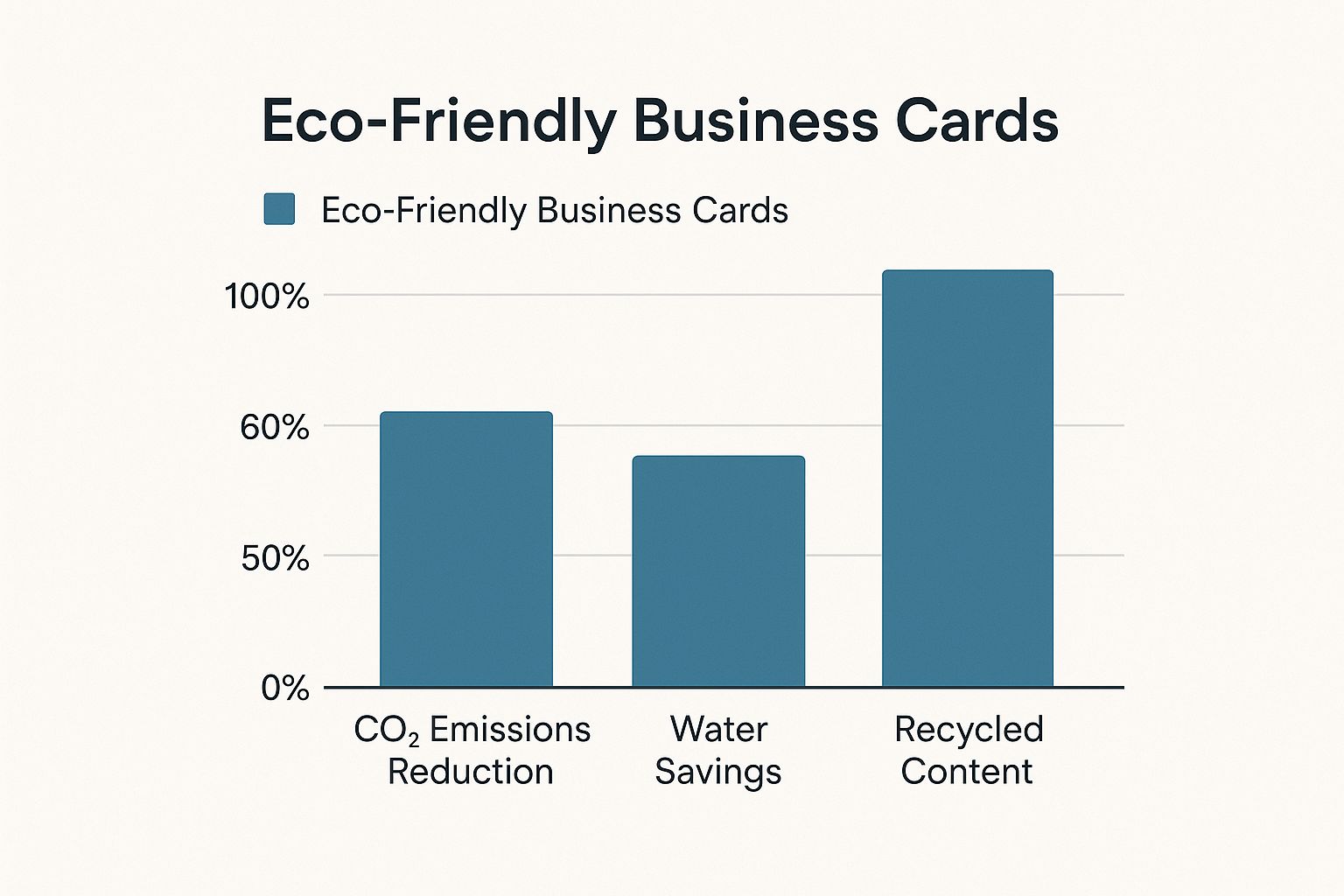
The data clearly shows that choosing recycled paper results in a 60% reduction in CO₂ emissions and a staggering 50% decrease in water usage when compared to making paper from virgin pulp.
Innovative and Alternative Materials
If you want your card to really make a statement, there are some incredible alternative materials that are both sustainable and unforgettable to the touch. Honestly, these options often become conversation starters all on their own.
- Bamboo: It's one of the planet's fastest-growing plants, making it an incredibly renewable resource. Paper made from bamboo is strong with a silky-smooth finish, perfect for a clean, modern aesthetic.
- Hemp: This plant is a powerhouse. It grows lightning-fast and needs far less water and land than trees, all while producing incredibly strong fibers for paper. Hemp cards have a unique texture that feels both natural and high-end.
- Cotton: Typically made from reclaimed textile waste (think scraps from t-shirt manufacturing), cotton paper is completely tree-free. It has a soft, almost luxurious feel and is remarkably durable, making it an excellent choice for premium brands.
A business card made from alternative fibers like hemp or bamboo does more than share contact details—it tells a story of innovation and resourcefulness. It communicates that your brand thinks creatively about its impact on the world.
To help you decide, here’s a quick rundown of how these materials stack up.
Comparing Earth-Friendly Business Card Materials
| Material | Key Environmental Benefit | Texture & Appearance | Best For |
|---|---|---|---|
| Recycled Paper | Diverts waste from landfills and saves trees, water, and energy. | Varies; often has a slightly textured, authentic feel. | Eco-conscious brands looking for a classic, recognizable green choice. |
| Bamboo | Made from a highly renewable, fast-growing grass. | Smooth, clean, and durable with a modern look. | Sleek, minimalist brands wanting a sustainable yet polished feel. |
| Hemp | Requires minimal water and no pesticides to grow. | Distinct, high-quality texture that feels premium and natural. | Brands that want to project an image of durability and natural strength. |
| Cotton | Tree-free, made from reclaimed industrial textile scraps. | Soft, luxurious, and exceptionally durable. | High-end, artisanal brands aiming for a tactile, premium impression. |
| Seed Paper | Biodegradable and grows into plants, leaving no waste. | Thick, pulpy, and visibly embedded with seeds. | Memorable, interactive marketing for brands focused on growth and nature. |
Ultimately, the best material is the one that aligns with your brand's personality while making the smallest possible impact on the planet.
Plantable Seed Paper
For a business card that's truly circular and delightfully interactive, you can't beat plantable seed paper. This amazing material is embedded with tiny wildflower, herb, or even vegetable seeds. Once your contact info is saved, the recipient can plant the whole card in a pot of soil, give it some water, and watch it sprout.
This completely transforms a disposable networking tool into a gift that gives back. It’s a powerful, memorable way to show your commitment to regeneration and leave a positive impression that literally grows.
What Goes Into an Eco-Friendly Printing Process?
Picking a sustainable paper for your business card is a great first step, but that's only half the story. The way your card is actually printed is just as important for its final environmental footprint. It’s like buying organic vegetables—if you douse them in unhealthy oil, you’re not really getting the full benefit, are you? The printing process is that final, crucial ingredient.
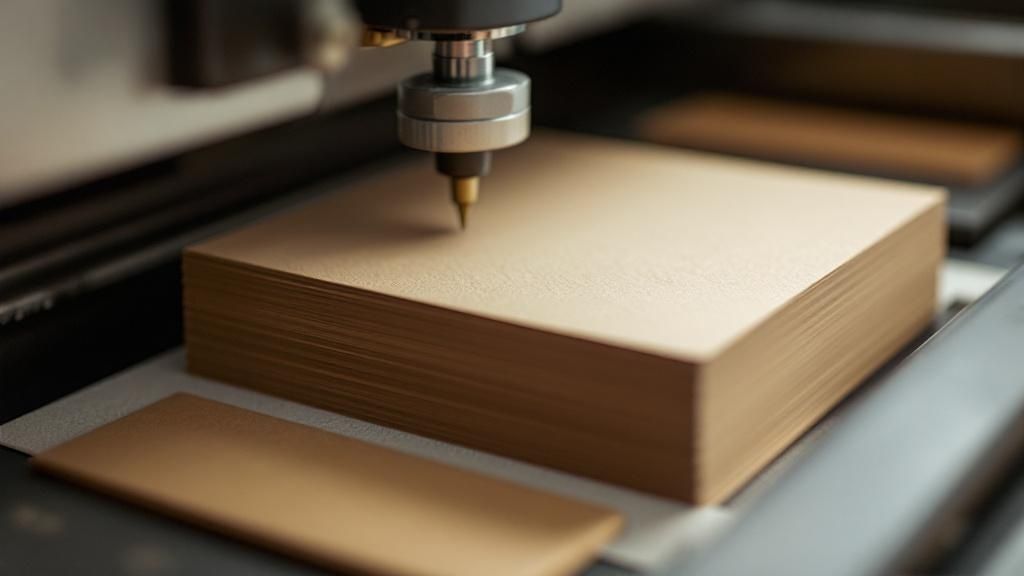
Everything from the ink and machinery to the energy powering the print shop adds up. Knowing a little about these elements helps you ask the right questions and find a printer who genuinely cares about the planet. It’s about making sure your commitment to sustainability runs through the entire process, from the raw paper to the finished card in your hand.
Moving Beyond Petroleum With Plant-Based Inks
The single biggest difference between conventional and eco-friendly printing comes down to the ink. For years, the industry standard has been petroleum-based inks, which are packed with Volatile Organic Compounds (VOCs). When these inks dry, VOCs are released into the atmosphere, contributing to air pollution and creating potential health hazards.
The better alternative? Plant-based inks, typically made from soy or other vegetables. By swapping out petroleum for renewable resources like soybeans or corn, the entire process becomes cleaner. This one change makes a huge difference.
- Fewer VOCs: Plant-based inks release far fewer of these harmful compounds, which means cleaner air in the print shop and for the community.
- Better for Recycling: Paper printed with soy or vegetable ink is much easier to de-ink. This makes the recycling process more efficient, allowing more of the paper fibers to be recovered and turned into new products.
- Brilliant Colors: Don't think for a second that you're sacrificing quality. These natural inks produce colors that are just as sharp and vibrant as their old-school counterparts.
When you opt for a printer using plant-based inks, you're backing a production method that is healthier for people and the planet.
A business card printed with soy ink sends a quiet but powerful message. It shows a commitment to sustainability that goes beyond the surface, right down to the very molecules that form your logo.
Smarter, Greener Printing Technologies
The ink is a big piece of the puzzle, but the technology behind the printing matters, too. Modern printing methods are constantly evolving to cut down on waste and save resources, making the whole operation leaner and greener.
A great example is waterless printing. Traditional printing presses use a constant stream of water and chemical solutions to control where the ink goes on the page. Waterless technology gets rid of this need entirely. It not only saves thousands of gallons of water but also prevents chemical runoff from entering our waterways. As a bonus, it often produces sharper, more detailed images.
Another thing to look for is how the print shop gets its power. A facility that runs on renewable energy like solar or wind has a much smaller carbon footprint. Choosing a printer who has invested in clean energy means your business cards are being made with the environment in mind from start to finish. If you’re curious about the possibilities, exploring the full range of green printing services can show you just how sustainable your print projects can be.
Designing a Card That Showcases Your Green Values
The paper and printing process are the foundation, but your design is what really tells your brand’s green story. An effective design for earth friendly business cards does more than just list your contact info; it’s a visual handshake that communicates your commitment to the planet.
This is your chance to show, not just tell. A thoughtful design can turn a simple card into a powerful conversation starter, making your eco-conscious values clear from the first glance.
Embrace a Minimalist Aesthetic
Often, the most effective strategy is the simplest one: use less. A clean, minimalist design that leans on great typography and plenty of white space doesn't just look modern and professional—it's inherently more sustainable.
More white space literally means less ink. This choice directly cuts down on the amount of plant-based ink needed for your print run, shrinking your resource footprint. It’s proof that sustainable design can be both beautiful and impactful.
Think of your business card's design as a direct reflection of your environmental philosophy. A minimalist layout isn't just a style choice; it's a conscious decision to reduce waste, showing that intention is at the core of your brand.
Make Your Materials the Star
When you’ve invested in a unique, sustainable material like hemp, bamboo, or a beautifully textured recycled paper, let that material do the talking. The last thing you want to do is cover it up with heavy blocks of color or dense graphics.
An understated design allows the natural texture and flecks in the paper to become a central part of the aesthetic. This creates a memorable tactile experience, connecting the physical feel of the card directly to your brand’s down-to-earth values. You can also explore unique shapes that minimize waste through clever nesting, using various die-cutting techniques to make your card truly stand out.
Clearly Communicate Your Green Credentials
Don't be shy about your sustainable choices. Making them a visible, yet tasteful, part of the design is a great way to educate people and underscore your brand’s authenticity.
A few subtle cues can tell the story of your card:
- A Simple Statement: A small line of text like, "Printed on 100% post-consumer recycled paper with soy-based inks," is direct and powerful.
- Certification Logos: If your paper is FSC certified, adding the official logo gives you instant, credible proof of responsible sourcing.
- A Call to Action: For plantable seed paper, including a short instruction like, "Plant this card and watch it grow!" transforms the card into a fun, interactive gift.
These details complete the narrative, turning your business card from a simple networking tool into a proud statement about what your company stands for.
Thinking Beyond Paper: Digital and Hybrid Networking
Sometimes, the greenest business card is the one you never print. While swapping to sustainable materials is a huge step forward, the world of networking has expanded to include some really smart digital and hybrid options that can shrink your environmental footprint even further.
These modern tools rethink what a business card even is. Instead of a disposable slip of paper, they champion reusability and efficiency, offering new ways to connect that fit perfectly with an earth-conscious mindset. It’s all about having the right tool for the job.

The Rise of Hybrid Smart Cards
Hybrid "smart" cards are the perfect bridge between a firm handshake and digital convenience. Think of them not as a disposable item, but as a durable, long-lasting networking tool you can use over and over again.
Crafted from materials like reclaimed wood, bamboo, or metal, these cards have NFC (Near Field Communication) technology built right in. A simple tap on a smartphone instantly sends your contact info, website, and social links to a new connection. This one-time purchase cuts out the need for endless reprinting, saving a staggering amount of paper and energy over the card's lifetime.
The initial investment might be higher—around $51 per card—but this model combines a memorable physical object with the ease of digital sharing, dramatically reducing paper waste.
Going Fully Digital
For a true zero-waste strategy, purely digital solutions are the ultimate green choice. These methods skip physical production, shipping, and materials entirely, working with the smartphones we all carry every day.
- QR Codes: You can save a unique QR code as an image on your phone’s lock screen. New contacts can scan it to instantly grab your details, which is a lifesaver at busy conferences and events.
- Business Card Apps: Apps let you design and share dynamic digital cards through a quick text, email, or link. Many even help you organize the contacts you make and can update your info in real-time for everyone who has your card.
- Email Signatures: Don’t underestimate your daily emails. A professionally designed signature with clickable links to your website and social profiles turns every message into a networking opportunity without using any extra resources.
The best approach isn't always an either/or decision. Many professionals find success by carrying a single high-quality, reusable hybrid card for important meetings and using a QR code on their phone for larger, more casual events.
As you explore these options, it helps to get a broader perspective by understanding the pros and cons of digital vs. traditional approaches. In the end, it’s about picking the method that feels natural for your networking style while leaving the lightest possible mark on the planet.
Your Action Plan for Making the Switch
Feeling inspired? Great. Let's channel that motivation into a simple, effective plan. Switching to earth-friendly business cards isn't complicated when you know where to start. Think of this as your step-by-step guide from a good idea to a finished, sustainable card you can be proud of.
First things first, do a quick audit. Before you even think about placing an order, get a real sense of your needs. How many cards does your team actually go through in a quarter, or a year? A realistic count stops you from over-ordering—the simplest, most immediate way to cut waste and save a little cash.
Finding and Vetting Your Green Printer
Once you have your numbers, it's time to find the right partner for the job. Here’s the thing: not all printers who talk about sustainability are truly walking the walk. You need to ask the right questions to find one that is genuinely committed.
When you're talking to a potential supplier, don't be shy. Ask them directly about:
- Their Paper Sourcing: Can they print on 100% post-consumer recycled paper? Do they hold certifications from groups like the Forest Stewardship Council (FSC)?
- Their Inks: Are they using plant-based inks (like soy or vegetable formulas) instead of the old-school petroleum-based stuff?
- Their Energy Usage: Do they make an effort to power their print shop with renewable energy?
Choosing a certified green printer ensures your commitment to sustainability is reflected throughout the entire supply chain, not just in the final product. It validates your effort and provides a credible story to share with your customers.
After you've vetted a few printers and have quotes in hand, you can set your budget. Some eco-friendly options might seem a bit pricier upfront, but always remember the long-term value it adds to your brand's reputation.
And when your new cards finally arrive? Tell people about it! Announce the switch on social media or mention it in your newsletter. This is a fantastic way to communicate your company's values and show your clients that you’re serious about making a positive impact. To see how these choices fit into your bigger picture, check out the full range of eco-friendly marketing materials available.
Your Questions, Answered
Switching to sustainable networking tools can feel like a new frontier, so it's natural to have a few questions. Let's clear up some of the common ones to help you feel confident about choosing earth-friendly business cards.
Are Earth-Friendly Business Cards More Expensive?
Sometimes, yes. The initial price tag can be a bit higher, and that usually comes down to using premium, thoughtfully sourced materials and specialized, greener printing techniques.
But it's better to think of this as an investment rather than just a cost. When you hand someone a beautifully crafted, sustainable card, you're making a powerful statement about your brand's values. This resonates deeply with environmentally conscious clients and partners. Plus, if a memorable card means you hand out fewer of them, you can often balance out the cost over the long haul.
A sustainable business card is a long-term investment in your brand's reputation. The lasting impression it creates often delivers a return that far outweighs the small difference in initial cost.
How Can I Tell if a Printer is Genuinely Eco-Friendly?
The best way is to look for proof and ask direct questions. A printer who is truly committed to sustainability will be more than happy to show you their credentials.
Here’s what to look for:
- Certifications: The big one is FSC (Forest Stewardship Council) certification. This is your guarantee that their paper comes from forests managed with the highest environmental and social standards.
- Ink Type: Ask them what kind of ink they use. They should be able to tell you they use cleaner options like soy or vegetable-based inks instead of traditional petroleum-based ones.
- Transparency: A truly green partner will be open about their entire process, from how they minimize waste to the type of energy they use. Don't be shy about asking.
Is the Quality of Recycled Paper Lower?
Not at all. That’s an outdated idea from when recycled paper was still a new concept. The recycled card stocks available today are incredible—they’re premium, durable, and come in a huge range of textures, weights, and beautiful finishes.
Honestly, many people find they prefer the tactile, authentic feel of a high-quality recycled card. It just feels more substantial and memorable. You won't be sacrificing anything when it comes to print clarity, color richness, or durability compared to cards made from virgin paper.
Ready to make a lasting impression with a smaller footprint? 4OVER4 offers a wide selection of high-quality, earth-friendly printing options to bring your sustainable vision to life. Explore our collection of eco-friendly products.
More from

10
When you’re launching a product, your bottle label is often the first thing a customer sees. Think of it as your silent salesperson
 Emma Davis
Mar 16, 2026

30
When you're brainstorming ideas for landscaping business cards, it helps to think beyond just contact information. Your c
Emma Davis
Mar 15, 2026

96
When you think of a yard sign, the classic 18"x24" is probably what comes to mind. It’s the industry workhorse fo
Emma Davis
Mar 14, 2026

61
When you’re ready to invest in an A-frame sign, the first question you'll ask is, "What size do I need?" It usually comes down
Emma Davis
Mar 13, 2026

617
The real secret to mastering your direct mail budget isn't complicated. It comes down to one simple fact: a standard 4" x 6&q
Emma Davis
Mar 12, 2026

113
Tear-off flyers are a classic for a reason. They’re a tangible marketing tool, designed with perforated, removable tabs at the bottom. Each
Emma Davis
Mar 11, 2026

173
Printing stickers at home is a seriously fun and rewarding project. It boils down to four main parts: designing your image, picking the right
Emma Davis
Mar 10, 2026

124
Ever seen a logo that seems to float right on the glass of a jar or bottle? That’s the work of transparent label stickers.
Emma Davis
Mar 9, 2026