

all

    A Practical Guide to Business Cards with Rounded Corners

    user icon

    Emma Davis

    Content Writer

    Dec 16, 202576 views

    Dec 16, 202576 views

    A Practical Guide to Business Cards with Rounded Corners

    Look, business cards with rounded corners aren't just some passing fad. They're a smart, deliberate choice that blends a modern feel with some surprising practicality. Just by softening the edges, you can make your whole brand feel more approachable, all while protecting the card from the usual wear and tear.

    Why Rounded Corners Are a Smart Branding Choice

    Two stacks of white square cards: 'Formal' with a waving hand, and 'Approachable', each with a blue ink spot.

    That tiny detail—choosing between sharp, classic corners and smooth, rounded ones—actually says a lot about your brand. A standard business card definitely has its place; it signals tradition and formality. But when you round off those edges, you're making a subtle statement that you're modern, friendly, and pay attention to the little things.

    The payoff goes way beyond just looking good. Rounded corners are a practical investment in how people perceive you, making sure your card stays looking sharp long after it’s out of your hands.

    Enhanced Durability and Longevity

    Think about where a business card ends up. It gets shoved into wallets, tossed in desk drawers, and passed around. Those sharp corners are the first thing to go—they bend, fray, and get that "dog-eared" look that just screams unprofessional.

    Rounded corners completely solve this problem. By getting rid of that weak point, the card becomes much more resilient. It holds its shape through all that handling, leaving a crisp, positive impression every time.

    In fact, printing pros have noticed these cards hold their shape 25-40% better than their sharp-cornered cousins. It's no wonder that creative fields choose them two-to-one over more traditional industries.

    A Memorable Tactile Experience

    In a world full of digital noise, the physical feel of a business card really matters. The smooth, curved edges of a rounded card create a distinct and pleasant feel in your hand that grabs attention. It’s a subtle touch, but it makes your card more memorable and encourages people to actually hold onto it for a moment longer.

    It's similar to how a well-built website makes a great first impression. Understanding how local website design companies approach marketing assets shows just how important these thoughtful details are in creating standout brand materials.

    Ready to see for yourself? Explore our wide range of business cards printing options and find the perfect fit for your brand.

    Choosing the Right Corner Radius for Your Brand

    Hand-drawn diagram comparing professional (18-inch) and fun (14-inch) tie styles and lengths.

    So, you've decided to go with rounded corners—fantastic choice. Now comes the real decision: how much of a curve do you want? This isn't just a tiny detail; the corner radius is like the personality of your card. It's a subtle cue that can either reinforce a message of serious professionalism or signal a more creative, approachable brand.

    Think of it this way: just like your logo or color palette, the physical shape of your card is part of your brand's story. Getting it right is key to creating a cohesive first impression.

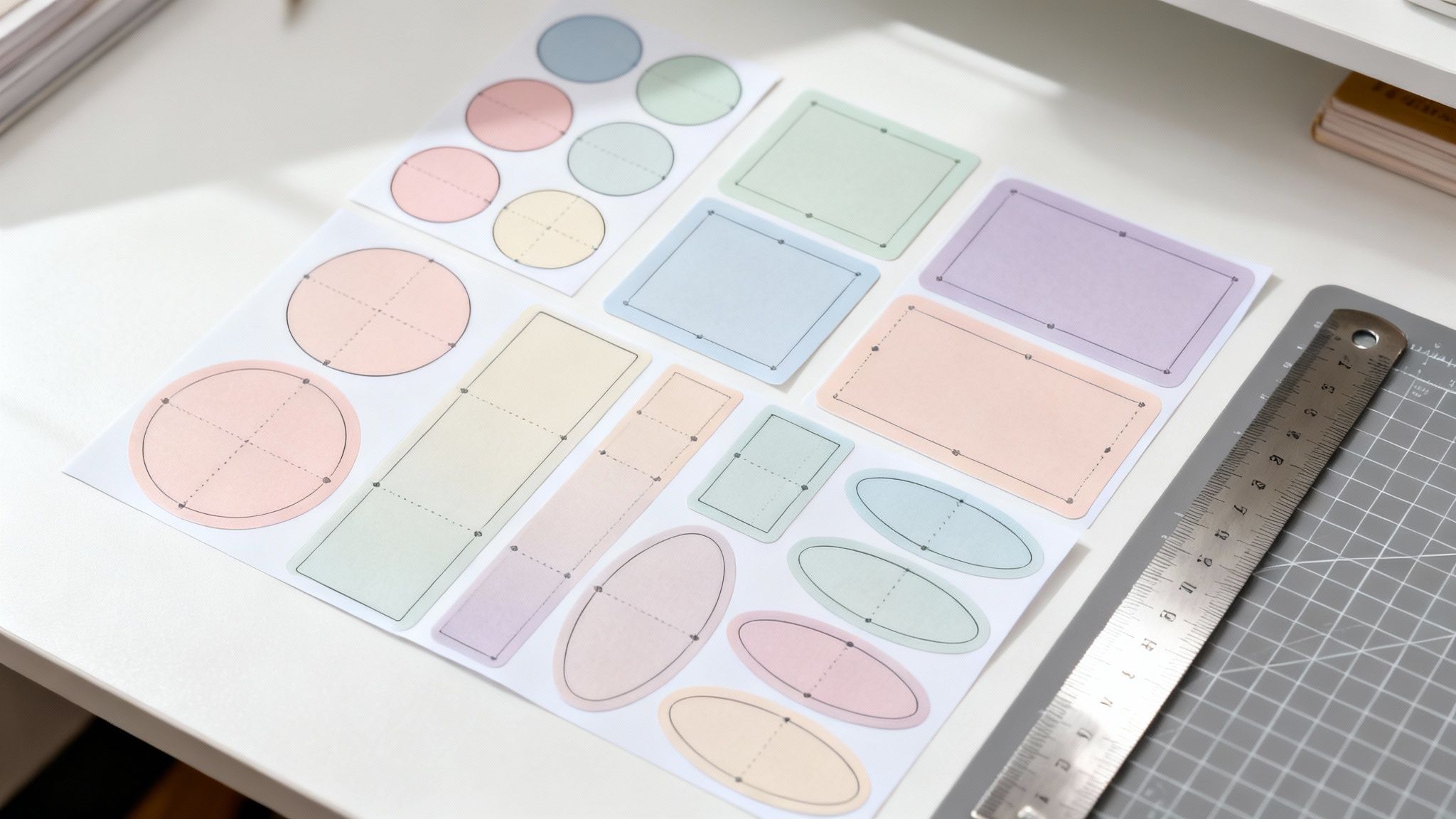
    The Subtle 1/8 Inch Radius

    A 1/8 inch (3.175mm) radius is the quiet, confident choice. It's like a perfectly tailored suit—sharp, professional, and polished without screaming for attention. The curve is just enough to soften the hard edges, adding a touch of modern sophistication while still feeling traditional and corporate.

    This is an excellent option for brands that want to communicate trustworthiness, expertise, and authority.

    • Law firms and financial advisors use it to look established yet current.
    • Consultants and corporate professionals find its clean, understated elegance fits their image perfectly.
    • Luxury brands can pair it with a premium paper stock for a truly refined feel.

    The Bold 1/4 Inch Radius

    On the flip side, a 1/4 inch (6.35mm) radius makes a much bigger statement. This wider, more obvious curve is like a friendly handshake—it feels open, modern, and distinctly creative. It gives the card a softer, almost pill-like shape that people notice and remember right away.

    This one is for brands that aren't afraid to stand out and want to project an image of innovation and friendliness. It’s a natural fit for:

    • Tech startups and design agencies looking to show off their forward-thinking culture.
    • Cafes, boutiques, and wellness studios that want to create a warm, inviting vibe.
    • Artists, photographers, and other creatives whose work is all about originality.

    Here’s a quick breakdown to help you visualize the difference.

    Corner Radius Comparison for Business Cards

    This table compares the two most common corner radius options, helping you decide which is best for your brand's aesthetic and industry.

    Radius Size Visual Effect Best For Industries Brand Personality
    1/8 Inch A subtle, gentle softening of the corners. Looks clean and professional. Law, Finance, Consulting, Real Estate, Corporate Trustworthy, Polished, Modern, Authoritative, Refined
    1/4 Inch A prominent, bold curve. Looks friendly, creative, and memorable. Tech, Design, Retail, Wellness, Arts & Crafts Approachable, Innovative, Friendly, Creative, Casual

    Ultimately, the choice comes down to what feels right for your brand. Does the curve complement your logo? Does it match the tone you want to set?

    The choice between these radii is significant. In markets where billions of cards are printed annually, the 19% of customers opting for custom shapes, including rounded corners, are making a deliberate branding decision. This choice helps satisfy the 82% of recipients who want cards that stand out in a stack.

    While a 1/8" and 1/4" radius are the most popular choices, don't feel limited. You can get even more creative with unique shapes. If you want to see just how far you can push your card's design, take a look at our custom shape die-cut collection.

    Preparing Flawless Files for Rounded Corner Printing

    Getting your design from a digital screen to a physical card that looks just right takes a little bit of prep work. And when you throw rounded corners into the mix, that precision becomes even more critical. Getting your print files set up correctly from the start is the best way to avoid costly delays or, worse, a final product that doesn't live up to your vision.

    Think of it like building a house—you need a solid blueprint with exact measurements. In printing, our "blueprint" relies on guides known as the bleed, trim line, and safe zone.

    Understanding the Print Production Canvas

    Imagine your business card design as a painting on a canvas that’s just a little bigger than the final frame you’ll put it in. That extra space around the edges is absolutely essential for a clean, professional finish.

    • Bleed Area: This is the outermost part of your design file, the space that extends beyond where the card will actually be cut. If your design has a background color or an image that's meant to go right to the edge, it must stretch all the way into this bleed area. It's a small buffer that guarantees you won't see any ugly white slivers on the edges after the cards are trimmed.
    • Trim Line: This is the literal cutting line. It marks the final dimensions of your card (for example, 3.5" x 2"). The cutting machine is aimed squarely at this target.
    • Safe Zone: This is the inner sanctuary of your design, a margin tucked just inside the trim line. All of your critical information—your name, logo, phone number, and email—needs to live comfortably inside this zone. It's a protective bubble that keeps your important details from getting accidentally clipped if the cutting shifts even a hair.

    When it comes to business cards with rounded corners, the safe zone is non-negotiable. The die-cutting process that creates those smooth curves can be a bit less forgiving than a straight cut, making it even more important to pull your vital content away from the edges.

    Setting Up Your File Step-by-Step

    Getting these elements right is actually pretty straightforward once you know the steps. Most design software, like Adobe Illustrator or Canva, has templates or settings that make this easy.

    1. Set Your Document Dimensions: Start by creating a document that includes both the final size and the bleed. For a standard US business card measuring 3.5" x 2", a standard 0.125" bleed on all sides means your file dimensions should be 3.75" x 2.25".

    2. Extend Your Background: Make sure any background colors, patterns, or images stretch all the way to the absolute outer edge of the bleed area. Don't stop short at the trim line.

    3. Respect the Safe Zone: Create a safe margin of at least 0.125" inside the trim line. Keep all your important text and logos well within this area to ensure nothing gets chopped off.

    4. Indicate Your Corners (If Needed): While 4OVER4's ordering system makes it simple to choose standard corner radii, a fully custom job might require you to provide a dieline. The process of creating custom shapes is a core part of what makes professional printing so versatile. You can explore what’s possible with our guide to die-cutting services.

    By taking a few minutes to prepare your files with these key areas in mind, you’re setting your design up for success. This simple prep work prevents the most common production headaches and leads to a polished, professional business card that looks exactly how you imagined it.

    Pairing Materials and Finishes for Maximum Impact

    Choosing rounded corners is a great first step, but the real magic happens when you pair that smooth shape with the right paper and finish. The material your business card is printed on is what brings the whole design to life. It’s all about creating a feeling—that instant tactile impression that says something about your brand before a single word is read.

    Think about running your thumb over a smooth, almost velvety surface. That’s the sensation of a soft-touch laminate, a finish that feels like it was made for the gentle curve of a rounded corner. This pairing screams modern luxury and sophistication. You can learn more about how to get this premium feel with our soft-touch printed products.

    On the flip side, maybe you want something that pops. A high-gloss UV finish makes the colors on your rounded card practically leap out. This is a perfect match for energetic, vibrant brands looking to project confidence and excitement. The slick, reflective surface against the soft edges creates a really dynamic, eye-catching contrast.

    Choosing the Right Substance

    The weight of the paper, measured in points (pt), gives your card a sense of substance and quality. While a standard 16pt stock is a perfectly solid and professional choice, moving up to a thicker paper can completely change how your brand is perceived.

    A hefty 32pt card, or an even thicker multi-layered stock, feels important in someone's hand. That weight communicates permanence and a real commitment to quality, making it far less likely your card will be casually tossed aside.

    Historically, rounded corners came about as a "softer, modern aesthetic" during the printing booms of the 19th century. Today, they’re often paired with other premium upgrades. In fact, 19% of customers are now opting for rounded or custom-shaped cards, and they’re frequently investing in enhancements—a whopping 79% of buyers choose lamination. This shows a clear trend: people who choose rounded corners are also choosing premium finishes to boost both the look and durability of their cards. And it works; rounded cards suffer 35% less damage to their edges.

    This infographic breaks down the essential steps for setting up your print file correctly—from bleed and trim to the all-important safe zone.

    Infographic illustrating the print file setup process, including steps for bleed, trim, and safe zone.

    Following this process is key. It guarantees that no matter what material you choose, your design ends up perfectly centered and flawlessly produced, without any of those dreaded white slivers along the edge.

    Powerful Combinations to Consider

    The right pairing of material, finish, and design can take your brand's message to the next level. Here are a few expert recommendations for making a powerful impression with your rounded corner business cards:

    • Timeless Sophistication: Try a subtle 1/8 inch corner radius with a textured linen or felt stock. This combination has a classic, high-end feel that’s perfect for consultants, boutique hotels, or luxury service providers.
    • Earthy and Approachable: Go for a bold 1/4 inch radius on recycled or kraft paper. This creates a friendly, organic vibe that’s an excellent choice for eco-conscious brands, artisans, and local coffee shops.
    • Sleek and Minimalist: Combine a standard radius with a simple, uncoated bright white stock. The clean material lets the smooth shape and minimalist design do all the talking, making it ideal for tech startups and design agencies.

    So, when does it make sense to go with rounded corners for your business cards? This isn't just about what looks cool—it's a strategic move that says a lot about your brand without you having to utter a single word.

    The shape of your card sends a vibe. Rounded corners tend to feel warmer, more modern, and friendlier, which makes them a perfect match for certain types of businesses.

    Creative pros, tech companies, and brands in the wellness space often gravitate toward this softer, more contemporary look. If you’re a graphic designer, a startup founder, or a yoga instructor, a card with smooth edges can be a perfect reflection of a brand built on being approachable and thinking differently. It’s just enough of a departure from the norm to feel fresh and stick in someone’s memory.

    The Modern Coffee Shop: A Case Study

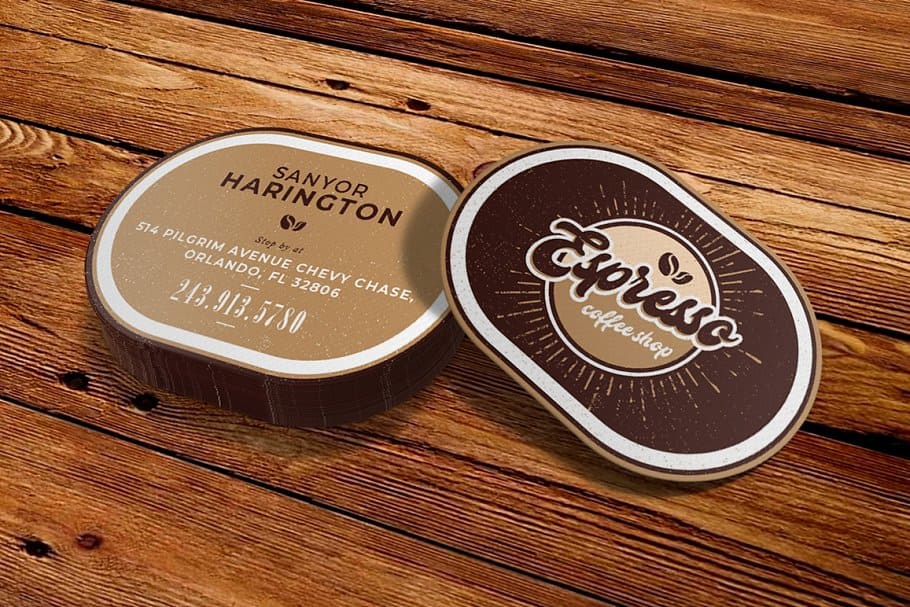
    Picture a new coffee shop popping up on a busy street corner. The owner wants to build a space that feels like a community hub, a place where people can comfortably hang out. They decide on a business card with a bold 1/4 inch corner radius, printed on a thick, uncoated kraft paper stock.

    That soft, almost pill-like shape feels instantly accessible and welcoming, tying right back into the shop’s cozy atmosphere. When a customer grabs one, the feel of the card reinforces that promise of warmth and comfort. In this scenario, the rounded corners aren't just a design flourish; they're a physical extension of the business’s entire personality.

    The Established Law Firm: A Contrast

    Now, let's flip the script. Think about a prestigious law firm that’s been around for a hundred years. Their brand is all about tradition, authority, and rock-solid stability. For them, a classic business card with sharp, square corners is the only way to go. Those crisp, clean lines telegraph precision, formality, and seriousness.

    For a brand like that, rounded corners could easily send the wrong message, potentially chipping away at the firm's image of established expertise. It all comes down to alignment—the physical card has to back up the brand's story.

    This contrast really brings home the main question you need to ask: what story is my brand telling?

    • Go for rounded corners if your brand is: Innovative, friendly, modern, creative, or all about making a personal connection. This is a great fit for tech, wellness, retail, and the arts.
    • Stick with square corners if your brand is: Traditional, formal, authoritative, or built on a long legacy of trust. This usually includes fields like corporate law, institutional finance, and established consulting firms.

    At the end of the day, the most effective business cards with rounded corners are the ones used with intention. When you really think about your audience and what your brand stands for, you can pick a design that not only looks great but also strengthens your professional image and truly connects with the people you want to reach.

    So, What's the Deal with Cost and Production Time?

    When you’re mapping out your order for business cards with rounded corners, it’s smart to get a handle on the two big practicals: budget and timing. You'll probably notice that these cards cost a little more and take a bit longer to make than their standard square-edged cousins. This isn't just a random upcharge; it's all because of a crucial extra step in how they're made.

    That extra step is called die-cutting. After your cards are printed and trimmed to size, they head over to a specialized machine that uses a super-sharp die to perfectly shear off each corner. This process requires more setup, dedicated machinery, and careful quality checks, which explains the modest bump in both the price tag and the production schedule.

    Factoring in the Investment

    It helps to think of this as a small investment in quality. For a minor additional cost, you’re getting a card that’s way more durable and has a memorable, premium feel right out of the box. This simple upgrade is what prevents that dreaded dog-eared look and makes your card a keeper.

    The real value of rounded corners is how they elevate your brand's perception. That small, upfront investment in die-cutting pays you back by delivering a card that looks and feels more professional, encouraging people to actually hold onto it.

    To keep your budget in check, here are a few simple tips:

    • Plan Ahead: This is the easiest one. Ordering your cards well in advance helps you dodge rush fees and keeps costs down.
    • Stick to Standard Options: Choosing a standard corner radius like 1/8" or 1/4" is usually more budget-friendly than a completely custom die-cut shape.
    • Layer on Other Finishes: If you have room in the budget, pairing rounded corners with other premium features can create an even more stunning result. Check out how a striking effect like edge painting can add another layer of "wow" to your design.

    Common Questions About Rounded Corner Business Cards

    Dipping your toes into the world of custom printing usually sparks a few questions. We get it. To help you lock in your choices with total confidence, we’ve put together some quick, clear answers to the questions we hear most about designing and ordering business cards with rounded corners.

    Can I Have Just One or Two Corners Rounded on My Card?

    You absolutely can. This is actually a popular and seriously stylish choice for crafting a unique, asymmetrical look that helps you stand out from the stack. Many printers, including us here at 4OVER4, can do custom die-cutting for one, two, or three rounded corners on a single card.

    This approach strikes a sophisticated balance between the sharp, traditional look and a softer, modern feel. The key to getting it just right is your print file—it needs a clear dieline showing us exactly which corners to round.

    Do Rounded Corners Work Well with All Business Card Sizes?

    Yep, rounded corners are incredibly versatile and look great on standard, square, or even mini business cards. The trick, though, is getting the proportions right. A bold 1/4" radius might look a bit clunky or overwhelming on a tiny mini card, while a more subtle 1/8" radius would likely feel like a much better fit.

    Think of it like this: the corner radius is the frame for your artwork. The goal is to make sure it complements the card's dimensions, not compete with them. It’s all about creating a final product that looks harmonious and professional.

    You wouldn’t put a giant, ornate frame on a small, delicate painting, right? Same principle applies here.

    Are Rounded Corners Unprofessional for Certain Industries?

    This is a great question, and the answer really comes down to perception. While rounded corners are widely seen as modern and professional, some highly traditional fields—think corporate law or big-time institutional finance—often stick to sharp, square corners. In those circles, that classic look can signal established authority and formality, which is exactly what their clients expect.

    For the vast majority of industries today, however, that's not the case. In tech, marketing, creative fields, and retail, rounded corners are perfectly professional. They often help a brand feel more approachable, friendly, and innovative. The best choice is always the one that reflects the specific brand image you want to project to your audience.


    Ready to create a business card that people will actually remember? At 4OVER4, we offer a huge selection of paper stocks, finishes, and custom options to bring your vision to life. Design your perfect rounded corner business cards today and see what a difference true quality makes. Start your order at 4OVER4

    More from business cards with rounded corners

    Finding the Ideal Size of a Poster in Pixels
    story
    Finding the Ideal Size of a Poster in Pixels

    9

    If you're designing a standard 18x24 inch poster, you’ll want a file that’s 5400 x 7200 pixels to ge

    author avatarEmma Davis

    Jan 11, 2026

    Create Outlines in Illustrator A Guide to Flawless Print-Ready Files
    story
    Create Outlines in Illustrator A Guide to Flawless Print-Ready Files

    48

    When you hear a designer talk about "creating outlines in Illustrator," they're referring to one of two things: converting live

    author avatarEmma Davis

    Jan 10, 2026

    The Difference Between Matte and Glossy Print Finishes
    story
    The Difference Between Matte and Glossy Print Finishes

    27

    The real difference between matte and glossy boils down to a single element: light. How does the paper's surface interact

    author avatarEmma Davis

    Jan 9, 2026

    Screen Print Vs Vinyl A Guide to the Best Printing Method
    story
    Screen Print Vs Vinyl A Guide to the Best Printing Method

    23

    When you're trying to decide between screen printing and vinyl, the choice really boils down to two things: volume and design. If you'

    author avatarEmma Davis

    Jan 8, 2026

    How to Print Business Cards That Actually Get Noticed
    story
    How to Print Business Cards That Actually Get Noticed

    42

    Printing a business card might seem straightforward, but a handful of small details are what separate a truly memorable card from one that get

    author avatarEmma Davis

    Jan 7, 2026

    Finding the Best Font for Flyers to Elevate Your Design
    story
    Finding the Best Font for Flyers to Elevate Your Design

    47

    When you need to make an impact fast, your font choice is everything. For flyers, you can't go wrong with timeless, readable options like

    author avatarEmma Davis

    Jan 6, 2026

    A Practical Guide to Business Card Design Online
    story
    A Practical Guide to Business Card Design Online

    51

    In a world drowning in digital pings and overflowing inboxes, the humble business card is more powerful than ever. It's a real handshake,

    author avatarEmma Davis

    Jan 5, 2026

    Your Ultimate Guide to Typical Banner Sizes
    story
    Your Ultimate Guide to Typical Banner Sizes

    45

    It's a classic question we get all the time: "What's a typical banner size?" The honest answer? There really isn't one u

    author avatarEmma Davis

    Jan 4, 2026

    Home
    Products
    Favorites
    Cart
    Account