
- Home
- content hub
- 10 Best Business Card Ideas to Elevate Your Brand in 2025
10 Best Business Card Ideas to Elevate Your Brand in 2025
Emma Davis
Content Writer
Jun 24, 20253464 views

Beyond the Rectangle: Why Your First Impression Matters More Than Ever
In a digital-first world, a physical business card has become a powerful statement. It's no longer just a vessel for contact details; it's a tangible piece of your brand, a conversation starter, and a testament to your professionalism. Moving beyond the standard glossy rectangle is crucial for standing out in a saturated market. The right business card can solidify your brand identity, convey quality, and create a memorable experience that digital interactions often lack. To truly make your business card a powerful first impression, it helps to understand your brand's core identity. Explore these essential branding tips for small businesses to ensure your card perfectly aligns with your overall message.
This guide explores some of the best business card ideas that leverage innovative materials, modern technology, and timeless design principles. We will move beyond generic advice to provide specific, actionable strategies for choosing a card that is both impressive and functional. This list is designed to help you think differently about that small piece of cardstock, transforming it into a strategic marketing tool that ensures your first impression is both impactful and lasting.
From the tactile feel of textured paper to the futuristic appeal of interactive NFC technology, we will cover a curated selection of concepts. You will learn how to implement these ideas, from die-cut shapes that reflect your industry to the sophisticated sheen of foil stamping. Our goal is to provide a comprehensive roundup of options so you can find the perfect match for your unique brand, ensuring your card doesn’t just get filed away, but remembered.
1. Die-Cut and Shaped Business Cards
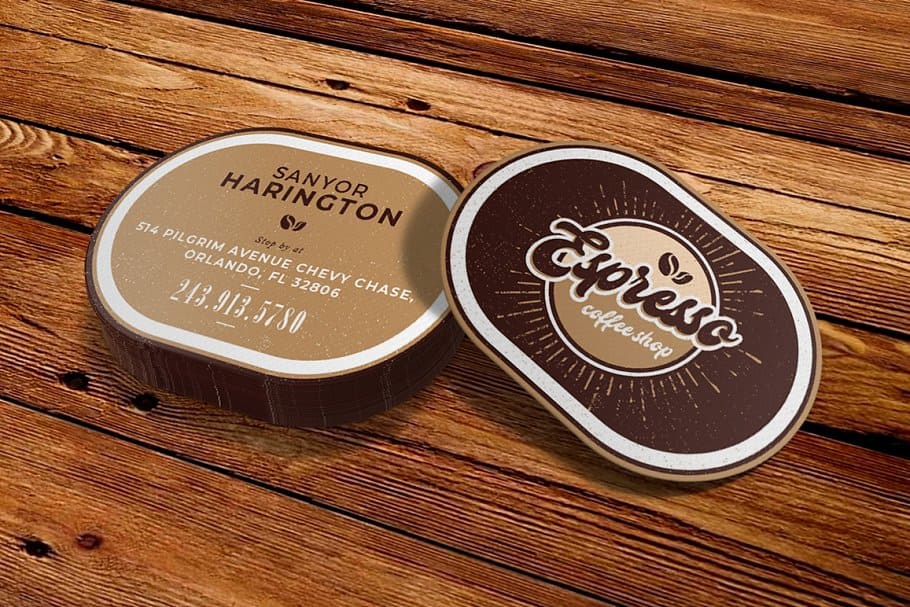
One of the most effective ways to make a business card unforgettable is to move beyond the standard rectangle. Die-cut business cards are custom-shaped, using a specialized process to cut paper or cardstock into unique forms that directly reflect a brand's identity or services. This technique instantly separates your card from the pile, creating a powerful and tactile first impression that communicates creativity and attention to detail.

This method is one of the best business card ideas because it transforms a simple piece of contact information into a conversation starter. A unique shape makes your brand more memorable and reinforces what you do in a tangible way.
Implementation and Strategic Use
The key to a successful die-cut card is relevance. The shape should be an intuitive symbol of your business. For example:
- For a photographer: A card shaped like a camera or a vintage photo slide.
- For a coffee shop: A card cut into the shape of a coffee cup or a coffee bean.
- For a real estate agent: A house or key-shaped card.
- For a dog groomer: A card shaped like a bone or a dog paw.
Actionable Tips for Die-Cut Designs
To ensure your investment in custom shapes pays off, consider these practical tips:
- Prioritize Durability: Complex shapes with thin, protruding parts can easily bend or break. Opt for sturdy cardstock and consider simpler, more robust shapes. Rounded corners can also help prevent fraying and damage.
- Balance Shape with Function: The primary purpose of a business card is to convey information. Ensure your chosen shape has a clear, flat area where text is easily readable. Avoid placing critical contact details on parts of the card that might be bent or obscured.
- Test for Practicality: Before placing a large order, get a sample. Check if the card fits comfortably in a standard wallet or cardholder. An awkwardly sized card may be impressive initially but could be discarded if it’s inconvenient to carry.
Die-cutting offers a fantastic opportunity for creative branding. To explore the possibilities and technical specifics, you can learn more about die-cutting services at 4over4.com.
2. Transparent and Clear Plastic Cards
For a business card that feels futuristic and immediately stands out, transparent and clear plastic cards offer a sleek, high-tech alternative to traditional paper. Made from durable PVC materials, these cards can be fully transparent or feature a frosted finish, creating a sophisticated and modern aesthetic. This choice signals innovation and precision, making a lasting impression that associates your brand with quality and cutting-edge design.

This approach is one of the best business card ideas because it leverages a unique material to create a memorable tactile and visual experience. The see-through element is inherently intriguing, prompting recipients to take a closer look and ensuring your card gets noticed in a sea of standard cardstock.
Implementation and Strategic Use
The transparency of the card should complement the brand's message. It is particularly effective for industries that want to project a clean, modern, or forward-thinking image. For example:
- For technology companies: A clear card can symbolize transparency and innovation.
- For architects or designers: A frosted plastic card can highlight clean lines and minimalist aesthetics.
- For photographers: A transparent card can be designed to mimic a camera lens or viewfinder.
- For medical professionals: The clean, sterile look of a plastic card can project precision and hygiene.
Actionable Tips for Plastic Card Designs
To maximize the impact of your transparent card design, keep these tips in mind:
- Prioritize Readability: Text can disappear on a fully transparent background. Use bold, opaque inks like white or metallic colors for maximum contrast and visibility. Incorporating frosted or semi-opaque sections behind your contact details is a great way to ensure legibility.
- Balance Simplicity and Detail: The beauty of a clear card is often in its minimalism. Avoid cluttering the design. Use negative space effectively and focus on a strong logo and essential contact information.
- Consider the Finish and Thickness: Plastic cards come in various thicknesses. A thicker card (e.g., 30mil) feels more substantial and premium, like a credit card, while a thinner one offers more flexibility. A frosted finish can reduce fingerprints and glare compared to a glossy, fully clear card.
Plastic cards provide a durable and impressive medium for your brand. To see the different finishes and printing options available, you can explore various styles of plastic card printing at 4over4.com.
3. Metal Business Cards
For those looking to make a powerful statement of permanence, luxury, and prestige, metal business cards are the ultimate choice. Crafted from materials like stainless steel, aluminum, brass, or copper, these cards move beyond paper to offer a tangible sense of quality and durability. Their substantial weight and cool, distinctive feel command immediate respect and signal that your brand operates at a premium level.
This visualization provides a quick reference for the defining characteristics of metal cards.

The combination of exceptional durability and a high-end feel justifies the investment for brands aiming to project authority. This method is one of the best business card ideas because it creates an unparalleled impression of exclusivity and confidence, ensuring your card is not just kept but treasured.
Implementation and Strategic Use
A metal card is an investment in your brand's perceived value, making it ideal for high-stakes industries and roles where first impressions are critical. The key is to align the material with your brand identity.
- For executive-level professionals: A sleek, black stainless steel card with laser-etched details communicates authority and sophistication.
- For luxury brands (e.g., high-end automotive, jewelers): Polished brass or copper cards can evoke a classic, opulent feel.
- For premium construction or architectural firms: A brushed aluminum card reflects modernism, strength, and precision.
- For exclusive financial advisors: A heavy, refined metal card instills a sense of security and trust.
Actionable Tips for Metal Designs
To maximize the impact of your metal business cards, consider these practical tips:
- Choose the Right Metal: Your choice of metal and finish should mirror your brand's personality. Stainless steel is modern and durable, brass is classic and warm, and black metal is sleek and commanding.
- Keep the Design Minimalist: The material is the main feature. Overly complex designs can clutter the surface and detract from the premium feel. Simple logos and crisp text, applied through laser etching or cut-outs, often yield the most elegant results.
- Factor in Production and Weight: Metal cards are significantly heavier and more expensive to produce and ship than their paper counterparts. Plan your budget accordingly and consider reserving these cards for high-value contacts.
- Consider Finishes: A brushed finish is not just a stylistic choice; it's a practical one that helps conceal minor scratches and fingerprints, keeping your card looking pristine for longer.
Metal cards are designed to leave a lasting mark. To see the full range of customization options, explore the different types of metal business cards from 4over4.com.
4. Embossed and Debossed Cards
To elevate a business card from a simple informational tool to a sophisticated statement piece, consider the tactile effects of embossing and debossing. Embossing creates a raised, three-dimensional element on the cardstock, while debossing presses a design into the surface, creating an indentation. These techniques add a layer of physical depth and elegance, encouraging recipients to touch and engage with the card, which significantly enhances brand recall.

This method is one of the best business card ideas for conveying a sense of quality, tradition, and luxury. The subtle interplay of light and shadow across the textured surface communicates a brand’s commitment to craftsmanship and attention to detail, making it a powerful choice for businesses that want to project an image of premium value and prestige.
Implementation and Strategic Use
The key to effective embossing or debossing is subtlety and purpose. The textured element should highlight the most important part of your brand identity, such as a logo or monogram. This approach is ideal for:
- Law firms and financial consultants: Reinforcing a sense of stability, tradition, and authority.
- Luxury wedding planners: Evoking the elegance and high-end nature of their services.
- High-end consulting firms: Projecting an image of established expertise and premium quality.
- Premium jewelry designers: Mirroring the craftsmanship and fine detail of their products.
Actionable Tips for Embossed and Debossed Designs
To ensure your textured card makes the right impression, follow these practical guidelines:
- Use Thicker Cardstock: Embossing and debossing require pressure that can warp or tear thin paper. Opt for a thick, high-quality cardstock (at least 16pt or heavier) to support the depth and ensure a crisp, clean finish.
- Keep Designs Simple and Bold: Intricate, fine-lined designs can lose their detail and become muddled when embossed or debossed. Bold logos, simple patterns, or clear typography work best for a strong tactile and visual impact.
- Consider Blind Embossing: For a minimalist and highly sophisticated look, use blind embossing, which is a raised design without any ink or foil. This creates a subtle, elegant texture that speaks of confidence and refined taste.
- Test Text Readability: If you plan to emboss or deboss text, get a sample first. Ensure that the letters are still perfectly legible and that the effect enhances, rather than hinders, readability.
Embossing adds a memorable, tactile dimension to your branding. To see how these techniques can be applied, you can explore the options for embossing services at 4over4.com.
5. Wood Business Cards
For a truly organic and sophisticated impression, wood business cards offer a distinct departure from paper. Crafted from thin, real wood veneers like cherry, birch, or bamboo, these cards provide an unmatched tactile experience. The natural grain and warm texture instantly communicate a commitment to quality, sustainability, and craftsmanship, making them a powerful tool for brands that value authenticity and an eco-friendly ethos.
This material is one of the best business card ideas because it connects your brand to nature and durability. A wood card feels substantial and valuable, ensuring it won't be easily discarded. The unique grain of each card means no two are exactly alike, adding a layer of bespoke exclusivity to your professional introduction.
Implementation and Strategic Use
Wood business cards are most effective when the material itself aligns with the brand's core values. The organic feel makes them a perfect fit for specific industries. For example:
- For sustainable architecture firms: A card that reflects their commitment to natural building materials.
- For artisan craftspeople and woodworkers: A literal sample of their craft and attention to detail.
- For organic food companies: Reinforces a connection to nature and wholesome ingredients.
- For environmental consulting firms: A tangible symbol of their dedication to the planet.
Actionable Tips for Wood Designs
To maximize the impact of your wood business cards, keep these practical considerations in mind:
- Choose the Right Wood Type: Different woods have unique colors, grains, and levels of durability. Bamboo is light and eco-friendly, while cherry or walnut offers a darker, more luxurious feel. Select a wood that complements your brand's aesthetic and can withstand handling.
- Use Laser Engraving for Clarity: While printing is an option, laser engraving offers a crisp, permanent, and professional finish. The burned-in effect creates a beautiful contrast and enhances the card's natural texture, ensuring text and logos are sharp and legible.
- Apply a Protective Coating: A thin, matte protective coating can prevent moisture damage, warping, and splintering without sacrificing the wood's natural feel. This small step significantly extends the life and durability of the card.
- Consider Grain Direction: Work with your designer to align your layout with the wood's natural grain. Placing text and logos thoughtfully in relation to the grain pattern can create a more harmonious and visually appealing design.
Wood cards offer a memorable and premium branding opportunity. To see the various options available, you can explore the wood collection at 4over4.com.
6. Interactive NFC/QR Code Cards
Bridging the gap between physical networking and the digital world, interactive business cards use technology like QR codes or embedded Near Field Communication (NFC) chips. This allows recipients to instantly access a wealth of digital information, such as a website, portfolio, or social media profiles, simply by scanning the card with their smartphone. This modern approach positions your brand as tech-savvy and forward-thinking, providing a seamless user experience that traditional cards cannot match.
This method is one of the best business card ideas for professionals who want to offer more than just static contact details. It turns the card into a gateway to a dynamic, rich digital profile, making it easier for new connections to engage with your work, book an appointment, or add your contact details directly to their phone.
Implementation and Strategic Use
The power of an interactive card lies in its immediate utility. The linked digital destination should offer significant value beyond the printed information. Examples include:
- For tech professionals: Linking to a GitHub profile, a live project demo, or an interactive resume.
- For digital marketing agencies: A QR code leading to a case study portfolio or a video reel of successful campaigns.
- For social media consultants: Direct links to their most active and curated social media channels.
- For modern real estate agents: A link to a virtual tour of a featured property or an up-to-date listings page.
Actionable Tips for Interactive Designs
To ensure your tech-infused card is effective and professional, follow these guidelines:
- Include Backup Printed Information: Technology can fail, and not everyone is comfortable using QR codes or NFC. Always include your most essential contact information, like your name, phone number, and email, printed on the card itself.
- Test Thoroughly Before Printing: Scan your QR code with multiple devices (both Android and iOS) and from different angles to ensure it works flawlessly. If using NFC, test the chip's read distance and reliability.
- Use Mobile-Optimized Landing Pages: The destination link must lead to a page that is fast, responsive, and easy to navigate on a mobile device. A poor mobile experience will undermine the card's sophisticated first impression.
- Consider NFC for a Premium Experience: While QR codes are universally recognized, an NFC-enabled card offers a more seamless "tap-to-share" experience that feels modern and exclusive, making it ideal for high-value networking. To further explore how cutting-edge technology can enhance your networking tools, consider how top branded tech gifts are being utilized to create lasting impressions.
7. Foil Stamped Business Cards
For brands aiming to convey luxury, sophistication, and premium quality, foil stamping is an unparalleled choice. This technique involves applying a thin metallic or pigmented foil to specific areas of a business card using heat and pressure. The result is a shimmering, reflective accent that catches the light and adds a tactile, high-end finish, instantly elevating your brand's perceived value.
This method is one of the best business card ideas because it communicates a commitment to quality and detail. A touch of foil can transform a standard card into a memorable token of prestige, making it ideal for industries where a premium image is crucial for attracting the right clientele.
Implementation and Strategic Use
The power of foil stamping lies in its ability to highlight key information with elegance. It works best when applied thoughtfully to specific design elements rather than the entire card. Consider these applications:
- For high-end fashion brands: Foil stamping a logo or designer's signature in gold or silver.
- For luxury real estate agencies: Using rose gold or copper foil to accent property details or the company name.
- For premium event planners: Highlighting event titles or contact information with holographic or colored foil.
- For exclusive financial services: Applying a subtle, matte silver foil to a logo for a modern, sophisticated look.
Actionable Tips for Foil Stamped Designs
To get the most out of this premium finish, follow these practical guidelines:
- Use Foil Sparingly: Less is more. Overusing foil can make a design look gaudy and detract from its elegance. Apply it strategically to a logo, your name, or a single graphic element for maximum impact.
- Choose Complementary Colors: Select a foil color that aligns with your brand's palette. Classic gold, silver, and copper work well with dark, rich cardstocks, while colored or holographic foils can add a modern, creative flair.
- Combine with Quality Cardstock: Foil stamping looks best on thick, high-quality paper. A matte or soft-touch laminate finish can create a stunning contrast with the shiny foil, enhancing the tactile experience.
- Ensure Readability: When applying foil to text, make sure the font is thick enough to hold the foil application clearly. Very thin or intricate fonts may not stamp cleanly, resulting in a loss of detail.
Foil stamping adds a layer of distinction that is hard to ignore. To see the variety of foil options available, check out the foil stamping services at a printer like Vistaprint.
8. Minimalist Design Cards
In a world saturated with visual noise, a minimalist business card communicates confidence, clarity, and sophistication. This design philosophy strips away non-essential elements, focusing instead on powerful typography, strategic use of white space, and only the most critical information. The result is a clean, uncluttered card that feels intentional and premium, allowing the quality of the materials and the elegance of the design to speak for themselves.
This approach is one of the best business card ideas because it conveys professionalism through restraint. Rather than shouting for attention with bright colors or complex graphics, a minimalist card draws the eye with its purposeful simplicity and impeccable execution, suggesting a brand that is focused, modern, and detail-oriented.
Implementation and Strategic Use
Minimalism is not about being boring; it's about making every single element count. This style is particularly effective for brands that want to project an image of modern elegance, precision, and trustworthiness. Examples include:
- For a tech startup: A simple logo mark with a single, elegant font for contact details on a clean background.
- For a modern architecture firm: Using grid-based layouts, precise alignment, and a monochrome color palette to reflect structural design principles.
- For a high-end consultant: A card featuring only a name and a website, printed on exceptionally thick, textured paper stock.
- For a contemporary medical practice: A clean, spacious layout that inspires a sense of calm, order, and trust.
Actionable Tips for Minimalist Designs
To execute a minimalist design effectively, attention to detail is paramount. Here are some tips to ensure your card makes a powerful statement:
- Invest in Premium Typography: Since text is the main design element, your choice of font is crucial. Select one or two high-quality, legible typefaces. Consider a professional font license from a reputable foundry like MyFonts to find a unique typeface that aligns with your brand.
- Prioritize High-Quality Materials: When the design is simple, the texture and weight of the paper become central to the experience. Opt for ultra-thick cardstock, cotton paper, or other premium materials that feel substantial and luxurious to the touch.
- Master White Space and Alignment: Use negative space intentionally to guide the eye and create a balanced, uncluttered composition. Ensure every element is perfectly aligned, as even minor imperfections become highly noticeable in a minimalist layout.
- Limit Your Color Palette: Stick to a monochrome scheme or a maximum of two complementary colors. This restraint reinforces the clean aesthetic and ensures the focus remains on the essential information and overall design structure.
9. Vintage and Retro Style Cards
Tapping into the power of nostalgia, vintage and retro style business cards leverage design elements from past decades to create a sense of authenticity, craftsmanship, and timeless quality. By using classic typography, muted color palettes, and period-specific aesthetics, these cards evoke a feeling of heritage and tradition. This approach instantly communicates a brand's commitment to established values and artisanal skill, making it a standout in a world of modern, minimalist design.
This method is one of the best business card ideas because it builds an immediate emotional connection. A retro design tells a story, suggesting a brand is not just a fleeting trend but is built on a foundation of enduring quality, making it highly effective for businesses that pride themselves on traditional methods or products.
Implementation and Strategic Use
The success of a vintage card lies in its ability to transport the recipient to a specific era that aligns with the brand's ethos. The design should feel authentic, not like a superficial costume. For instance:
- For a craft brewery: A design reminiscent of a 1930s Prohibition-era poster or a 1950s beer label.
- For a traditional barbershop: An ornate, Victorian-inspired design with detailed borders and script fonts.
- For an artisanal food producer: A simple, rustic look inspired by mid-20th-century farm packaging.
- For a vintage clothing store: A design that mimics Art Deco patterns from the 1920s or groovy typography from the 1970s.
Actionable Tips for Vintage Designs
To create a retro card that feels genuine and professional, focus on the details:
- Research Your Era: Before designing, immerse yourself in the aesthetics of your chosen decade. Study old advertisements, packaging, and typography to understand the authentic design language and avoid anachronisms.
- Use Period-Appropriate Fonts: Typography is crucial. Use fonts that were popular during the era you are emulating. Look for classic serifs, hand-drawn scripts, or bold, geometric sans-serifs that fit the period.
- Consider Textured Paper Stocks: Enhance the tactile experience with paper that feels aged. Uncoated, cream-colored, or kraft paper stocks can add a layer of authenticity that standard glossy cards lack.
- Balance Vintage with Modern Readability: While style is important, the card must still function. Ensure that your contact information is clear, legible, and easy to find. Combine ornate vintage elements with clean, modern layouts for key details to achieve the perfect balance.
Vintage designs offer a powerful way to tell a brand's story. For inspiration and high-quality printing options, check out the offerings at MOO.
10. Textured Paper Cards
While visual design is crucial, the sense of touch can leave an equally powerful and lasting impression. Textured paper cards leverage specialty stocks with unique finishes like linen, felt, cotton, or even wood grain to create a distinctive tactile experience. When someone holds your card, they don't just see your brand; they feel its quality, sophistication, and character, making it one of the best business card ideas for creating an immediate sense of premium value.
This method transforms a standard business card into a sensory experience, communicating brand attributes like luxury, craftsmanship, or organic quality before a single word is read. The subtle texture can elevate a simple design, making the card feel more substantial and thoughtfully produced.
Implementation and Strategic Use
The key to using textured paper is aligning the feel of the card with your brand’s personality and the expectations of your clientele. The texture should feel like a natural extension of your business.
- For high-end interior designers: A card with a subtle linen or canvas texture can evoke the feel of fine fabrics and materials.
- For luxury wedding planners: A soft, cotton-feel paper suggests elegance, romance, and attention to detail.
- For artisanal food producers: A card with a recycled, fibrous, or craft paper texture can reinforce a commitment to natural, handmade quality.
- For premium consulting firms: A sleek, subtly ribbed, or felt-finished stock communicates professionalism and a high-end service.
Actionable Tips for Textured Designs
To ensure your textured card effectively represents your brand, consider these practical tips:
- Request Samples First: Always test how your design prints on a textured surface before placing a full order. Some intricate details or light-colored fonts may not appear as crisp on heavily textured paper.
- Match Texture to Brand Voice: A rustic, pulpy texture is perfect for an eco-conscious brand but would feel out of place for a modern tech startup. Ensure the tactile feel supports your brand's core message.
- Consider Readability: While texture adds depth, it shouldn't detract from the card's main function. Choose textures that enhance, rather than obscure, your contact information. Embossing or debossing text can help it stand out on a textured background.
- Pair with Minimalist Design: Often, a beautiful texture speaks for itself. A clean, minimalist design allows the paper’s quality to be the main feature, preventing the overall look from becoming too busy.
Textured paper is a superb way to add a layer of sophistication. You can explore a variety of specialty paper options at a provider like Moo, which offers unique stocks like cotton made from recycled t-shirt fabric.
Top 10 Business Card Styles Comparison
| Card Type | Implementation Complexity 🔄 | Resource Requirements ⚡ | Expected Outcomes 📊 | Ideal Use Cases 💡 | Key Advantages ⭐ |
|---|---|---|---|---|---|
| Die-Cut and Shaped Cards | High: specialized die-cutting needed | Higher cost, longer production time | Unique, memorable shapes emphasizing brand identity | Creative industries, personal branding | Distinct silhouette, memorable, strong brand reinforcement |
| Transparent Plastic Cards | Medium: requires plastic printing | Durable plastic materials, moderate cost | Modern, premium, and durable visual appeal | Tech, creative, medical, architecture | Water-resistant, modern look, unique translucency |
| Metal Business Cards | High: requires metal etching/engraving | Very high cost and weight | Luxury, durable, and professional with strong tactile impression | Luxury brands, executives, premium services | Exceptional durability, premium feel, very memorable |
| Embossed/Debossed Cards | Medium-High: embossing equipment plus design care | Higher cost, longer print times | Sophisticated, tactile depth with subtle luxury | Law firms, luxury planners, high-end services | Tactile texture, professional look, elegant detail |
| Wood Business Cards | Medium: laser engraving, special material | Higher cost, eco-friendly materials | Natural warmth, eco-conscious branding | Sustainable brands, artisans, outdoors | Unique natural texture, sustainable, memorable |
| Interactive NFC/QR Code | Medium: tech integration and print | Higher cost for NFC, QR integration | Digital connectivity, instant information transfer | Tech, marketing, modern networking professionals | Seamless digital sharing, trackable, reduces manual entry |
| Foil Stamped Cards | Medium-High: foil stamping equipment | Higher printing costs, precise design | Luxurious, eye-catching metallic accents | Luxury fashion, hospitality, premium services | Premium metallic shine, durable, strong brand differentiation |
| Minimalist Design Cards | Low: simple design focus | Low cost, standard printing | Clean, timeless, highly readable | Modern firms, tech startups, medical practices | Cost-effective, readable, timeless elegance |
| Vintage and Retro Cards | Medium: authentic design reproduction | Moderate cost for specialty printing | Nostalgic, emotional appeal, distinctive aesthetic | Artisanal, creative, traditional businesses | Memorable, emotional connection, stands out from modern look |
| Textured Paper Cards | Medium: specialty paper and printing | Higher cost for textured stocks | Premium tactile feel with visual interest | Luxury planners, designers, artisanal businesses | Memorable texture, premium impression, wide variety of options |
Choosing Your Perfect Card and Bringing It to Life
We've explored a dynamic landscape of the best business card ideas, from the unmissable tactile sensation of embossed and debossed designs to the futuristic engagement of NFC-enabled smart cards. Each concept offers a unique avenue for connection, a distinct way to make your first impression count and, more importantly, to make it last. The journey from a simple contact exchange to a memorable brand experience starts with this small but mighty piece of marketing collateral.
The true power of these ideas lies not in simply picking the most novel or expensive option, but in aligning your choice with the core of your brand's identity. The most effective business card is a tangible echo of your brand's voice, values, and vision. It's a physical artifact that continues the conversation long after you’ve left the room.
From Concept to Connection: A Strategic Framework
Choosing the right card is a strategic decision, not just an aesthetic one. To move from inspiration to implementation, consider this simple framework to guide your choice:
- Reflect Your Brand Personality: Is your brand modern and sleek, or rustic and artisanal? A minimalist design on premium textured paper might suit a contemporary consulting firm, while a custom die-cut wooden card perfectly captures the essence of a bespoke furniture maker. The material, texture, and design should feel like a natural extension of your company.
- Understand Your Target Audience: Who are you trying to connect with? A tech-savvy audience at a startup conference might be wowed by the instant digital access of a QR code or NFC card. Conversely, a C-suite executive in a traditional industry might be more impressed by the substantial, luxurious feel of a metal or foil-stamped card.
- Align with Your Core Message: Your business card is a key physical touchpoint that reflects your brand's identity. Understanding effective brand positioning strategies is crucial to ensure your card conveys the right message. A card that highlights eco-friendly materials reinforces a commitment to sustainability, while an interactive card showcases a brand built on innovation and forward-thinking.
The Critical Path to Execution
Once you have a clear vision, the execution phase becomes paramount. The difference between a good idea and a great business card often comes down to the quality of production. A poorly printed foil stamp or a clumsily executed die-cut can undermine the very impression you're trying to create. This is where partnering with a skilled and experienced printing partner is not just a recommendation; it's a necessity.
Look for a provider who demonstrates mastery over the specialty techniques you're interested in. Ask for samples, review their portfolio, and ensure they have the capabilities to translate your ambitious concept into a flawless finished product. Precision in printing, cutting, and finishing ensures that the final card feels as premium and professional as you envisioned. Your brand deserves nothing less than expert execution.
Your Card Is Your Brand's Ambassador
Ultimately, the best business card ideas are those that transform a standard networking tool into a powerful brand ambassador. It’s not merely about sharing your name and number; it’s about creating a moment of surprise and delight, sparking a conversation, and building a memorable connection. Whether it’s through the intriguing feel of a textured card, the visual pop of a foil stamp, or the interactive magic of technology, your card has the potential to be a defining element of your professional identity. Don’t settle for a generic placeholder. Seize the opportunity to create a card that truly represents the quality, creativity, and value you bring to the table.
Ready to turn these ideas into a stunning reality? Explore the vast array of custom printing options at 4OVER4. With their extensive experience in specialty finishes like die-cutting, foil stamping, and metal cards, they provide the expert tools and support needed to create a business card that gets you noticed.
More from best business card ideas
15
Even though we live in a digital world, the humble business card is still a powerhouse networking tool. But here's something most people d
Emma Davis
Feb 2, 2026
57
Staring at a wall of banner dimensions can feel a little overwhelming. But while there's no single "typical banner size" that wo
Emma Davis
Feb 1, 2026
41
Stretching your marketing budget doesn't mean you have to settle for flimsy, forgettable brochures. The real secret to low cost br
Emma Davis
Jan 31, 2026
60
Advertising magnets are one of those marketing tools that are so simple, you might overlook their power. They’re tangible, they last for age
Emma Davis
Jan 30, 2026
54
Tired of fighting with torn paper and sticky residue? We’ve all been there. The best way to get labels off bottles is often a simple soak in
Emma Davis
Jan 29, 2026
139
Want to know the real secret to getting a poster to stick to a wall without it peeling off in the middle of the night? It's all about what
Emma Davis
Jan 28, 2026
116
When you hear "table tent specs," what we're really talking about are the foundational details for printing them correctly: the
Emma Davis
Jan 27, 2026
377
When you're ready to print a poster, one of the first questions you'll face is, "What size should it be?" The industry has a
Emma Davis
Jan 26, 2026