




TABLE OF CONTENTS
- ‌
- ‌
- ‌
- ‌
- ‌
- ‌
- ‌
- ‌
- Home
- content hub
- How Do You Make Trading Cards A Complete Creator's Guide
How Do You Make Trading Cards A Complete Creator's Guide
Emma Davis
Content Writer
Feb 22, 202616 views

TABLE OF CONTENTS
- ‌
- ‌
- ‌
- ‌
- ‌
- ‌
- ‌
- ‌
Bringing a trading card to life is a fascinating mix of creative brainstorming, smart material choices, and precision printing. The journey starts with a spark of an idea and a sketch, gets translated into a digital file, and finally becomes a physical card with the right paper and finish, ready for the hands of a collector or player.
From Simple Idea To Coveted Collectible

Turning an abstract idea into a tangible, high-quality trading card is a journey. It's a craft that requires a delicate balance between artistic vision and the technical nuts and bolts of production. Whether you’re dreaming up cards for a new game, a killer brand promotion, or just a personal art project, the end goal is always the same: create something that feels special and looks professional.
This guide will pull back the curtain on the entire process, giving you a clear roadmap to follow. We’ll walk through all the essential stages, showing you exactly how to make trading cards that don't just look good, but feel premium.
Why Quality Matters More Than Ever
Let's be real: the trading card market has absolutely exploded. What was once a niche hobby is now a global industry valued at a staggering $15.8 billion, with projections hitting $23.5 billion by 2030.
This boom means collectors and players have developed a much more sophisticated eye for quality. The days of flimsy cardstock are long gone. Today's market demands durable, visually impressive cards that feel substantial.
The modern trading card isn’t just a piece of paper; it’s a collectible asset. Its value is tied directly to its perceived quality—from the sharpness of the print to the weight of the cardstock in hand.
The Core Stages of Card Creation
Before you dive in, it helps to understand the whole creation process from a bird's-eye view. This helps you plan ahead and sidestep those costly, time-sucking mistakes. Each stage builds on the one before it, so getting the foundation right is everything.
Let's quickly break down the journey from concept to finished product.
The Trading Card Creation Process At a Glance
This table offers a quick snapshot of the essential stages you'll navigate when creating your own professional-quality trading cards.
| Stage | Key Objective | Critical Consideration |
|---|---|---|
| Concept and Design | Define the card's purpose, theme, art style, and layout. | Consistency across the set and clarity of information. |
| File Preparation | Format digital artwork correctly for a professional printer. | Resolution (300 DPI), CMYK color, and proper bleed/safe areas. |
| Material Selection | Choose the right paper stock and finishes for look and feel. | Card durability, tactile experience, and visual "pop." |
| Printing & QC | Produce physical cards and ensure they meet quality standards. | Printer proofing, color accuracy, and consistent cutting. |
| Packaging | Protect and present the final cards for distribution. | Unboxing experience and protection during shipping. |
Think of these stages as your production checklist. Nail each one, and you're on your way to creating a fantastic set of cards.
Once your cards are hot off the press, the final piece of the puzzle is packaging them securely and attractively. A great unboxing experience can make all the difference and protects your hard work. When you're ready, check out our guide on custom box printing to find the perfect options to complement your new cards.
Designing Cards That Capture Attention
Once you've nailed down your core concept, it's time for the real fun: the visual design. This is where you bring your story to life, using color, typography, and imagery to create something that a collector just has to have. A killer design isn't just about throwing cool art on a card; it’s about building a system where every single element serves a purpose.
Think of the surface of your card as prime real estate. You need to establish a clear visual hierarchy that tells the viewer's eye exactly where to go. The main art should be the star of the show, obviously, with stats, names, and flavor text playing a strong supporting role without making things feel cluttered.
Building a Cohesive Theme and Style
The first big decision is locking in a theme. Are you creating a dark, gritty cyberpunk universe or a vibrant, whimsical fantasy world? This one choice will ripple through everything else, from your color palette to the fonts you pick. Consistency is what makes a set of cards feel professional and truly collectible.
A solid design system needs a few key ingredients:
- A defined art style: Are your images going to be photorealistic, illustrated, pixelated, or something totally unique?
- Consistent iconography: Settle on specific symbols for stats like attack, defense, or energy, and use them across every single card.
- A limited font family: Stick to just two or three complementary fonts for your headings, body text, and numbers. Trust me, it makes a huge difference.
Having this framework in place ensures that even with different art on every card, the entire set feels like it belongs together.
A great trading card design is a conversation between art and information. The art pulls you in, and the information is so clearly presented that it feels intuitive, keeping you engaged with the world you've built.
The Anatomy of a Great Card Layout
With a theme guiding you, you can start building the card's anatomy. This is all about placing key components where players expect to find them. Imagine someone fanning out a hand of your cards; they should be able to spot the most critical information in a split second.
Start by sketching out a few different layout ideas. Where does the character's name go? How will you display its power level or unique abilities? Using borders or frames to create distinct zones for different bits of information can add a lot of structure and visual polish. If you're feeling stuck, tools like 4OVER4’s online designer have thousands of templates that can be a fantastic starting point for mapping out your own layout.
Don't forget to balance your content with negative space. A crowded card is tough to read and just looks amateurish. Let your design elements breathe! For a subtle touch of class, you can learn more about how Spot UV finishes can make specific elements like a logo or text pop with a high-gloss texture. It's a small detail, but it can make a card feel way more valuable.
Prepping Your Print Files for a Perfect Run
A killer design is only half the job. Getting your digital files set up correctly is what makes or breaks the final product, ensuring what you see on screen is what you get in your hands. This is the technical part, but getting it right saves you from costly reprints and a lot of headaches down the line.
The first hard-and-fast rule is resolution. Your artwork absolutely must be created at 300 DPI (dots per inch). An image at 72 DPI looks perfectly fine on your monitor, but it will come out looking blurry and pixelated when printed. Trust me, you want to start your project at the right resolution from the get-go to avoid having to rebuild your entire design later.
Next up is the color mode. Screens use the RGB (Red, Green, Blue) color model, which is all about light. Professional printing presses, on the other hand, run on CMYK (Cyan, Magenta, Yellow, Black) ink. If you design in RGB and just convert it to CMYK at the end, you're going to see some disappointing color shifts—those vibrant greens and blues can end up looking pretty muddy. The pro move is to set your design software to CMYK before you even start.
This quick visual shows how the core design stages should flow, long before you even think about file setup.

As you can see, locking in your theme first creates a solid foundation for your layout and artwork, making the whole creative process feel much more organized.
Nailing the Bleed, Trim, and Safe Areas
These three terms are the holy trinity of professional printing. Getting them wrong is the number one reason I see designs come back with important stuff chopped off. It’s a rookie mistake, but an easy one to avoid.
Here’s the breakdown:
- Trim Line: This is the final cut size of your card, which is usually 2.5" x 3.5". It’s the line where the blade will slice.
- Bleed Area: No machine can cut perfectly on the trim line every single time. To account for tiny shifts, you need to extend your background artwork and colors 1/8 inch (0.125") past the trim line on all sides. This extra bit is the "bleed," and it prevents any ugly white slivers from showing up on the edges.
- Safe Area: This is your safety net—an inner margin, also typically 1/8 inch (0.125") inside the trim line. Any critical text, logos, or character art needs to stay comfortably inside this zone.
Think of the safe area as a protective bubble for your most important content. Anything that wanders outside of it is at risk of getting trimmed away during the cutting phase. Respecting these boundaries is non-negotiable for a professional-looking card.
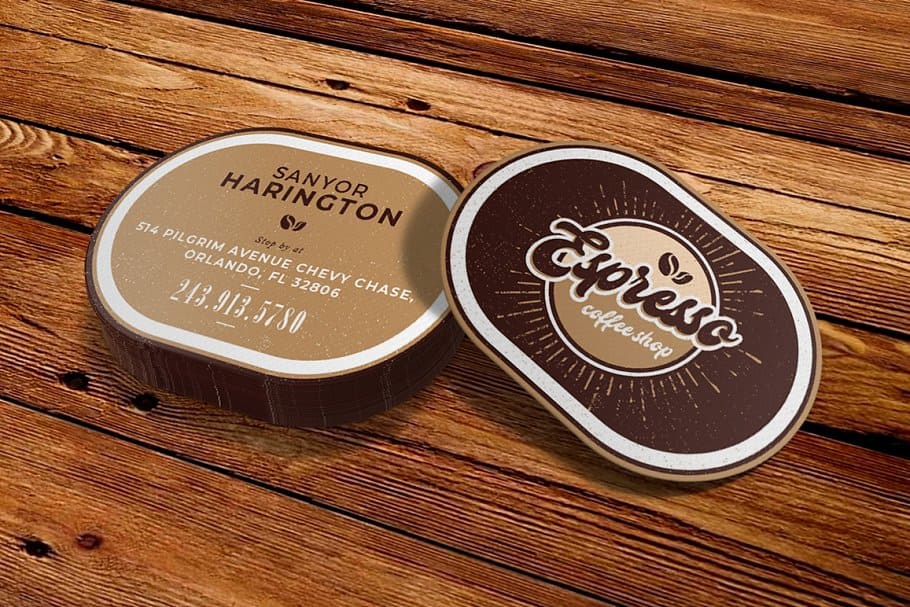
And if you're looking to really make a splash, don't feel boxed in by the standard rectangle. Exploring unique shapes can give your cards an incredible tactile appeal. You can learn more about how custom die cutting lets you create cards with one-of-a-kind outlines. Just keep in mind that even with wild custom shapes, the same core principles of bleed and safe areas are just as important.
Choosing Materials That Feel Premium

The feel of a trading card is just as important as its design. Seriously. When someone holds your card, its weight and texture instantly communicate quality, long before they even register the artwork. This is your chance to make your project feel like a true collectible, not just a piece of paper.
Your first big decision is the paper stock. This choice impacts everything from durability to how your colors will look, so getting it right is fundamental to making trading cards that last.
The Foundation: Your Cardstock
The industry standard for trading cards is a thick, sturdy cardstock, usually somewhere between 14pt (310 gsm) and 16pt (350 gsm). A 14pt stock is a fantastic starting point, offering a great mix of rigidity and affordability.
If you want something with more heft, stepping up to a 16pt stock gives the card a more substantial, premium feel and better resilience against bending.
Honestly, choosing the right substrate is where the whole process gets real. Industry data from sources like BCC Research's report on the trading card game market shows that about 80% of projects use a cardstock around the 300gsm mark for its excellent bend resistance. When you pair that with high-resolution printing, the results are incredible.
Adding Personality with Finishes and Coatings
Once you've picked your stock, the finish is what brings the design to life. This isn't just a protective layer; it defines the card's entire character and should match the vibe of your set.
Let’s look at some of the most common options and what they’re good for.
Comparing Trading Card Finishes
Your choice of finish dramatically alters the look and feel of your cards. Here’s a quick breakdown to help you decide which one aligns with your project's goals.
| Finish Type | Best For | Visual Effect | Cost Impact |
|---|---|---|---|
| High Gloss UV | Vibrant, dynamic artwork that needs to pop. | An extremely shiny, reflective look that saturates colors. | Low |
| Matte | Elegant, modern, or text-heavy designs. | A flat, no-glare finish for a more subtle and sophisticated look. | Low |
| Soft Touch | Creating a luxurious, high-end collectible feel. | A deep matte look that diffuses light beautifully. | Medium |
| Holographic | Rare "chase" cards or eye-catching special editions. | A rainbow-like metallic shimmer that shifts with the light. | High |
Each finish creates a completely different user experience. High Gloss UV is perfect for making bold colors leap off the card, while a Matte finish offers a more understated look that reduces glare. For a truly top-tier feel, exploring soft touch printing options gives cards a unique, velvety texture that people can't help but touch.
The finish you choose is your card's handshake. A slick gloss finish feels energetic and modern, while a soft touch matte finish feels exclusive and refined. Make sure it sends the right message.
Creating Rarity with Special Effects
To make certain cards feel truly special—the "chase" cards everyone wants to find—specialty finishes are your secret weapon. These effects add a dynamic element that immediately signals a card's rarity.
Here are a few ideas for your high-value cards:
- Holographic Foil: This adds a mesmerizing, rainbow-like shimmer to parts of your design, creating an effect that catches the light and everyone's attention.
- Spot UV: By applying a gloss coating to specific areas of a matte card, you create a stunning contrast in textures that highlights key details.
- 3D Lenticular: This process creates an illusion of depth or motion as the card is tilted, offering a wild and interactive experience that's hard to forget.
These advanced options are what elevate your cards from simple prints into coveted collectibles.
Navigating The Professional Printing Process
Alright, you’ve got your design files prepped and you know what kind of paper you want. Now for the fun part: actually bringing your trading cards to life. This is where your digital vision becomes something you can hold in your hand, and the first big decision is picking the right printing method.
You’re looking at two main players here: digital printing and offset printing. Each has its own strengths, and the best choice really boils down to the size of your project.
For smaller, more targeted runs, digital printing is your best friend. Think anywhere from a handful of prototypes to a few hundred cards. It's quick, flexible, and doesn't have the high setup costs of offset. This makes it perfect for testing out a new design or creating a limited edition set without a massive upfront investment.
On the other hand, offset printing is the heavyweight champion for large-scale production. This method involves creating custom metal plates for your artwork, delivering incredible color consistency and sharpness, especially over thousands and thousands of copies. The initial cost is higher, but the price-per-card drops significantly as your order quantity goes up, making it the most cost-effective option for a full market release.
Digital vs. Offset for Your First Run
So, how do you choose? It really comes down to your immediate needs and where you see this project going.
- Digital Printing: The perfect choice for quantities under 500-1,000. If you're launching a Kickstarter or testing the waters in a new market, digital keeps your initial costs manageable.
- Offset Printing: The go-to for print runs of 1,000 cards or more. If you're confident in your design and ready for a mass-market push, offset delivers that premium quality and unbeatable value at scale.
This decision directly impacts your budget and timeline. And with online marketplaces making distribution easier than ever, quality printing is your number one defense against counterfeits, which plague an estimated 20% of secondary sales. For smaller creators, a service like 4OVER4's instant pricing tool can quote 1,000 custom cards for under $0.50 each, and rewards programs can knock 10-15% off repeat orders. You can discover more about the growing trading card market on PR Newswire and see why getting the printing right is so critical.
The Proofing Stage: Your Final Checkpoint
Before you ever hit "approve" on a full production run, you absolutely must review a proof. This is your last chance to catch a typo, a weird color shift, or a graphic that’s slightly off-center. I've seen people skip this step, and it's easily one of the most expensive mistakes you can make in this business.
A proof is your insurance policy against disappointment. Once you approve it, you are taking final responsibility for how that printed card will look. Never, ever skip this step.
Most of the time, you’ll get a digital proof (usually a PDF) to check the layout and text. But for a small fee, you can almost always request a physical proof—a single printed copy of your actual card. I highly recommend this if color accuracy is crucial or if you're using special finishes like foil or spot UV. You can explore a huge range of custom trading card printing options to get a feel for what’s possible.
Working with a reliable partner like 4OVER4 is key here. Their quality guarantees and clear turnaround times give you peace of mind, ensuring your cards are produced correctly and land on your doorstep right on schedule, ready for your fans.
Common Questions About Making Trading Cards
Even the most buttoned-up plan hits a few snags. When you're figuring out how to make trading cards, questions always bubble up—especially around the nitty-gritty details that turn a good idea into a great collectible.
This is your go-to guide for those practical, "what-if" moments. Getting these details right is what separates a homemade project from a professional-grade card that people actually want to own.
What Is The Best Paper For Trading Cards?
You’ll want to stick with the industry standard, which is a thick, sturdy cardstock somewhere between 14pt (310 gsm) and 16pt (350 gsm). This weight has that rigid, substantial feel collectors know and love, and it’s built to withstand handling. Anything thinner just feels flimsy and cheap.
Look for a C2S (Coated 2 Sides) stock. The coating makes your colors pop and gives the card an extra layer of protection. As for the finish, a high-shine UV Gloss is a classic choice for its durability and eye-catching sheen, while a Matte finish gives off a more modern, almost soft-to-the-touch vibe. Ultimately, the right choice comes down to the look and feel you want for your set.
How Much Does It Cost To Print Custom Trading Cards?
This is the million-dollar question, isn't it? The cost really boils down to four things: how many you're printing, the paper you choose, any special finishes, and the printing method.
For smaller runs—usually under 500 cards—digital printing is your most wallet-friendly option. Once you get into the thousands, offset printing starts to offer a much better price per card, even though the setup costs are higher upfront.
Things like holographic foil, spot UV, or rounded corners will add to the price tag. Just to give you a rough idea, a basic run of 1,000 standard 14pt gloss cards might run you less than $0.50 per card. A small, tricked-out batch with all the bells and whistles could easily be several dollars apiece.
The absolute best way to know for sure is to use an online instant pricing tool. You can play around with different quantities, papers, and finishes to see exactly how each choice impacts your budget before you commit.
How Do I Create Rarity Levels In My Card Set?
Ah, the secret to building collectibility! Creating rarity is all about playing with production numbers and visual cues to make certain cards feel exclusive. It’s this engineered scarcity that gets collectors excited and drives that "thrill of the hunt."
Here’s a simple breakdown: you might print 5,000 copies of a "Common" card, but only 1,000 of an "Uncommon," and a mere 250 of a "Rare" one.
To make these tiers instantly recognizable, give them unique visual treatments. Maybe your "Ultra-Rare" card is the only one in the set with a holographic foil effect or a unique die-cut shape. That one-two punch of limited supply and special design is how you create a hit.
What Is The Difference Between CMYK And RGB?
Getting this right is non-negotiable for anyone printing anything, ever.
RGB (Red, Green, Blue) is the color model for screens. Your monitor, your phone, your TV—they all create color by adding light together.
CMYK (Cyan, Magenta, Yellow, Black) is the language of printers. It works by subtracting light as layers of ink are put onto paper.
Here's the critical part: all of your design files must be in CMYK color mode for printing. If you design in RGB, the colors on your final printed cards will almost certainly look muted, dull, or just plain wrong. The printer has to convert the colors, and the range of colors CMYK can physically produce is smaller than what a vibrant screen can display. Save yourself the headache and start your project in CMYK from the get-go.
Ready to turn your trading card idea into a reality? 4OVER4 has a massive selection of paper stocks, custom finishes, and easy-to-use online design tools to make it happen. Explore all the possibilities and get an instant quote for your project at https://4over4.com.
More from
14
Your car wash business cards aren't just little rectangles with your phone number on them. Think of them as a physical ha
Emma Davis
Feb 28, 2026
22
Let's get straight to it. The standard A7 envelope comes in at 5.25 x 7.25 inches, which translates to 133.35 x 1
Emma Davis
Feb 27, 2026
25
When you're trying to figure out the right door hanger size, the classic 4.25" x 11" is pretty
Emma Davis
Feb 25, 2026
18
When it comes to table tents, the industry workhorses are the 4" x 6" and 5" x 7" sizes.
Emma Davis
Feb 24, 2026
31
Figuring out whether to go with vinyl or screen printing really boils down to your project's size, the complexity of your design, and what
Emma Davis
Feb 23, 2026
15
Believe it or not, whipping up a professional-looking card in Microsoft Word is way easier than you might think. The whole process boils down
Emma Davis
Feb 21, 2026
25
Brand identity design is really about creating a complete visual language for your company. Think of it as the collection of all the tangible
Emma Davis
Feb 20, 2026
15
The best packaging for t shirts strikes that perfect balance between brand identity, product protection, and cost. Your optio
Emma Davis
Feb 26, 2026