




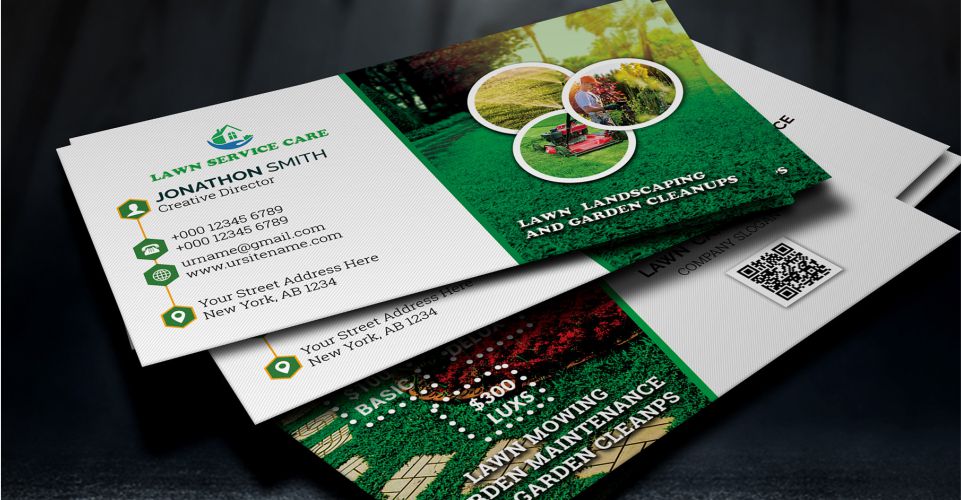
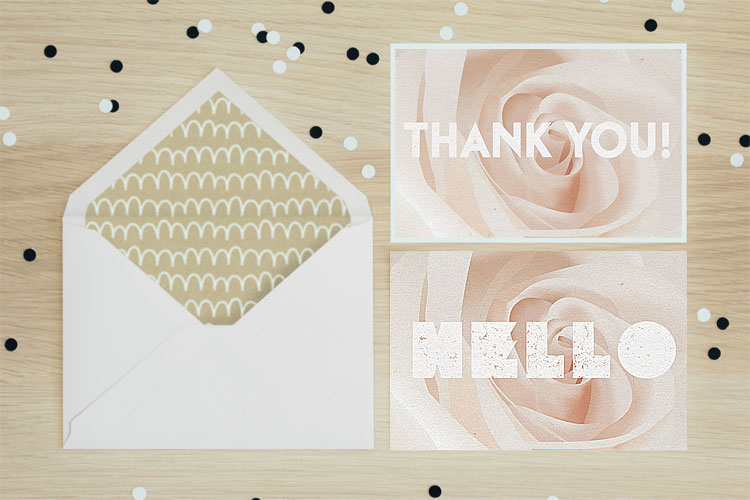
all

    The Difference Between Matte and Gloss Finishes for Printing

    user icon

    Emma Davis

    Content Writer

    Jan 14, 20265 views

    Jan 14, 20265 views

    The Difference Between Matte and Gloss Finishes for Printing

    When you’re deciding on a finish for your print project, it boils down to one core question: do you want understated elegance or a high-impact visual punch? The fundamental difference is simple: a matte finish offers a non-reflective, sophisticated feel that’s perfect for readability, while a gloss finish provides a high-shine, vibrant look that makes colors pop. Your choice hinges on the experience you want to create.

    Matte vs Gloss A Quick Comparison for Your Print Needs

    An illustrated comparison shows a matte feather on a gray background and a gloss colorful person with a bright light.

    Picking between matte and gloss isn't just about looks; it's a strategic move that shapes how your audience perceives your brand. One finish whispers modern sophistication, while the other shouts with energy and excitement. This decision influences everything from the tactile feel of a business card to the visual pop of a promotional flyer.

    Let's break down the core attributes. Matte finishes are all about their muted, non-reflective surface. They diffuse light instead of reflecting it, which cuts down on glare and makes text-heavy designs a breeze to read, no matter the lighting.

    On the flip side, gloss finishes have a highly reflective coating that cranks up color saturation and contrast. This creates a brilliant, eye-catching effect that’s perfect for photo-heavy designs and marketing materials that need to grab attention instantly.

    Key Differences at a Glance Matte vs Gloss Finish

    To make your choice easier, this table breaks down the essential characteristics of each finish. Use it as a quick reference to match your project's goals with the right visual and functional feel.

    Characteristic Matte Finish Gloss Finish
    Visual Appeal Understated, elegant, modern Vibrant, high-impact, sharp
    Surface Texture Smooth, velvety, non-reflective Slick, shiny, reflective
    Durability Hides fingerprints and smudges More prone to showing smudges
    Readability Excellent, minimal glare Can have glare under direct light
    Best For Text-heavy designs, writeable items Photo-heavy layouts, bold colors

    Think of this table as your starting point. The best finish depends entirely on the job at hand—a luxurious catalog might call for matte, while a concert poster would benefit from gloss.

    How Market Trends Influence Your Choice

    The debate between these two popular finishes is also playing out in the broader industry. In the high-grade printing papers market, currently valued at around $15 billion USD, matte papers actually hold the dominant market share. But gloss isn't going anywhere; it holds strong in specific niches, especially for commercial marketing materials that small businesses count on for brand impact.

    Matte is often the go-to for a premium, tactile experience, conveying a sense of quality and professionalism. It’s perfect for items that will be handled frequently, as it resists smudging.

    Ultimately, the best choice is the one that aligns with your brand's personality and what the printed piece needs to do. Here at 4OVER4, we provide a massive array of options to ensure your vision comes to life exactly as you imagined. You can explore our collection of fantastic finishes to see just how different coatings can elevate your projects.

    Understanding the Visual and Tactile Experience

    Illustration comparing matte and gloss surfaces, with a hand touching each, highlighting glare on the gloss.

    Choosing between a matte or gloss finish isn't just about looks—it’s about the entire sensory experience you create. The way a print feels in a customer’s hands and how it reacts to light directly shapes their perception of your brand. At its core, the difference between the two comes down to how each surface handles light.

    A matte finish is all about diffusing light. On a microscopic level, its surface isn't perfectly flat, which causes light rays to scatter in all directions. It's this scattering that kills the glare, giving you a soft, even appearance that’s incredibly easy on the eyes.

    Gloss, on the other hand, is built for reflection. Its surface is ultra-smooth and coated, acting like a tiny mirror that bounces light directly back. This is what gives glossy prints their signature shine and makes colors feel so deep and punchy.

    The Understated Sophistication of Matte

    The real magic of a matte finish lies in its subtle, tactile elegance. It has a smooth, almost velvety texture that just begs to be touched, and it won’t show off every single fingerprint. This quality makes it a perfect fit for items meant to be handled, like high-end business cards, catalogs, or menus.

    Functionally, its biggest strength is its non-reflective nature. Think about reading a brochure under bright office lights or out in the sun—a matte surface keeps the text perfectly legible without any distracting shine.

    • Visual Effect: Delivers a muted, modern, and sophisticated look.
    • Best Use Case: Text-heavy designs where readability is the top priority.
    • Brand Perception: Projects professionalism, authenticity, and refined quality.

    For an even more luxurious feel, there’s soft-touch, a specialized version that takes the tactile experience to another level. If you want a print that feels truly memorable, you can learn more about the unique appeal of our soft touch printing options. It adds a suede-like texture that feels completely distinct and high-end.

    A matte finish communicates confidence through subtlety. It doesn’t need to shout for attention with bright reflections; its quality is communicated through its refined look and feel, making it a powerful choice for luxury brands and professional services.

    This understated quality also lets your design and typography shine. Colors on matte paper appear softer and more natural, which is ideal for artistic prints or designs with an earthy, organic palette.

    The Dynamic Energy of Gloss

    A gloss finish is designed to make a visual impact. That slick, reflective coating makes colors pop with an intensity that matte just can't replicate. The smooth surface allows for maximum color saturation, so images look sharper and more vibrant.

    This makes gloss the undisputed champion for anything photo-heavy. Imagine a travel postcard with a breathtaking landscape or a product catalog where every item needs to look its absolute best. The shine adds a layer of energy that immediately grabs your attention.

    Of course, that reflectivity has its trade-offs. Under direct light, the glare can sometimes hide details or make text a bit harder to read. It's also a magnet for fingerprints and smudges, which is something to keep in mind for pieces that will be handled a lot.

    Comparing the Sensory Impact

    To really get a feel for the difference, let’s break down how each finish shapes the user experience in different situations.

    Sensory Aspect Matte Finish Gloss Finish
    Light Interaction Diffuses light, preventing glare Reflects light, creating shine
    Color Appearance Softer, more natural tones Saturated, vibrant, and bold colors
    Tactile Sensation Smooth, velvety, and natural Slick, smooth, and coated
    Handling Prints Resists fingerprints and smudges Easily shows smudges and prints

    Ultimately, your choice sends a message. Matte whispers quality and sophistication, while gloss shouts with vibrancy and energy.

    Choosing the Right Finish for Your Print Products

    Sketches illustrating recommended finishes (Matte or Gloss) for a business card, package, and postcard.

    Knowing the difference between matte and gloss is one thing, but applying that knowledge to your actual print materials is where your brand strategy really takes shape. The right finish can elevate a product's entire purpose, but the wrong one can be a functional disaster. I always tell clients to think about the job the product needs to do first, then pick the finish that helps it get done.

    This is far more than just an aesthetic choice. It's a strategic decision that shapes how customers interact with your brand and perceive its quality. Let's move from theory to practice and see how to pick the perfect finish for some of the most common print products we handle every day.

    Business Cards That Make an Impression

    Your business card is a handshake in paper form, so the finish you choose says a lot about you. When it comes to matte vs. gloss, the decision usually boils down to two things: writability and brand personality.

    A matte finish is the undisputed champion for networking events. Its smooth, non-reflective surface is perfect for jotting down a quick note or meeting time—a small detail that can make a huge difference. This finish gives off a vibe of modern professionalism and quiet confidence, making it a go-to for consultants, designers, and any brand that wants a sophisticated, high-end feel.

    On the other hand, a gloss finish is all about visual punch. It makes colors and logos practically jump off the card, creating an energetic and memorable first impression. This is a fantastic option for photographers, artists, and brands in vibrant industries where a bold look is essential. Just remember, its slick surface is almost impossible to write on, which can be a major functional drawback.

    When selecting finishes for business cards, it's important to consider how different options impact the tactile and visual experience, as well as their longevity.

    Postcards and Flyers That Capture Attention

    For direct mail like postcards and promotional flyers, the goal is to grab someone's attention in a split second. The best choice here really hinges on your design's core elements. Is it packed with text, or is it all about the imagery?

    • Gloss is often the winner for visual impact. Its high-shine surface makes photos look incredibly sharp and colors feel deeply saturated. A glossy postcard featuring a stunning travel destination or a vibrant product is far more likely to stand out in a stack of mail.

    • Matte works best for informational flyers. If your design is text-heavy, a matte finish guarantees maximum readability by cutting out any glare. It also lends a more premium, less "salesy" feel, which can be really effective for invitations, event announcements, or high-end service promotions.

    Whether you're sending out event invites or showcasing a new product, we have a huge range of business cards printing options that can be adapted for any promotional need, letting you pick the finish that perfectly suits your message.

    Packaging and Labels That Sell

    Packaging is your silent salesperson on a crowded shelf or during that crucial unboxing moment. The finish you choose can completely transform how a customer perceives the product inside.

    A matte finish on packaging instantly signals luxury and quality. Its smooth, velvety texture creates a premium unboxing experience and is often associated with organic, high-end, or minimalist brands. It feels sophisticated and has the practical benefit of not showing fingerprints.

    A gloss finish, in contrast, is built for the retail shelf. That reflective surface catches the light and draws the eye, making your product pop against the competition. It communicates energy and vibrancy, making it a great fit for food products, cosmetics, and electronics where a bold, clean look is key.

    Banners and Signage Built for Visibility

    When it comes to large-format printing like banners and posters, lighting is everything. The choice between matte and gloss here is almost purely about function.

    • Matte is the professional standard for indoor signage, especially for things like trade show backdrops or conference displays. The non-reflective surface guarantees your message is visible from every angle without being washed out by harsh overhead lighting or camera flashes.

    • Gloss can work for outdoor banners where you want colors to pop in natural daylight. However, its tendency to create glare can be a real problem, so you have to use it strategically where direct, harsh light won't be an issue.

    The global coated paper market, which is projected to hit USD 32.1 billion, reflects these trends. While gloss-coated papers have long dominated for high-shine applications, the real growth is now in matte-coated variants used in premium sectors—exactly what retailers and eCommerce brands need for their custom labels and packaging.

    To make things even clearer, here’s a quick-reference table to guide your next print project.

    Recommended Finishes for Common Print Materials

    This table breaks down my go-to recommendations for different marketing materials, along with the reasoning behind each choice.

    Print Product Recommended Finish Why It Works Best
    Business Cards Matte Perfect for writability and projecting a sophisticated, modern brand identity.
    Postcards Gloss Maximizes color vibrancy and visual impact for designs that are heavy on photos.
    Packaging Matte for luxury, Gloss for retail Matte delivers a premium unboxing experience; gloss grabs attention on crowded shelves.
    Indoor Banners Matte Eliminates distracting glare from indoor lighting, ensuring your message is always readable.

    Ultimately, the goal is to match the finish to the function. Thinking through how, where, and by whom your printed piece will be used is the key to making a choice that not only looks great but also works perfectly.

    Durability and Production: A Look Under the Hood

    Beyond just the look and feel, your choice between a matte and gloss finish goes right down to the microscopic level, dictating how the final piece holds up over time and how it behaves during production. Getting these technical details right is crucial. It's the difference between a menu that looks worn out after a week and one that stays crisp, or an art print that feels premium versus one that just feels… printed.

    It all starts with the paper's porosity. Matte paper is naturally more porous, so it drinks up the ink. This absorption is what gives matte prints their signature soft, subdued look—an effect that can lend a really sophisticated, organic quality to a design.

    Glossy paper, on the other hand, is coated with a smooth, non-porous layer. The ink sits right on top of this slick surface instead of sinking in. This is exactly why colors on gloss prints pop with such sharpness and vibrancy; light reflects directly off that top layer of ink.

    The Role of Lamination and Varnish

    To really dial in the durability and create some unique visual effects, we often add protective layers like lamination or varnish after printing. These aren't just for protection; they're powerful design tools that can either crank up a surface's natural look or create a really cool contrast.

    • Gloss Lamination on Matte Prints: This is a classic move to get the best of both worlds. You start with a sturdy, high-quality matte paper base, then add a high-shine gloss laminate. The result? A protected, moisture-resistant piece with colors that really sing.

    • Matte Lamination on Gloss Prints: While less common, this technique can be used to dial back the intense shine of a gloss print while keeping some of that color vibrancy. It creates a unique, muted effect with a smooth, protective feel.

    • Spot UV on Matte Surfaces: This is where things get really interesting. We apply a glossy, clear UV coating to specific parts of a matte print—like a logo or a headline. The contrast between the flat, non-reflective background and the shiny, slightly raised Spot UV is a total showstopper, creating a tactile experience that begs to be touched.

    Protective finishes do more than just guard against wear and tear; they are a strategic design tool. A simple layer of lamination can transform a standard print into a durable, premium product that feels substantial and reinforces brand quality.

    For any business looking to add that extra layer of resilience and professionalism, exploring different laminating options is a must. It’s a small step in production that can dramatically extend the life of anything that gets handled often.

    Durability Showdown: Fingerprints and Scratches

    How a print stands up to being handled is a huge deal, especially for things like business cards, brochures, and packaging. In this arena, matte and gloss finishes have very different strengths.

    A gloss finish is a magnet for fingerprints, smudges, and fine scratches. Its reflective surface highlights every single imperfection, which is why it’s not the best choice for dark-colored designs that people will be touching constantly. On the plus side, its slick coating is great at resisting moisture and can be wiped clean in a snap.

    A matte finish is the undisputed champion of hiding imperfections. The non-reflective surface diffuses light, making fingerprints and minor scuffs practically invisible. This makes it the go-to for any print product that will be passed around, shoved in a bag, or handled on the regular. And while standard matte paper can be vulnerable to moisture, adding a matte lamination gives it all the protection it needs without losing that elegant, understated look.

    Production Efficiency and Ink Behavior

    The finish you choose also has real-world consequences for printing efficiency. Because matte paper is so absorbent, ink dries on it much faster. This is a massive advantage in any print environment where quick turnarounds are the name of the game.

    In fact, matte papers are a huge part of the growth in inkjet printing, holding a 28% share, while glossy finishes have settled into their niche for photo-quality and high-impact prints. From a practical standpoint, the faster drying time of matte stock can cut down on digital print rejects by 10-15%—a major consideration for any time-sensitive job. This kind of efficiency makes matte a reliable and cost-effective workhorse for a massive range of projects, from simple flyers to intricate catalogs.

    Preparing Design Files for Matte and Gloss Printing

    Moving a design from your screen to a printed piece involves more than just hitting "save." Your choice between a matte or gloss finish will fundamentally change how your design looks and feels, and prepping your files the right way is crucial for getting the result you want. Each finish interacts with ink and light differently, which means you need to make specific tweaks to your color, contrast, and layout.

    Proper file preparation is really about thinking ahead. A design that looks amazing on a glossy proof can fall flat and lifeless on a matte stock. On the flip side, a file set up for matte paper might look oversaturated and lose important details in the glare of a gloss finish. Nailing this from the start saves you from the headache and cost of a reprint.

    Optimizing Files for a Matte Finish

    Matte paper is naturally porous, which means it soaks up a bit of ink. This tends to soften colors and can slightly dial down the contrast. To get ahead of this, your design files need a little extra oomph to keep them from looking washed out.

    The key is to boost the contrast and saturation in your images, but don't go overboard. A small bump of about 5-10% is usually all it takes to make sure your design stays vibrant without looking artificial. This little adjustment helps colors pop and stay defined instead of looking dull.

    Here's a pro tip for matte prints: pay close attention to your blacks. A standard 100% K (black) can sometimes print as more of a dark gray. For a true, deep black that really anchors your design, use a rich black formula like C=60, M=40, Y=40, K=100.

    Fine-Tuning Designs for a Gloss Finish

    Glossy finishes are born to make colors pop, but that reflective surface comes with its own set of challenges. The high shine can create a serious glare, which is a big problem for designs with large, dark-colored areas. Those dark patches can act like little mirrors, completely hiding important text or details.

    When you're designing for gloss, it's a good idea to avoid overly dark or busy backgrounds, especially where reflections could interfere with your main message. If you’re using photos, make sure they are high-resolution and sharp; the gloss finish will highlight every single detail, for better or for worse. Any blurriness or pixelation will be much more obvious. For those looking to personalize their prints, understanding techniques like Variable Data Printing (VDP) can also be a huge help when getting your files ready for either finish.

    Here are a few quick tips for prepping gloss files:

    • Check Your Blacks: Just like with matte, use a rich black formula. This will give you the deepest, most impactful black possible and prevent it from looking thin.
    • Mind the Glare: Try to place important text and logos away from large, dark sections where reflections are most likely to cause trouble.
    • Use High-Resolution Images: This is non-negotiable. Always use images that are at least 300 DPI to guarantee they look crisp and professional.

    If you want to create an even more striking effect, think about using gloss selectively. Techniques like Spot UV let you apply a high-gloss finish to specific parts of a design on a matte surface, creating an incredible visual and tactile contrast. You can see how this works and get inspired by exploring our Spot UV printed products, which can truly take any design to the next level.

    Making the Final Decision for Your Brand

    So, how do you make the final call? The choice between matte and gloss isn't just about what looks good—it's a strategic move that needs to sync up with your brand's core message. It’s about communication. To get it right, you need to filter your decision through three critical lenses: your brand identity, your target audience, and the specific job your printed piece needs to do.

    Think of it like this: your brand has a voice, and the finish is its tone. Is your brand minimalist, eco-conscious, or all about understated luxury? Then you'll almost certainly lean toward the tactile, subtle feel of a matte finish. On the flip side, if you're a high-energy tech startup or a vibrant retail brand that needs to project excitement and boldness, the high-impact shine of gloss is your perfect match.

    Aligning Finish with Audience and Use Case

    Next up, picture who will be holding this piece and what you want them to do with it. A corporate client receiving a business proposal expects a certain level of sophistication, making a smudge-resistant matte finish the clear professional choice. But a consumer grabbing a promotional flyer from a counter? You need to captivate them instantly, and that's where gloss has the edge for grabbing attention in a split second.

    The final piece of the puzzle is the specific use case. An informational brochure packed with text has to be easy to read, which makes matte the hands-down winner. A photo-heavy postcard designed to sell a tropical vacation needs that color to pop, something only a gloss finish can truly deliver.

    Your print finish is the final word in your brand's printed statement. Matte whispers sophistication and quality, while gloss shouts with energy and confidence. The right choice ensures that the final word resonates perfectly with your intended message.

    This decision-tree flowchart can help you visualize the process, walking you from file prep to the ideal finish based on what your project needs to achieve.

    Flowchart detailing the selection process for different print finishes: Enhanced Matte, Matte, or Gloss.

    As you can see, the path splits depending on whether your design is all about texture and readability (hello, matte) or visual punch and sharpness (gloss is your guy).

    By carefully thinking through these three pillars—Brand Identity, Target Audience, and Use Case—you move beyond simple preference and make a truly strategic choice. This ensures your final product not only looks incredible but also works perfectly to reinforce your brand’s message and nail your marketing goals.

    Frequently Asked Questions

    When you're weighing the pros and cons of matte vs. gloss, a few practical questions always seem to pop up. Let's tackle some of the most common ones to help you lock in your decision with confidence.

    Is a Matte or Gloss Finish More Expensive?

    For most standard print jobs, the cost difference between a matte and gloss finish is pretty much negligible—if there’s any difference at all. What really moves the needle on your final price are things like paper weight, how many you’re ordering, and any special add-ons like a protective lamination or a fancy spot UV coating.

    Honestly, opting for a thicker paper stock or adding a laminate will have a much bigger impact on your budget than the base finish. The best way to see the real-time difference for your project is to jump on an instant online pricing tool and compare directly.

    Can I Write on a Gloss Finish?

    Trying to write on a high-gloss finish with a regular pen is a recipe for frustration. The surface is slick and non-porous, meaning the ink has nowhere to go. It just sits on top, leading to immediate smudging and smearing.

    If your piece is meant to be written on—think appointment cards, feedback forms, or notepads—a matte or uncoated finish is the only practical choice. It gives pens the grip they need, ensuring your customers can jot down notes smoothly without any fuss.

    Choosing a matte finish for any interactive print material isn't just an aesthetic choice; it's a crucial functional one. It guarantees the piece is actually usable, which is every bit as important as how it looks.

    Which Finish Is Better for Photos?

    This one really comes down to the vibe you're going for. There’s no single "better" option, just the right choice for your specific creative vision.

    • Glossy finishes make colors pop with incredible vibrancy and sharpness. This is your go-to for commercial photography, product catalogs, or any image that needs to jump off the page with high contrast and deep saturation.
    • Matte finishes offer a more subdued, artistic feel with zero glare. It’s often the preferred choice for fine art prints, portraits, and gallery-style displays where annoying reflections would just get in the way of the viewing experience.

    Does One Finish Last Longer Than the Other?

    Both finishes are plenty durable, but they have different superpowers. A gloss finish, particularly one with a UV coating, is a champion against moisture and can be wiped clean in a second. Its kryptonite, however, is that it shows off every single fingerprint and tiny scratch.

    On the other hand, a matte finish is fantastic at hiding smudges and scuffs. This makes it a much smarter choice for items that will be handled a lot, like restaurant menus, brochures, or book covers.


    At 4OVER4, we give you the options you need to get every single detail just right. Take a look at our full range of printing services to find the perfect match for your brand. Start your project on 4over4.com.

    More from difference between matte and gloss

    What Is Lenticular Printing A Guide to 3D and Motion Effects
    story
    What Is Lenticular Printing A Guide to 3D and Motion Effects

    25

    Ever held a postcard where a cat actually winks at you? Or a movie poster where the hero seems to leap right off the page? That’s the magic

    author avatarEmma Davis

    Jan 13, 2026

    A Complete Guide to Business Cards Spot UV Printing
    story
    A Complete Guide to Business Cards Spot UV Printing

    40

    Imagine you have two photographs side-by-side. One is a standard matte print, and the other has a selective, high-gloss finish on just the mos

    author avatarEmma Davis

    Jan 12, 2026

    Finding the Ideal Size of a Poster in Pixels
    story
    Finding the Ideal Size of a Poster in Pixels

    121

    If you're designing a standard 18x24 inch poster, you’ll want a file that’s 5400 x 7200 pixels to ge

    author avatarEmma Davis

    Jan 11, 2026

    Create Outlines in Illustrator A Guide to Flawless Print-Ready Files
    story
    Create Outlines in Illustrator A Guide to Flawless Print-Ready Files

    252

    When you hear a designer talk about "creating outlines in Illustrator," they're referring to one of two things: converting live

    author avatarEmma Davis

    Jan 10, 2026

    The Difference Between Matte and Glossy Print Finishes
    story
    The Difference Between Matte and Glossy Print Finishes

    51

    The real difference between matte and glossy boils down to a single element: light. How does the paper's surface interact

    author avatarEmma Davis

    Jan 9, 2026

    Screen Print Vs Vinyl A Guide to the Best Printing Method
    story
    Screen Print Vs Vinyl A Guide to the Best Printing Method

    45

    When you're trying to decide between screen printing and vinyl, the choice really boils down to two things: volume and design. If you'

    author avatarEmma Davis

    Jan 8, 2026

    How to Print Business Cards That Actually Get Noticed
    story
    How to Print Business Cards That Actually Get Noticed

    65

    Printing a business card might seem straightforward, but a handful of small details are what separate a truly memorable card from one that get

    author avatarEmma Davis

    Jan 7, 2026

    Finding the Best Font for Flyers to Elevate Your Design
    story
    Finding the Best Font for Flyers to Elevate Your Design

    88

    When you need to make an impact fast, your font choice is everything. For flyers, you can't go wrong with timeless, readable options like

    author avatarEmma Davis

    Jan 6, 2026

    Home
    Products
    Favorites
    Cart
    Account